
University of Twente
-
 Researchers have produced an experimental lithium-ion cell with a novel electrode design featuring an "open and regular" crystal structure they say allows for charging at 10 times the speed of today's devices.
 -
 To maximize the exposure of wind turbines, blades are placed atop tall towers on the crests of hills or miles off shore. But a new study has shown how turbines behind hills could actually produce higher amounts of energy than those out in the open.
 -
 It's an unfortunate fact of life that as people get older, their sense of balance diminishes. This means that seniors have a higher than average risk of falling when cycling. They may be less likely to do so, however, if the senior-specific Sofie e-bike reaches production.
 -
 Tanker trucks are often equipped with baffles or bulkheads that divide the tank into multiple compartments. That way, when the truck stops, its liquid load won't all go sloshing forward in one big wave. Dr. Erik Eenkhoorn believes that's not enough, however … which is why he created the Cairbag.
 -
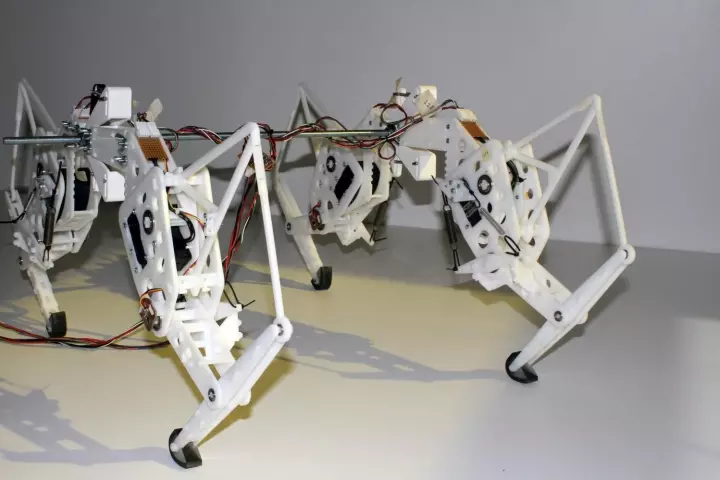 Doctoral candidate Geert Folkertsma has spent four years developing a scale robotic cheetah that is not only capable of replicating many of the real animal's movements, but in doing so uses only 15 percent more energy than the real thing.
 -
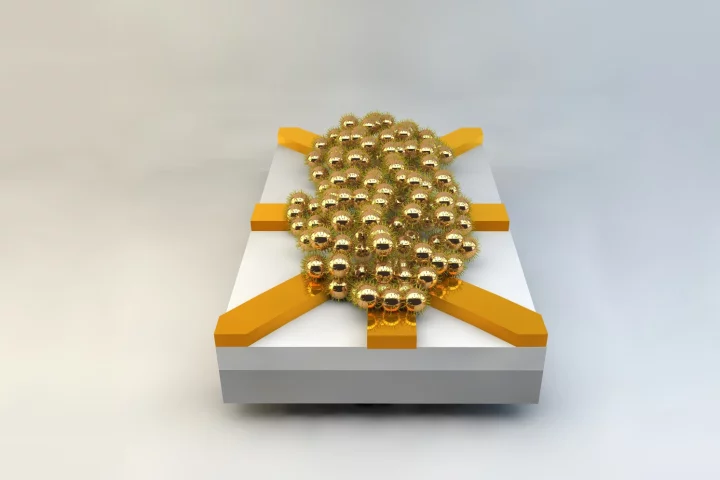 A new chip design could lead to massively parallel, energy efficient computation that handles complex tasks like pattern recognition better and faster than ever before.
 -
 Salt water is highly-corrosive, which is why crews of inspectors regularly have to go inside ships' ballast tanks to check for damage. Thanks to the German/Dutch RoboShip project, however, autonomous robots may soon be performing the task.
 -
 A researcher at the University of Twente in the Netherlands has developed a new optical memory disc out of tungsten and silicon nitride that he says could store data safely for extremely long periods of time – up to a billion years.
 -
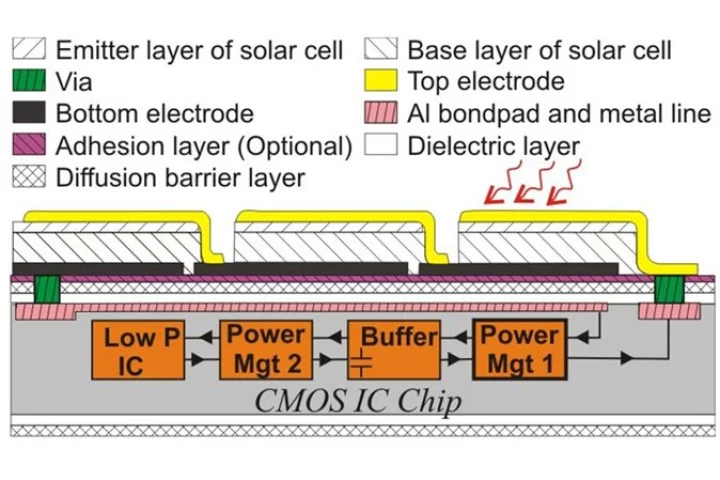 In a new, more efficient approach to solar powered microelectronics, researchers have produced a microchip which directly integrates photovoltaic cells.
 -
 A newly-developed microchip allows for antenna arrays that could replace satellite dishes.
 -
 The Micronium microscopic instrument has just made its public debut performance at a conference on micromechanics in the Netherlands
 -
 August 9, 2007 Anyone who has used a wireless mouse will know that although they don't use much power, it's enough to drain a battery quite regularly and it a