When you have a new ICBM, you need a place to keep it, so Northrop Grumman is building a prototype silo for the US Air Force to house its next-generation LGM-35A Sentinel nuclear missile that will replace the Cold War Minuteman III.
The US nuclear deterrent strategy is based on three pillars: a bomber force, a submarine missile force, and a land-based missile force. Putting aside the interservice squabbling over who controls what, the rationale is that having three distinct ways of launching nuclear weapons makes it highly unlikely that an enemy could prevent a massive retaliatory strike by launching a surprise nuclear attack against the US.
Since 1970, the land-based deterrent has consisted mainly of a fleet of 550 LGM-30 Minuteman III missiles, of which 400 – each carrying a single warhead – remain on active service in 450 silos spread across Wyoming, North Dakota, and Montana. However, they're all getting a bit long in the tooth, to the point where reliability and maintenance are becoming serious issues.

The current plan is to replace the Minuteman with the new Northrop Grumman Sentinel missile, which is a three-stage solid-fuel rocket standing 60-ft (18-m) high, with a liquid-fueled bus for precision targeting of the 475-kiloton-yield warhead. The current plan is to build 400 of the missiles for deployment, plus 234 more missiles for spare parts and flight testing.
However, this raises the question of where to put the Sentinels. The original plan was to reuse the current Minuteman III silos, but it turns out that most of them are almost as old as me, so they were probably built using deer antler picks and shovels made out of elk shoulder bones.
These old silos are all custom-made using poured-in-place reinforced concrete. Their electronics rely on analog systems with hard-wired connections, meaning any upgrades require major structural changes. Communications are based on copper cabling and voice-grade phone lines, the HVAC systems leave the installations prone to damp, and the layouts are generally cramped, making repairs difficult.
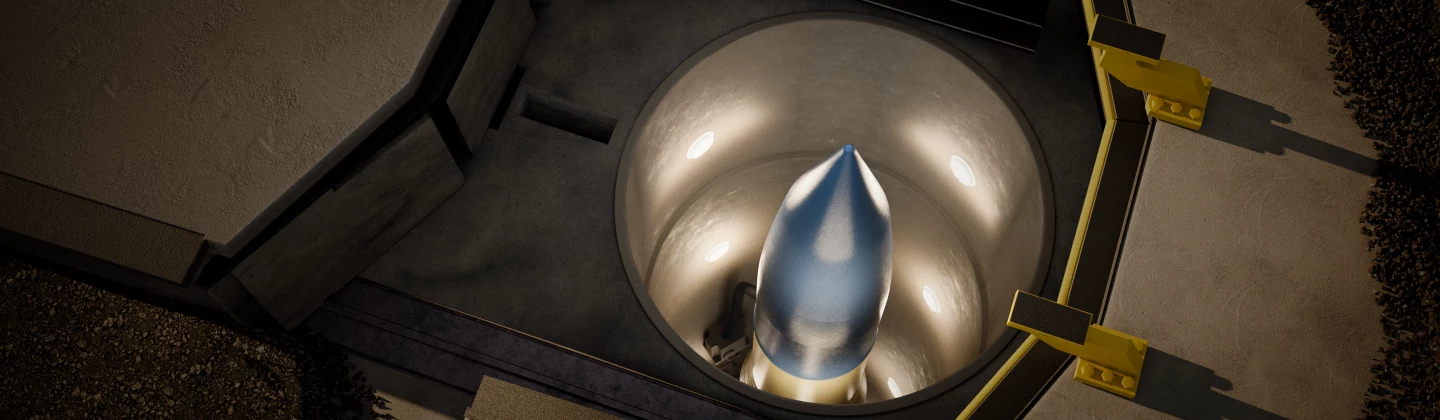
That would be bad enough, but many of the silos are also deteriorating, and the Sentinel is larger than the Minuteman, making it a bit of a tight fit.
What this all boils down to is that upgrading the old silos would have been more of a pain than building new ones, so Northrop Grumman and Bechtel were contracted to come up with a prototype replacement, for which the Air Force broke ground on March 27, 2026 in Promontory, Utah.
Unlike the previous silos, the new Sentinel silo is standardized, modular, faster to construct, and easy to upgrade. Key to this is the silo itself, which foregoes poured concrete in favor of factory-made, pre-cast, interchangeable concrete sections that are shipped to the site and assembled. It's a bit like a giant road tunnel I saw under construction in Seattle a few years ago, which had a machine that inserted interlocking concrete sections as the tunnel pushed along.
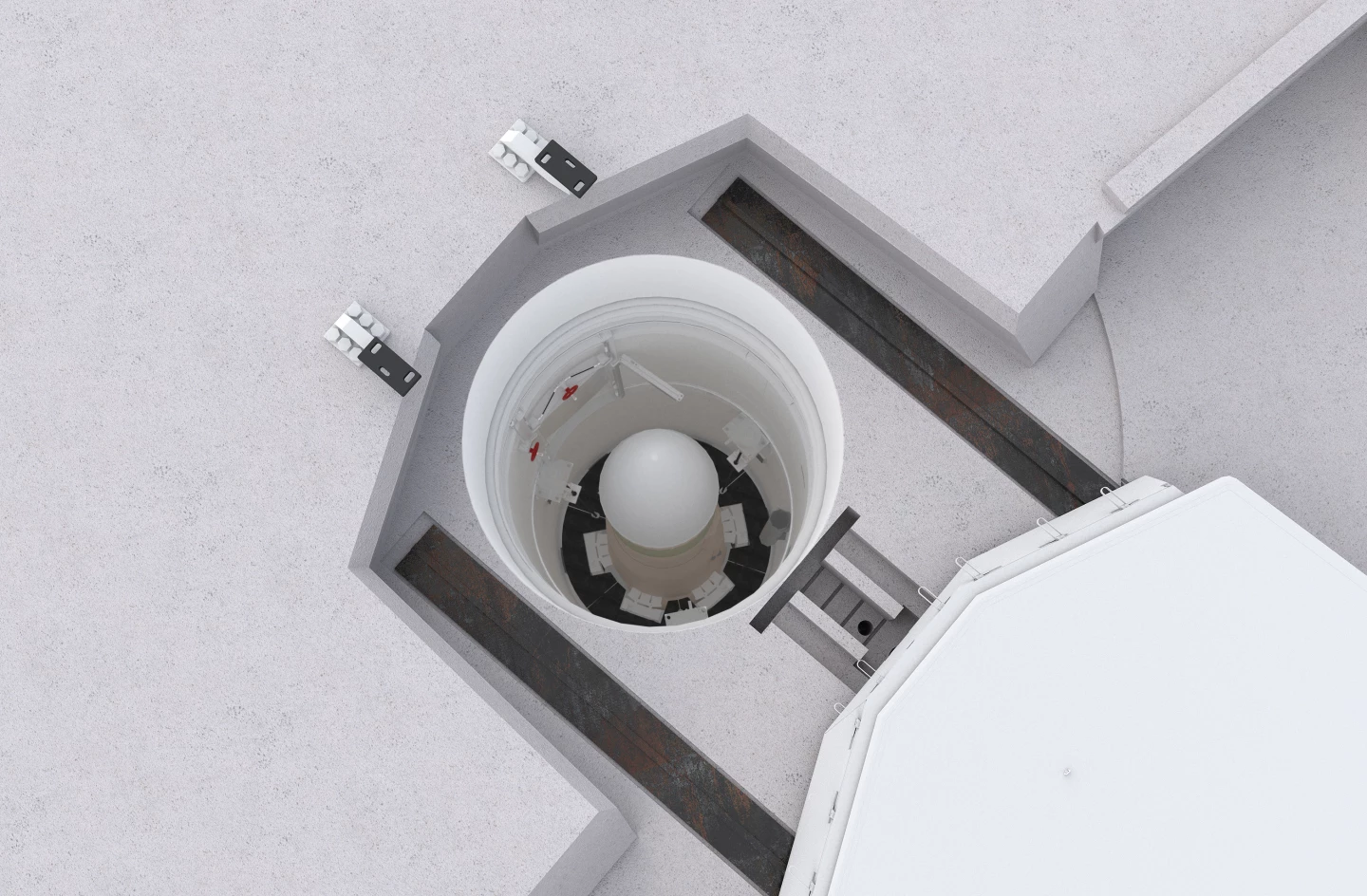
This same modularity is found throughout the installation, allowing for speedier repairs and easier modification. The electronics are now software defined, with a digital backbone to support modular electronics. The communications are handled by a hardened fiber-optic network with high-bandwidth links, the environmental control system reflects half a century of improvements, and the general layout is much more ergonomic, allowing quicker access to equipment.
In addition to all this, the silo uses plug-and-play mechanical and electrical systems and the whole design is a physical version of its digital twin that lets the engineers track every component from manufacture to installation, making for precise configuration management for all the silos.
According to the Air Force, the 450 new silos will be built on the same land as the existing ones. As with the Minuteman III, the difference between the number of missiles and silos has to do with arms treaty terms and test flight requirements. By replacing rather than refurbishing, the full complement of missiles can remain on alert. The Sentinel is reported to have completed firing tests of all stages and flight tests are scheduled for 2027, followed by initial operational capability by the early 2030s.
No word has been given on what the redundant silos will be used for, but there is a precedent of selling such installations to the public, so if you want a vacation home with a 100-tonne skylight cover and seven-tonne front door, you might want to keep an eye on the property listings.
Source: US Air Force