
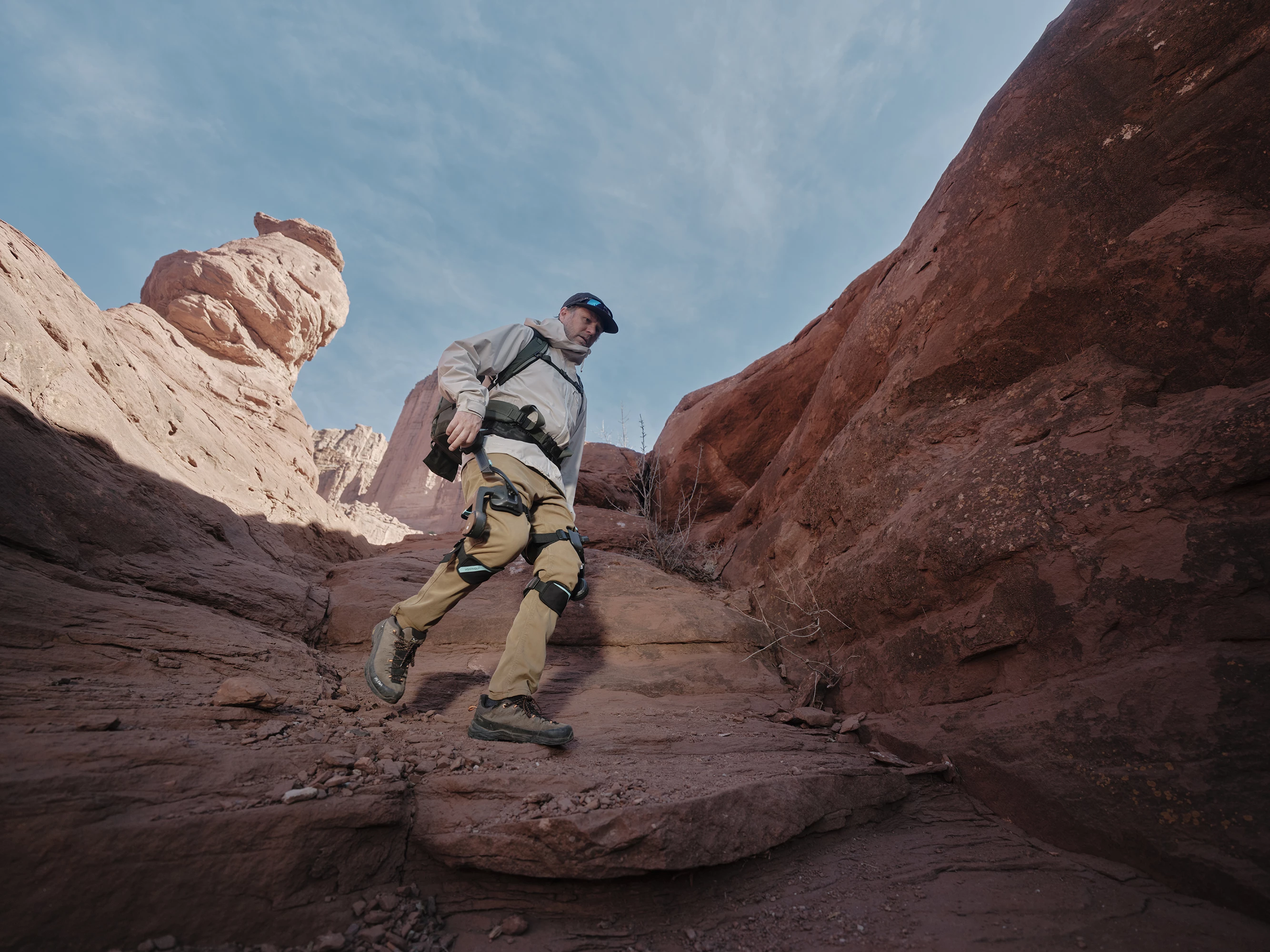


For years, wearable technology has mostly observed how we move. Fitness trackers count steps, watches monitor heart rate, and apps log activity after the fact. But a new wave of wearable robotics is aiming to go further – not just tracking movement, but actively supporting it.
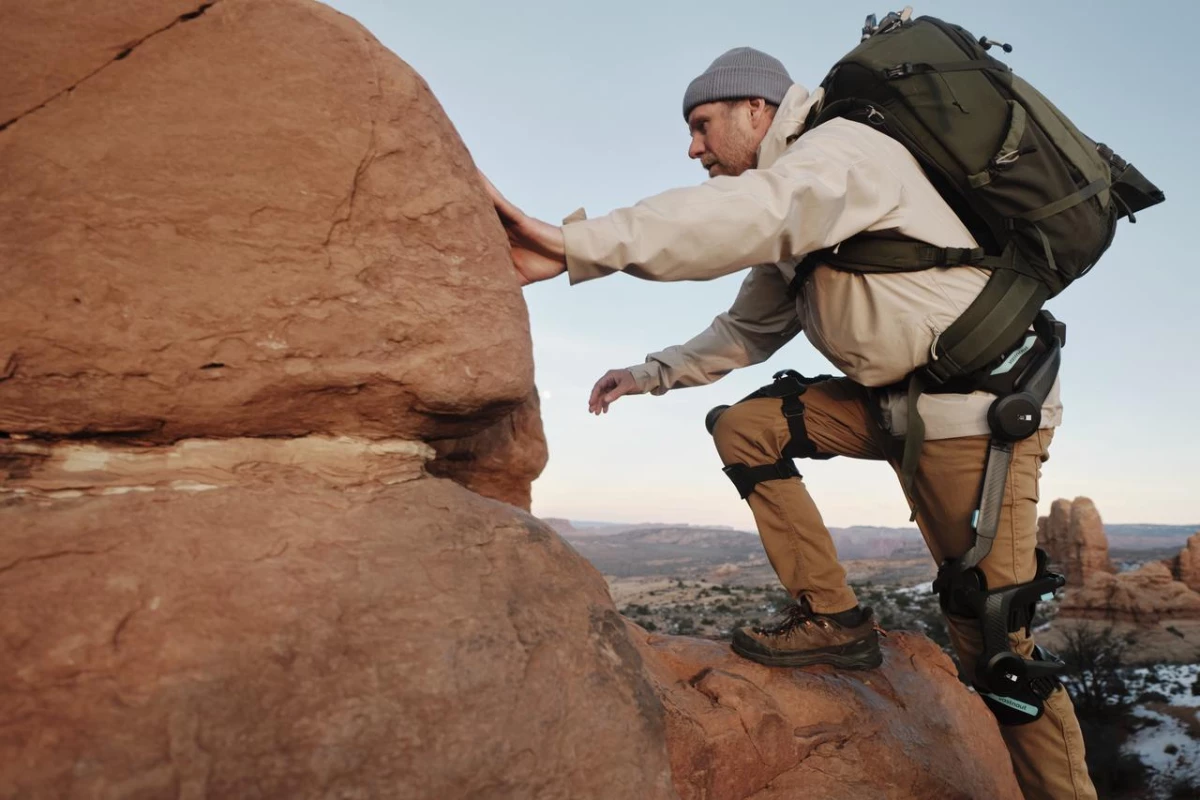
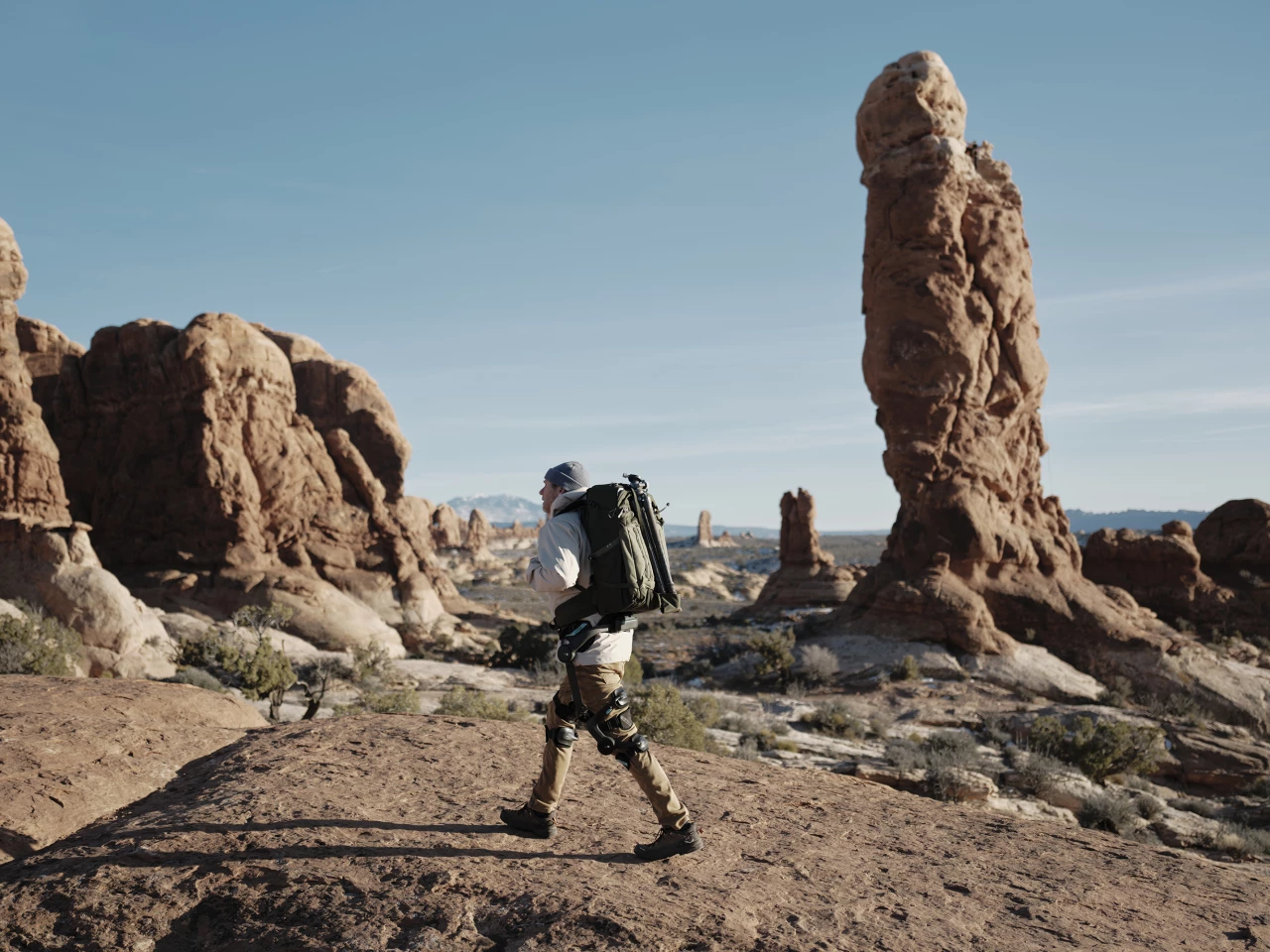
The Vastnaut One is part of that shift. As the world’s first AI-powered 4×4 exoskeleton, it’s built to assist both the hips and knees at the same time, helping users move more efficiently across steep, uneven terrain.
Instead of feeling like an external machine, the system is designed to work with the body – adjusting in real time as the ground changes, the slope steepens, or fatigue sets in.
Designed for the moments that matter on the trail
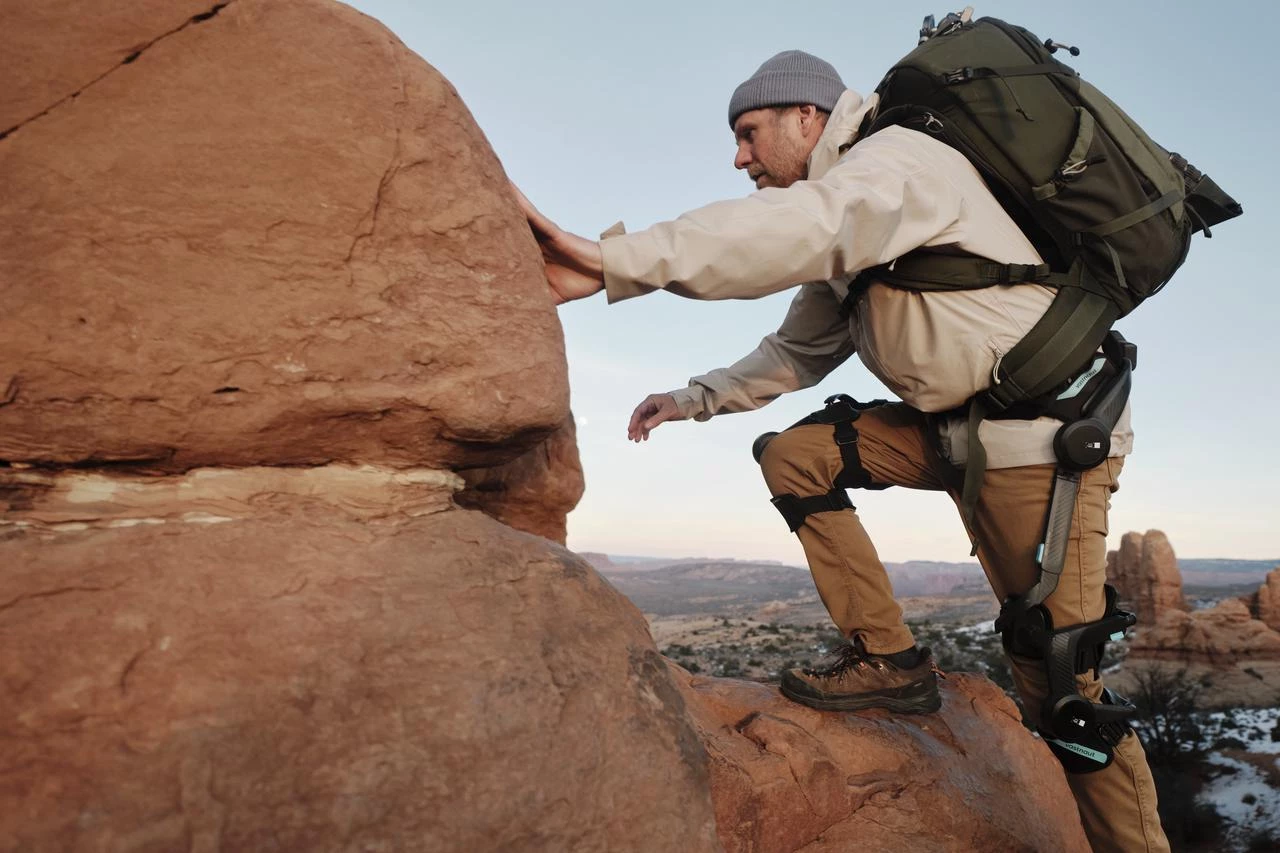
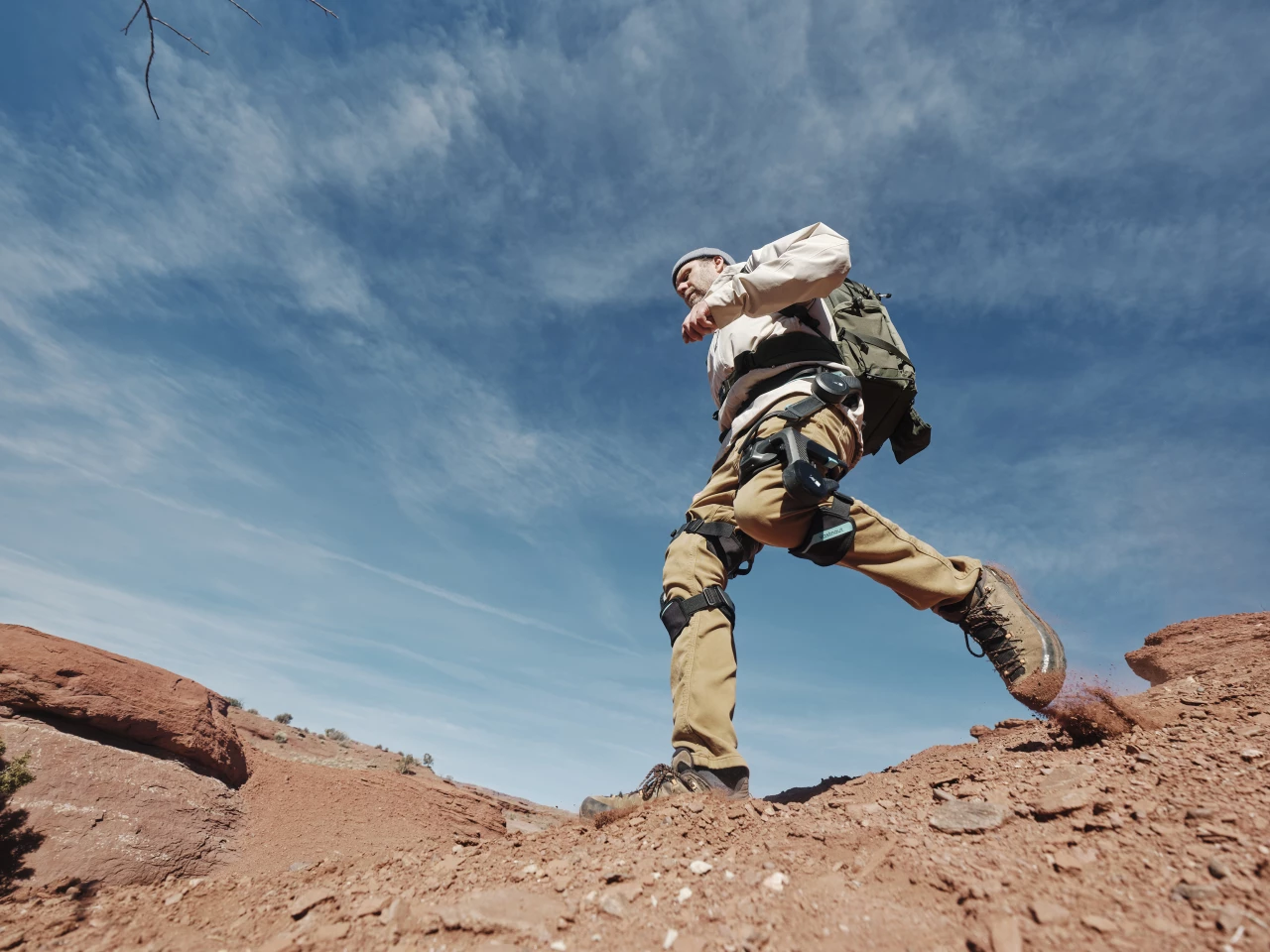
Imagine a long uphill climb with a full pack. Legs start to burn, breathing gets heavier, and every step requires more effort than the last. Or the descent that follows, where tired muscles and unstable footing put strain on the knees.
These are the moments Vastnaut One is built for.
By supporting both hips and knees together, the system helps smooth out effort across each step, whether climbing, descending or moving across uneven ground. Instead of pushing from a single point, assistance is distributed through the stride, making movement feel more stable and controlled.
This coordinated support is powered by a four-motor system and Vastnaut’s ATD™ (Adaptive Torque Distribution) technology, which shifts assistance between joints depending on how you’re moving and what the terrain demands.
A clearer idea of what it actually does
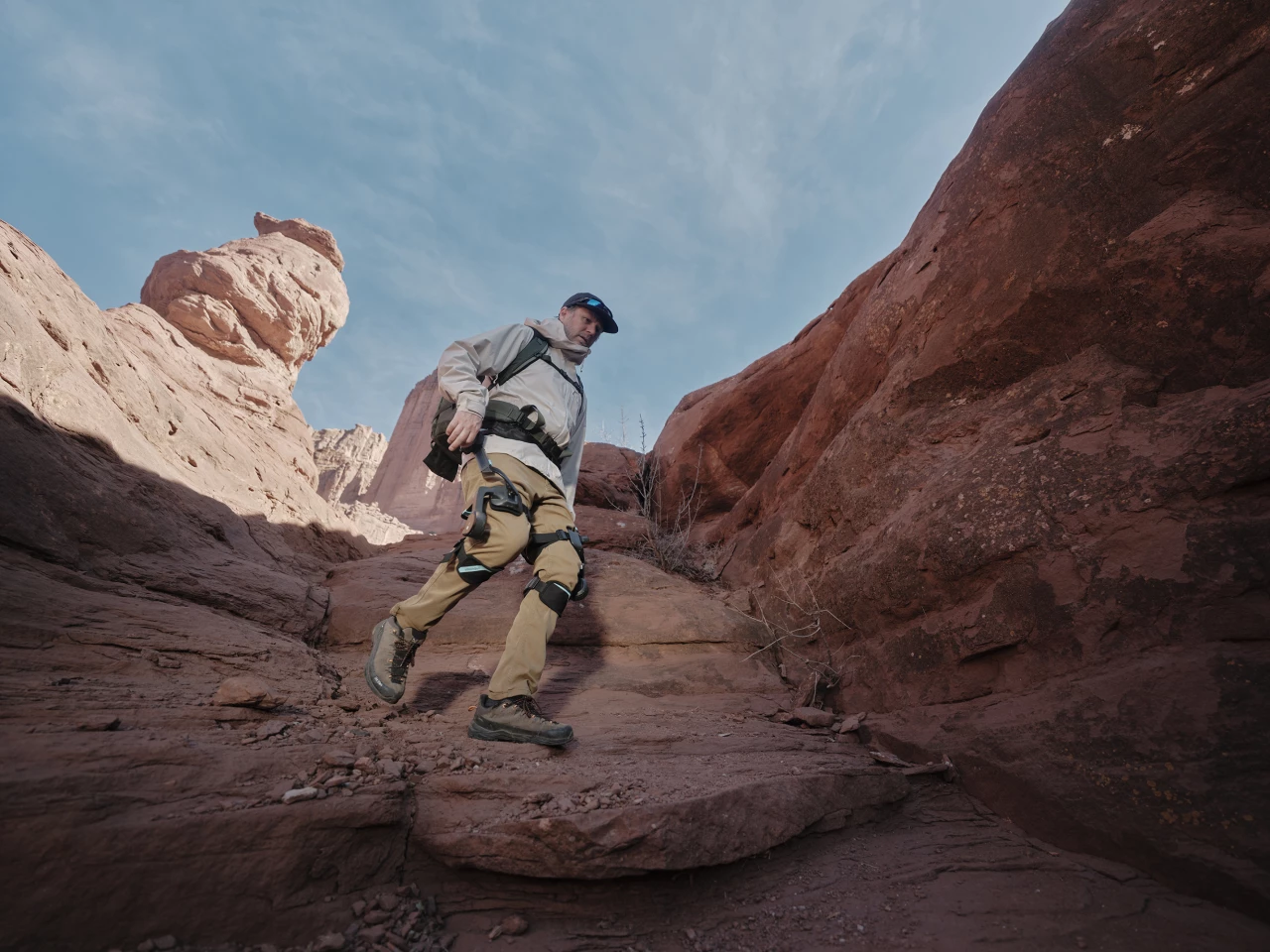
At its core, Vastnaut One is about extending how far and how comfortably a person can go outdoors.
It helps reduce the physical cost of movement – making steep climbs less exhausting, descents easier on the knees, and heavy packs feel lighter over long distances. The result isn’t just added power, but improved endurance, stability and confidence across an entire journey.
For hikers, photographers and explorers, that could mean covering more ground, carrying more gear, or simply finishing a long day with less strain on the body.
Making climbs less demanding
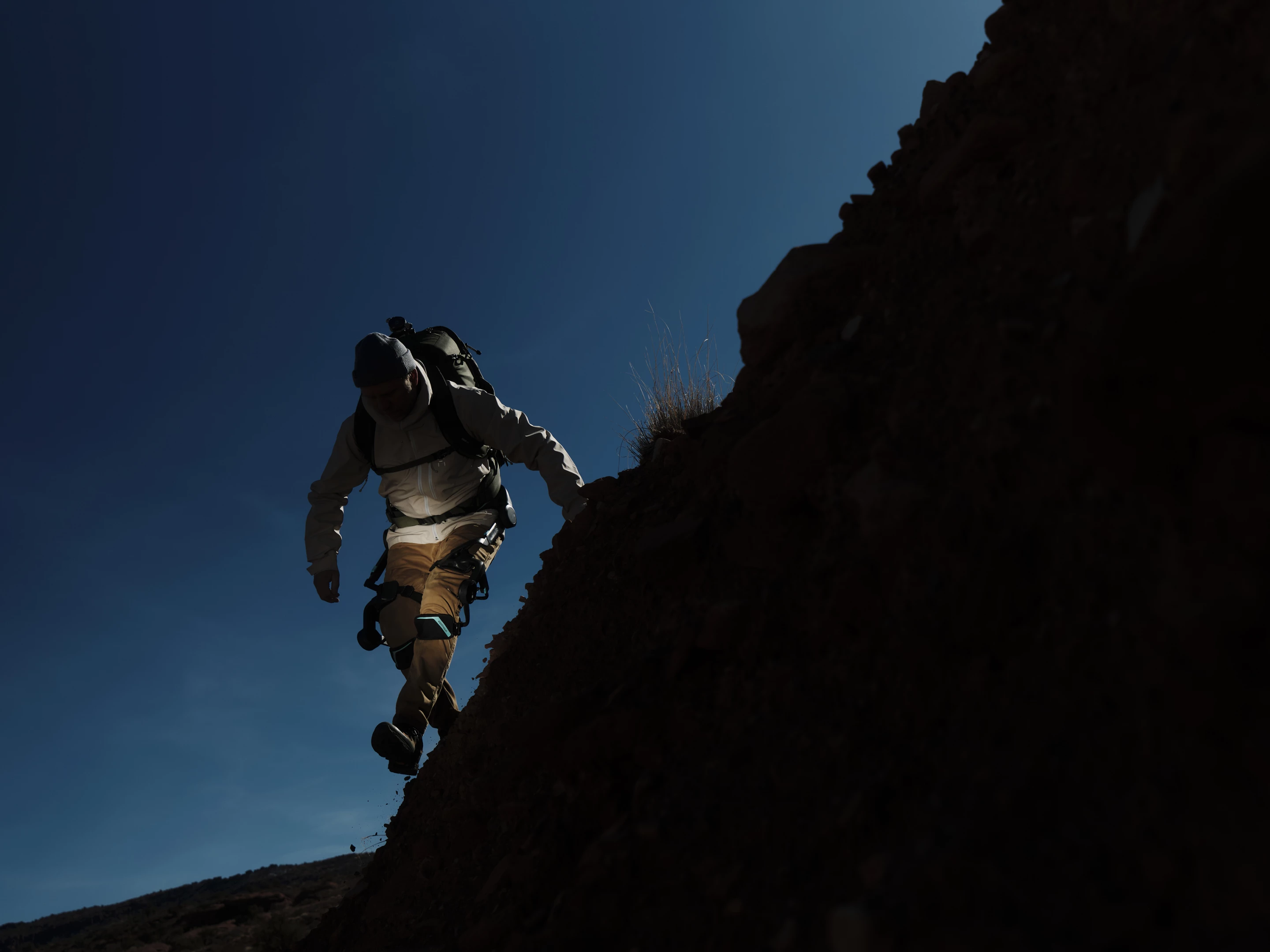
Uphill sections are often where fatigue builds fastest. Vastnaut One assists these climbs by distributing force through both the hips and knees, helping propel the body upward more efficiently.
According to the company, this can reduce uphill effort by around 30%, lower overall exertion by roughly 32%, and decrease heart rate during climbs by up to 34%.
Rather than feeling like a sudden push, the assistance is designed to blend into each step, supporting the natural rhythm of walking.
Taking pressure off the knees
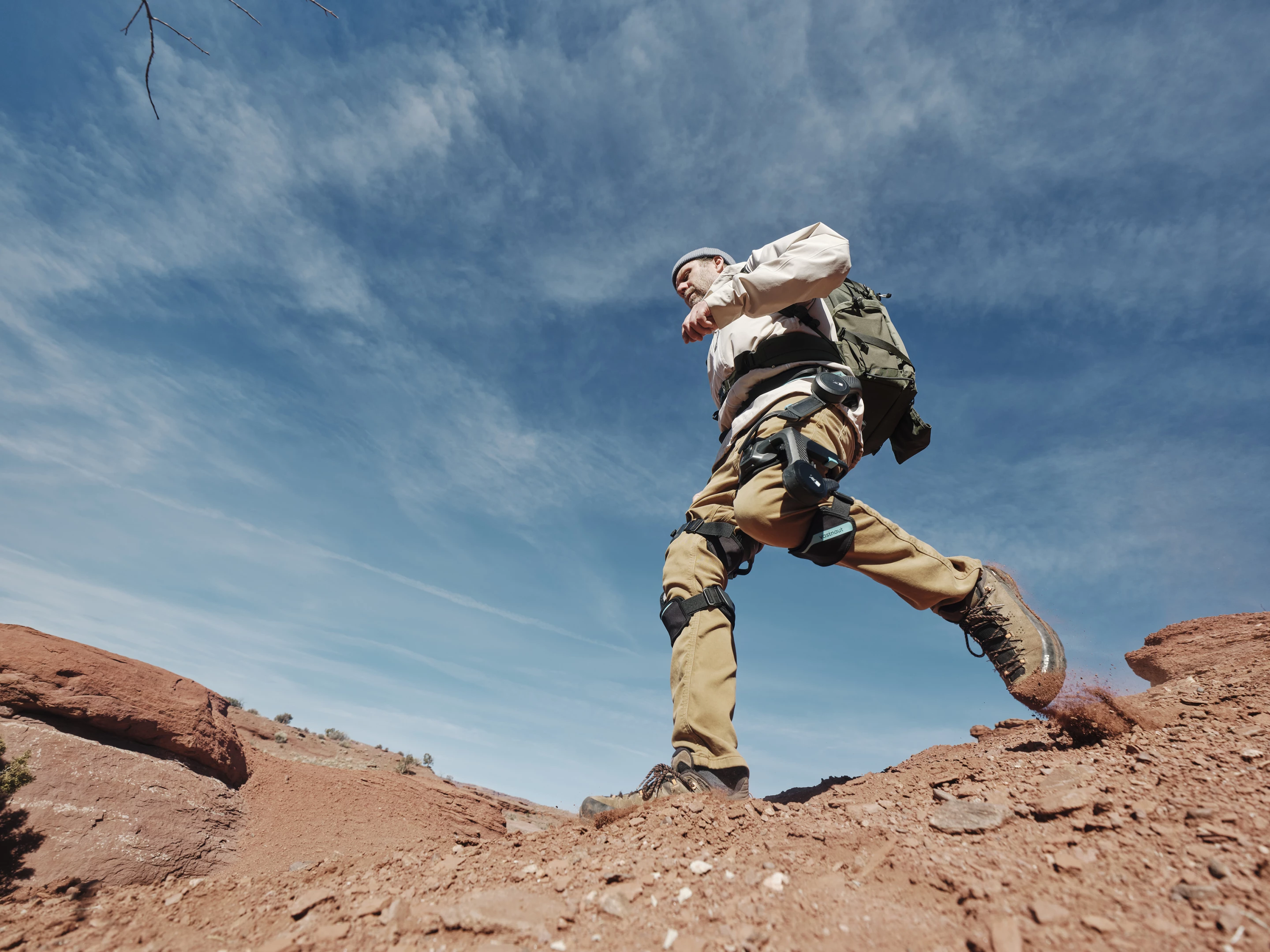
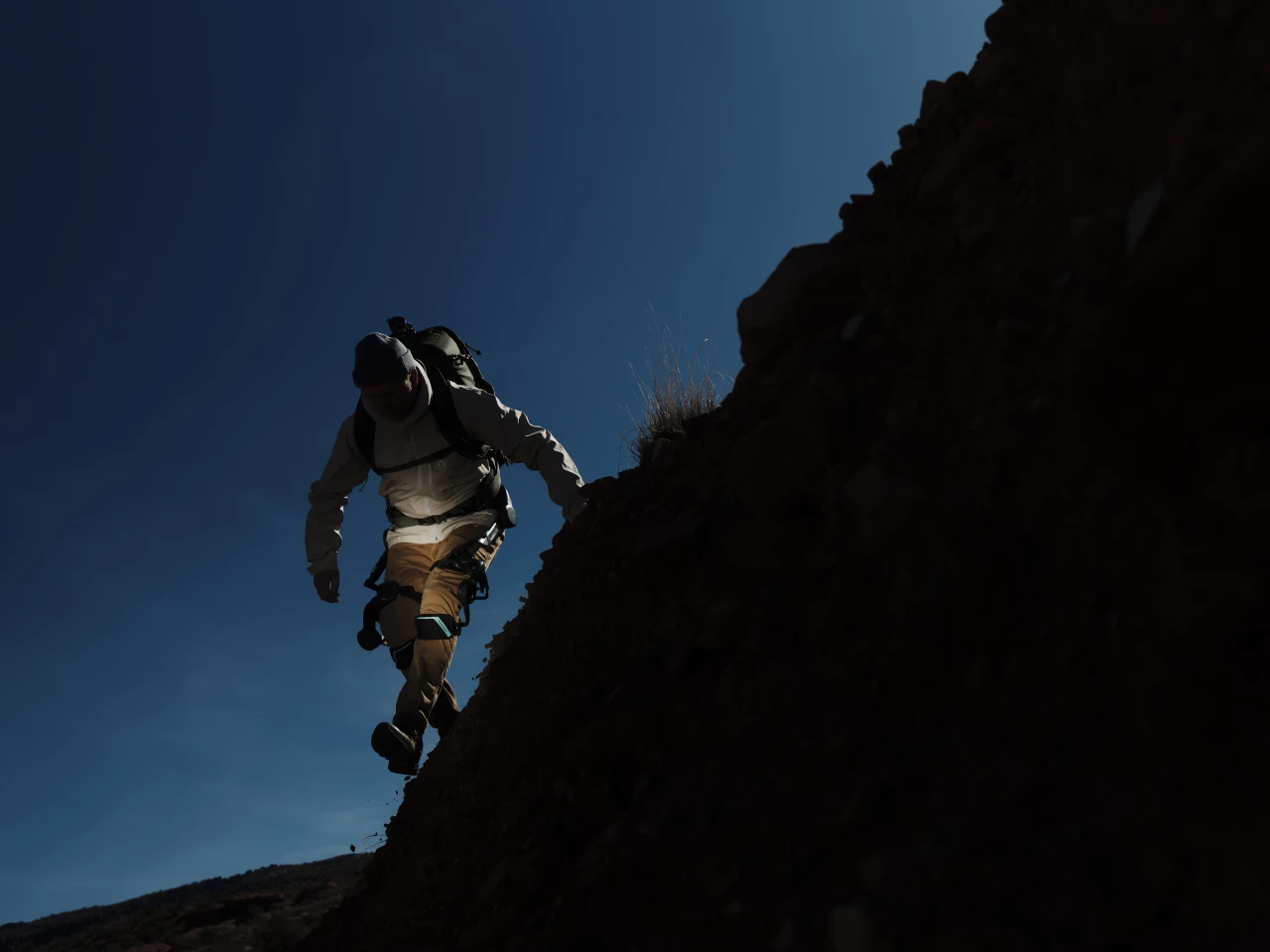
Downhill movement brings a different kind of challenge, especially on loose or uneven terrain.
Vastnaut One includes motors positioned at the knees that help absorb impact as the foot lands, reducing the stress that typically builds up over long descents. The company says this can cut impact forces on the knees by up to 35%, while easing joint stress equivalent to around 200% of body weight.
For anyone who has finished a hike with sore or unstable knees, that kind of support could make a noticeable difference over time.
Carrying weight without the same strain
Many outdoor activities involve carrying significant loads, from camera equipment to camping gear.
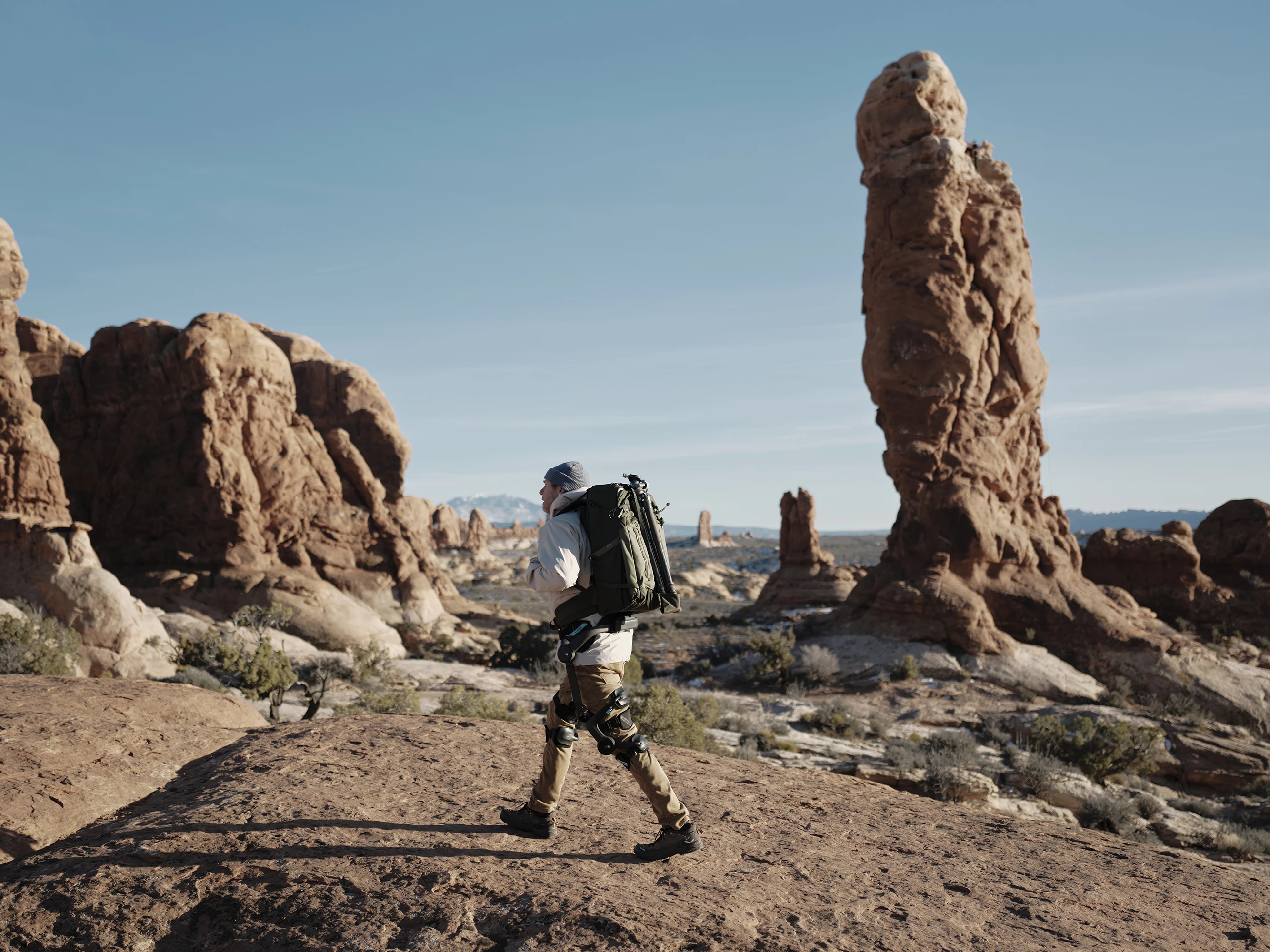
Vastnaut One is designed to work alongside that equipment rather than interfere with it. Its battery can be positioned to avoid clashing with backpack frames, allowing users to move naturally while carrying larger loads.
Combined with the lower-body assistance, the system can provide an effective load reduction of up to 18 kg (40 lb), helping users maintain energy over longer distances.

AI that adapts as you move
Vastnaut uses an innovative end-to-end algorithm, VastSynergy™ AI Engine to continuously adjust assistance based on how the user moves.
Rather than relying on fixed modes, it analyzes movement patterns, body data such as height and weight, and real-time motion to determine how much support to provide and where. The aim is to make the assistance feel intuitive – something that responds to the user rather than needing to be managed.
Built for long days outdoors
For something designed to be worn on long hikes, comfort and practicality matter just as much as performance.
Vastnaut One uses a carbon-fiber-heavy construction to keep weight down while maintaining durability, along with IP54 protection against dust and water. The battery supports up to four hours of use across mixed terrain, with additional batteries available for longer trips.
The wearable design itself is kept simple and functional. It’s built to fit naturally around the body, work alongside backpacks, and stay comfortable over extended periods without getting in the way of movement.
A paired smart app provides detailed controls and feedback, including energy use and the ability to choose from a variety of motions depending on activity, such as Care, Fitness and Sprint.
A step toward more capable wearable robotics
Vastnaut is a wearable robotics company founded by engineers with expertise in robotics, biomechanics, and control systems. It is guided by the belief that technology should extend human capability in practical, meaningful ways. The company develops intuitive wearable robotics that build synergy between humans and the world, inspiring people to explore with amplified strength, confidence, and freedom. Vastnaut One, the company’s first product, is an AI-powered 4×4 exoskeleton built for tough terrain. Its 4×4 (4-joint × 4-motor) structure delivers powerful assistance and comprehensive multi-joint support across a variety of rugged landscapes.
Vastnaut’s prelaunch campaign is now live. By placing a deposit on the official website, early supporters can unlock an exclusive discount along with limited-edition gifts. To secure the best offer and stay updated, please visit the Vastnaut website and follow its Instagram here.