
During Major League Baseball's (MLB) opening season in 2025, the New York Yankees hit a team-record nine home runs in a single game. Six of those homers came from players using a unique bowling-pin-shaped bat known as a torpedo bat.
The bat's design was first conceived by Aaron Leanhardt, who holds a Ph.D. in physics from MIT. The idea for a revamped bat came to him while working with the Yankee's minor-league hitting department.
Unlike traditional bats, the torpedo bat tapers at both the top and the bottom, forming a torpedo shape that also looks a bit like someone swinging a slim, upside down bowling pin when in use. The design increased the bat's "sweet spot," the area credited with transferring the most energy from the swing into the ball while also reducing the force of vibrations conveyed to the player's hands. Judging by that opening-season game, it certainly seemed like the torpedo bat stood to revolutionize gameplay, and within days of the nine-homer game all 30 teams in MLB had placed orders for them.
Yet a new first-ever study says that – at least according to physics – the bats don't really make any difference in terms of hitting a ball farther.
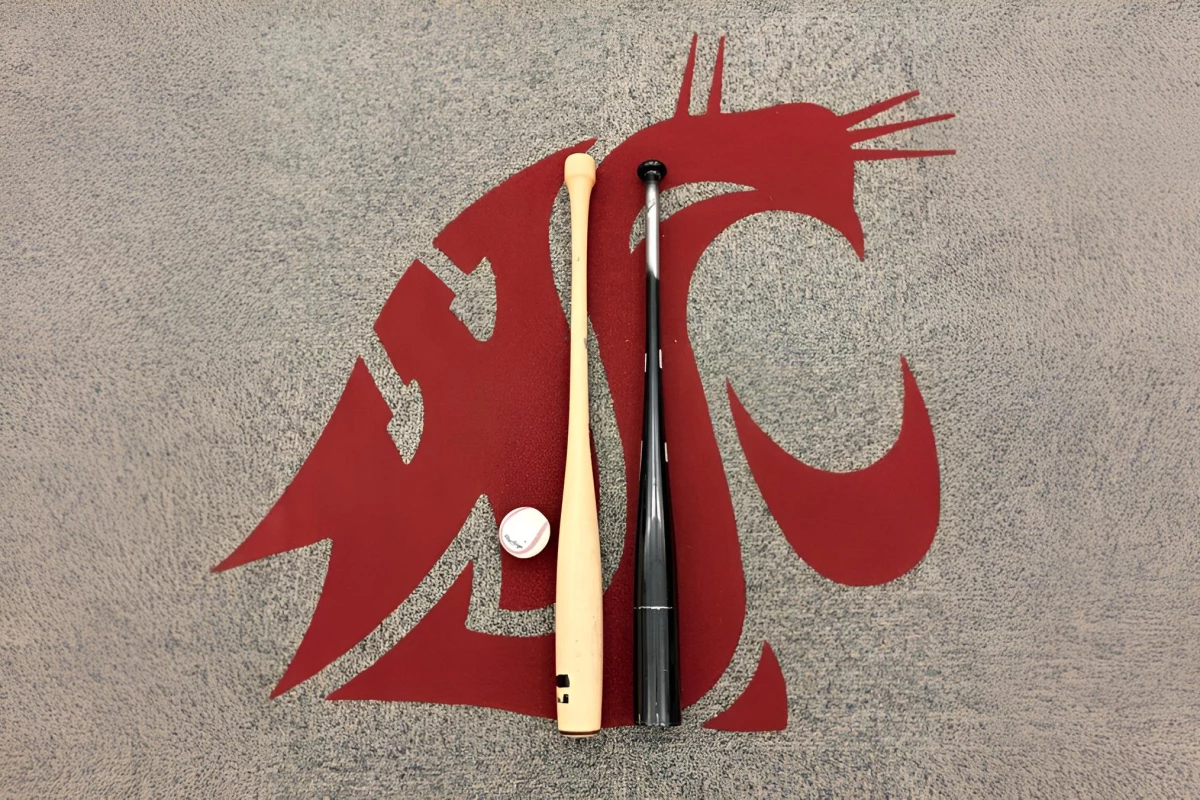
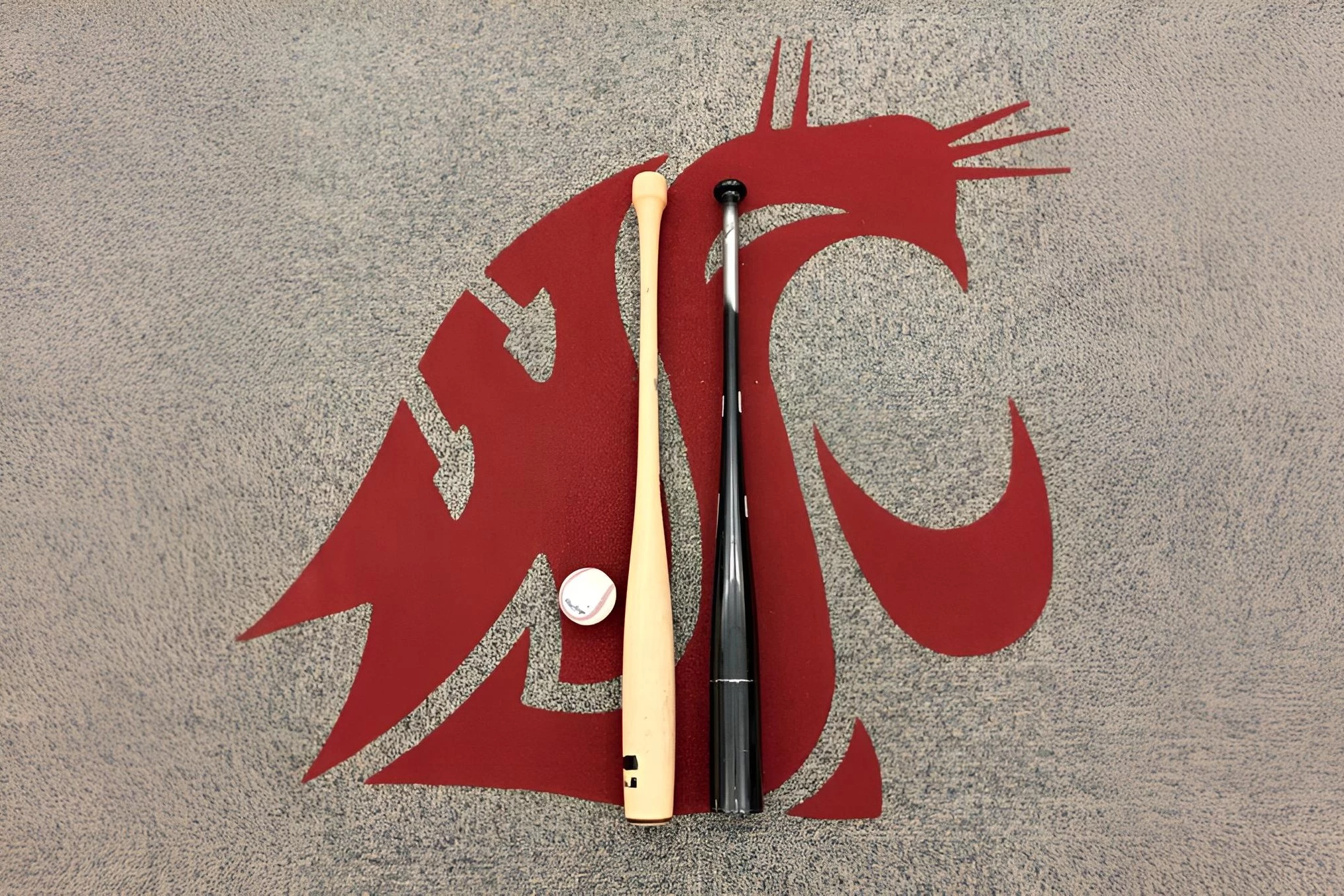
The researchers involved in the study come from Washington State University (WSU), the University of Illinois, and Penn State University. To find out if the bat really was better than the standard that's pretty much been unchanged for 150 years, the team created two bats from maple wood that mimic standard MLB bats as well as two torpedo-style bats.
All the bats had identical swing weights, meaning that they all feel the same weight when swung. For example, a bat with more weight near its tip would deliver more momentum through the hitting zone although it would feel heavier and harder to swing quickly, while one with more weight near the barrel would feel lighter to swing and give the hitter more control. Next, the researchers used light gates and cameras to monitor the incoming and outgoing speed of baseballs fired at the bats using an air cannon. You can get a better idea of the setup thanks to this brief WSU video.
The only difference that emerged in the testing is that the sweet spot for the torpedo bat was about a half-inch farther from the bat's tip than the standard bat. Aside from that, the bats performed nearly identically in terms of how much force was transferred to the incoming balls.
“It was actually pretty phenomenal how close they were,” said study co-author Lloyd Smith, the Sport Science Laboratory director at WSU.
That said, Smith also admits that the torpedo bat's shape and corresponding swing weight could be making the bat feel easier to swing, which could in turn improve batting average rather than acting as a power tool blasting home runs out of the park.
The team will present its study later this year at the International Sports Engineering Association conference.
Source: Washington State University