
3D bioprinting
-
 Scientists have created “acoustic holograms” that can assemble matter into 3D objects, using just sound. The technique works with various types of particles and even living cells, allowing for a new kind of 3D printing that’s fast and contact-free.
 -
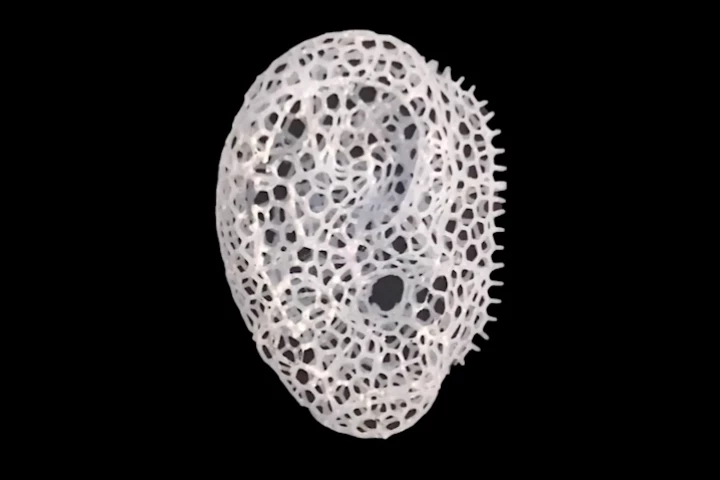 For some time now, we've been hearing about scaffolding-like implants that encourage bone tissue or cartilage to grow back into areas where it's missing. Now, scientists have developed a method for more quickly and easily 3D-printing such implants.
 -
 The University of Alberta has developed a new technique for 3D printing cartilage in custom shapes. This can be used to repair the noses of skin cancer patients, saving them the trouble of having cartilage samples taken from other parts of the body.
 -
 Although we may think of 3D-printed items as being hard, they're actually often made from soft gels, as is the case with bioprinted body parts. A new system now allows such objects to be printed at a much smaller scale than ever before.
 -
 Although we're hearing more about 3D-printed replacement body parts, those parts need to be implanted via large incisions. That may not always be the case, however, thanks to a new "bio-ink" that could allow parts to be printed within the body.
 -
 New technology promises to make the 3D-bioprinting process quicker and thus more practical than ever.
 -
 Space travel is conducive to injuries. Now researchers from Dresden Technical University (TUD) have developed a 3D bioprinting method for use in space, creating new skin and bone tissue out of resources that might be available to astronauts.
 -
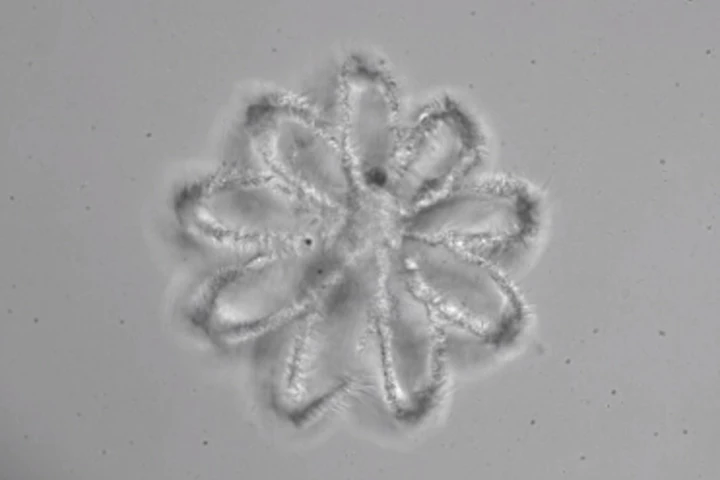 Prellis Biologics has brought the science fiction dream of printing human organs for transplant a step forward by developing a fast, high-resolution 3D printing technique that can produce living tissue that includes viable blood-carrying capillaries.
 -
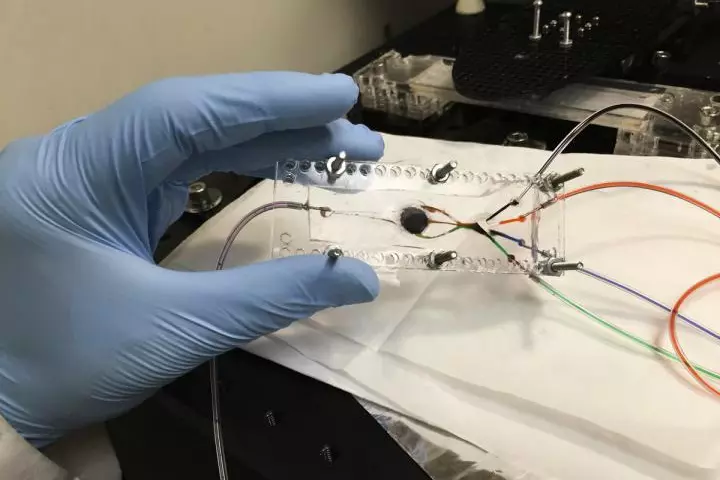 In a move that could one day lead to artificial transplant organs, a UCLA team has developed a new technique for printing complex bio-tissues using multiple materials. Using a specially modified 3D printer, it promises to one day create complex therapeutic biomaterials on demand.
 -
 As part of its ongoing effort to eschew animal testing, L'Oréal has teamed up with bioprinting company Organovo to develop 3D-printed skin tissue for testing of its products.
 -
 Had bioprinting been around in Vincent van Gogh's day, he would have had to do something more dramatic to express his inner torment than cutting off his ear – American startup BioBots has been demonstrating that he could have easily just 3D-printed a new one.