
Autonomy
-
 Truly flexible AI driving tech has taken a step forward this with the formation of an alliance of Uber, Wayve and Stellantis to move the technology forward. Who stands to gain most? And should Waymo be worried?
 -
 The British Ministry of Defence is investing £3.5 million (US$4.8 million) in the Dstl for the Co-operative Strike Weapons Technology Demonstrator program to develop new systems that will allow missiles in flight to communicate with one another.
 -
 China's closest Tesla Model 3 competitor, the XPeng P7, launched in April last year, loaded with enough self-driving sensors and computers to achieve autonomy once the software is ready. Today, an OTA update gives the P7 more than 40 new capabilities.
 -
 Spider-Man's "spidey-sense" isn't purely fiction – spiders have tiny, sensitive hairs on their legs that help them avoid predators or hunt prey. And now, engineers at Purdue University have developed similar sensors for autonomous cars or drones.
 -
 Sweden's Einride unveiled the first prototype T-pod truck in 2017. The transport company inked a partnership agreement in 2018 with global logistics company DB Schenker to test the T-pod, and now the autonomous electric truck has made its public roads debut.
 -
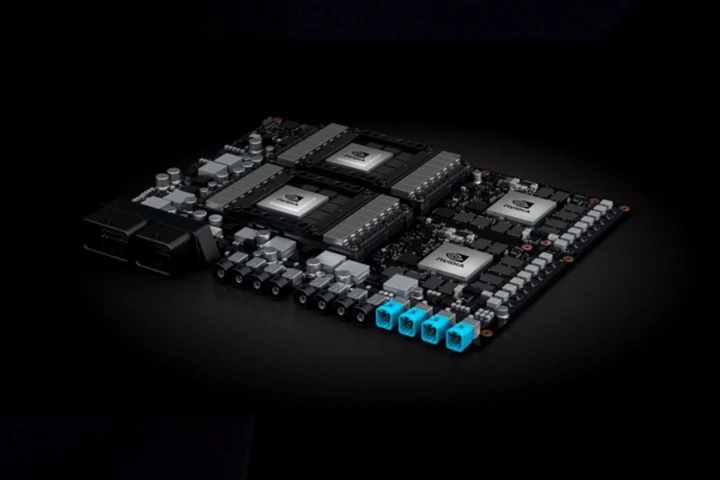 Nvidia has announced a new AI supercomputer with enough processing power for fully autonomous (Level 5) driving. The Drive PX Pegasus packs in four AI processors in total, yet only takes up a space the size of a licence plate.
 -
 It's not just the big marques and cities trying to make autonomous cars happen. Delphi and Mobileye have teamed up to bring a ready-to-run autonomous solution to market by 2019, with a demonstration set to take place at CES in Las Vegas next year.