

Psychedelics
Many currently or formerly controlled substances, such as MDMA, psilocybin, cannabis, ketamine, LSD and others, have shown immense promise as therapeutic treatments for a range of mental health disorders. Here's the latest research and findings in psychedelic and next-gen medicine.
Random related stories from our 25-year archives
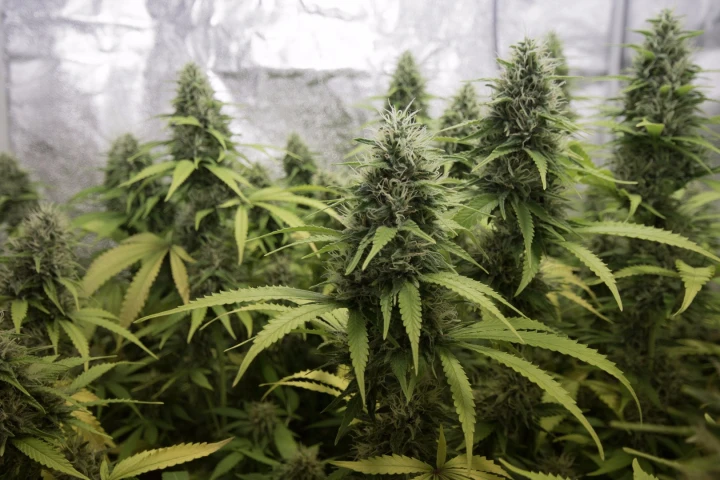
A new clinical trial has provided strong evidence that cannabidiol (CBD), a non-psychoactive compound found in the cannabis plant, significantly reduces the frequency of seizures in children with a rare form of epilepsy.

Results from a trial testing the effects of CBD oil on symptoms of pain and distress in cancer patients suggest the popular product may be no more effective than a placebo, adding to an inconclusive body of research on the effects of cannabis for pain.
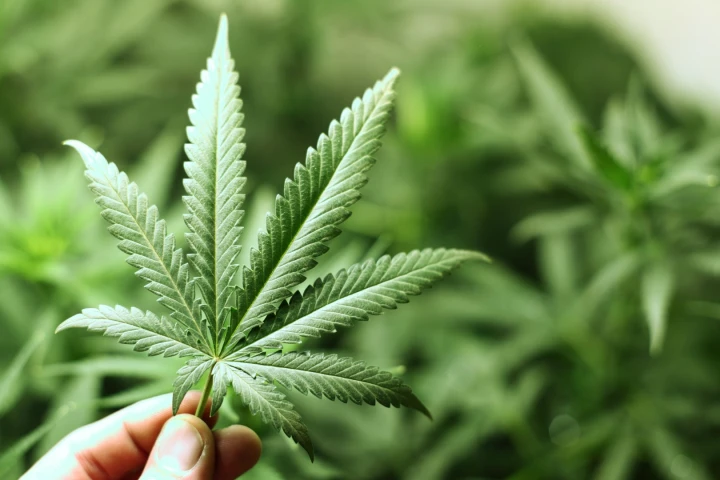
The results of one of the longest in-depth studies examining cannabis use and chronic pain is raising doubts over whether cannabis reduces pain severity or opioid use. The study is proving controversial as its findings contradict a growing body of research suggesting exactly the opposite.

New research suggests cannabis use can be linked to higher rates of "rebound headaches" in migraine sufferers. The research is observational and retrospective, but it is yet another finding questioning how helpful cannabis is for chronic migraine patients.

While CBD or cannabidiol is now widely available, widely used and generally considered safe, new research has found its use during pregnancy may produce some strange behavior in offspring and changes to the way their brains process sensory information.

Most psychedelic advocates picture a future where the drug war is over and people are free to use a number of currently illicit substances but exactly how we get to that utopian future is the source of great acrimony in a previously unified community.