
Lancaster University
-
 Researchers at Lancaster University have developed a new material that can store energy for months, and potentially years, at a time. The material can be activated by light, and then release the pent-up energy on demand in the form of heat.
 -
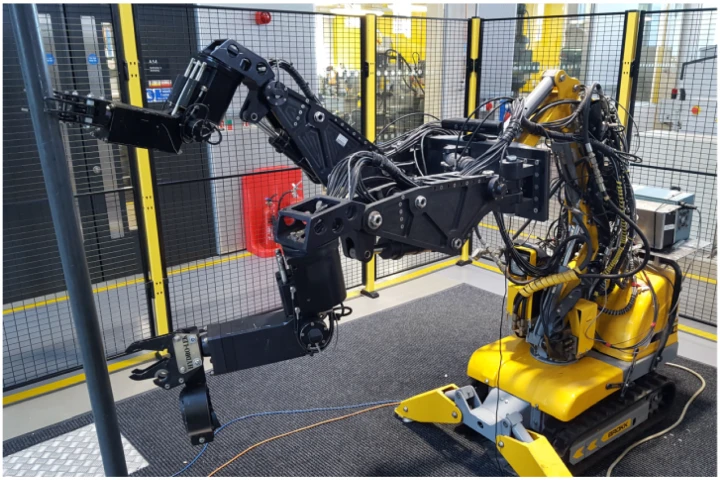 Nobody wants to get near nuclear waste, so a team of engineers is developing a new semi-autonomous robotic system to help dismantle decommissioned reactors. The two-armed mobile robot can identify, grasp, and cut objects like pipes without the operator having to control every movement.
 -
 According to many musicians, in order to have the best sound possible, an acoustic guitar has to be made from the "right" type of wood. Unfortunately, such wood often comes from endangered, unsustainably-harvested trees. A new study, however, suggests that wood type makes essentially no difference.
 -
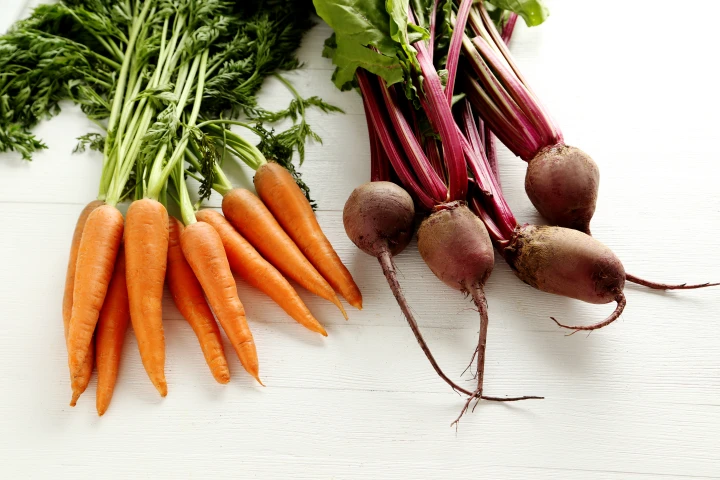 It was back in April that we heard about how scientists had made concrete stronger and more eco-friendly by adding graphene to it. Now, researchers at Lancaster University are reporting that they've achieved even better results using cheaper "nano platelets" derived from root vegetable fibers.
 -
 Running marathons can be a lonely business. Sure, there are stretches where the road is lined with cheering spectators, but there are also sections where the athlete is alone. That's why scientists have developed a baton that allows remotely-located people to electronically cheer the runner on.
 -
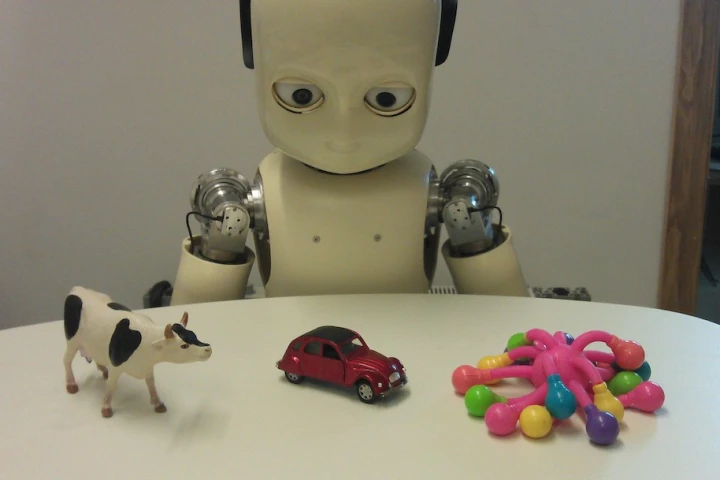 Kids can pick up new words pretty quickly – just ask any parent who’s accidentally sworn in front of them. To better understand early learning, a new study tested the language skills of both children and robots, and found that kids use a robotic technique that may not be based on conscious thought.
 -
 The CheckinDJ digital jukebox system developed at Lancaster University uses NFC technology and social networking to generate crowd-curated playlists.
 -
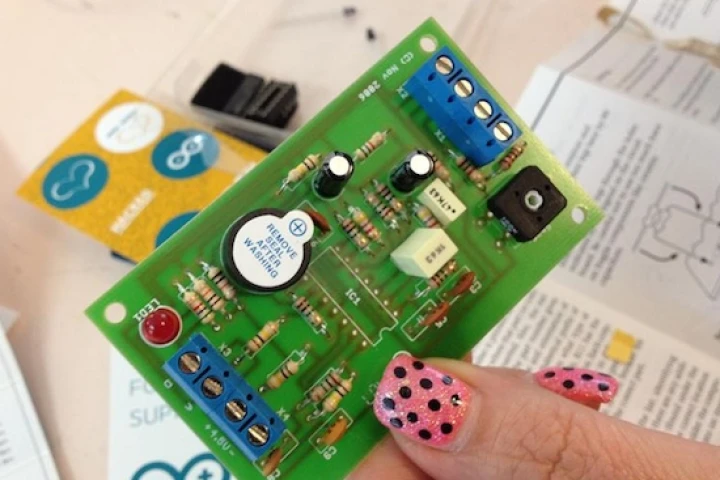 A new project dubbed the “Personal Appointment Ticketing service” (or PAT) aims to help homeless people keep their appointments.