
McGill University
-
 In order to 3D-print really intricate items, you need a really fine print nozzle. Scientists have discovered that instead of going to the time and trouble of building one, you can simply repurpose a mosquito's existing blood-sucking proboscis.
 -
 Inspired by children's science projects that used a lemon and copper wire to power a lightbulb, researchers explored how citric acid could enhance a gelatin-based electrolyte and create a biodegradable battery that can also stretch.
 -
 Taking a leaf out of the plant book, scientists have used a method not unlike photosynthesis to harness the power of sunlight and turn two destructive greenhouse gases into useful, prized chemicals for renewable fuel and greener manufacturing.
 -
 In order to spread to other host trees, the parasitic mistletoe plant has very sticky seeds that cling to bird feathers, bark, and other materials. According to a recent study, the "glue" on those seeds could inspire new biomedical adhesives.
 -
 As useful a material as glass is, being prone to cracking or shattering is a major downside. McGill University scientists have developed a new type of glass inspired by the mollusk shell that’s stronger and tougher, while retaining good transparency.
 -
 Hydrazine rocket fuel is highly toxic, carcinogenic and unstable, making it incredibly dangerous to work with. Scientists at McGill believe their new alternative, based on metal-organic frameworks, will lead to cleaner, safer, more controllable rockets.
 -
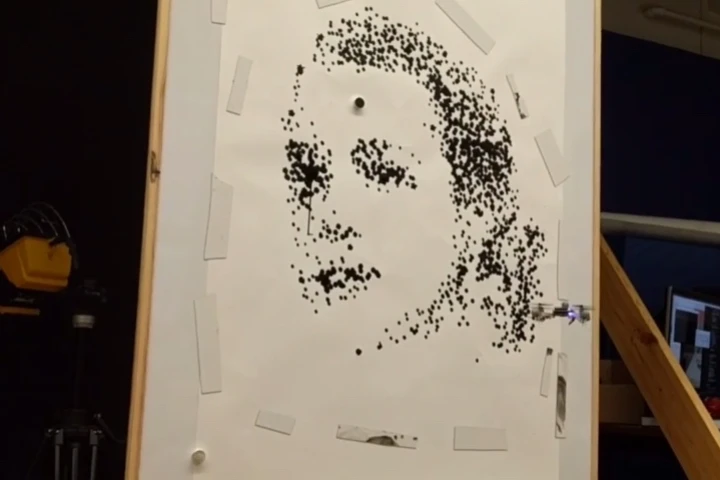 We hear about drones being used to do a lot of things, but the creation of art is one that doesn't come up too often. That could be about to change, though, as a computer scientist from Montreal's McGill University has been using tiny quadcopters to paint portraits on the campus' hallway walls.
 -
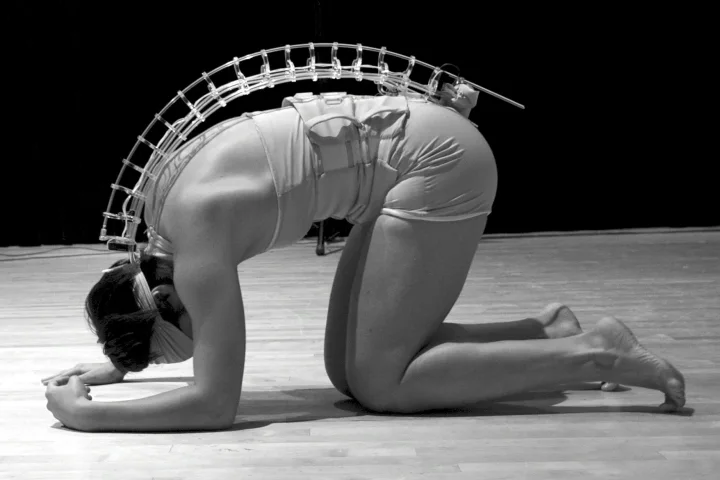 Members of the Input Devices and Music Interaction Lab at McGill University have collaborated with a choreographer, a composer, dancers and musicians to create three groups of sensor-packed, internally-lit digital music controllers that attach to a dancer's costume.
 -
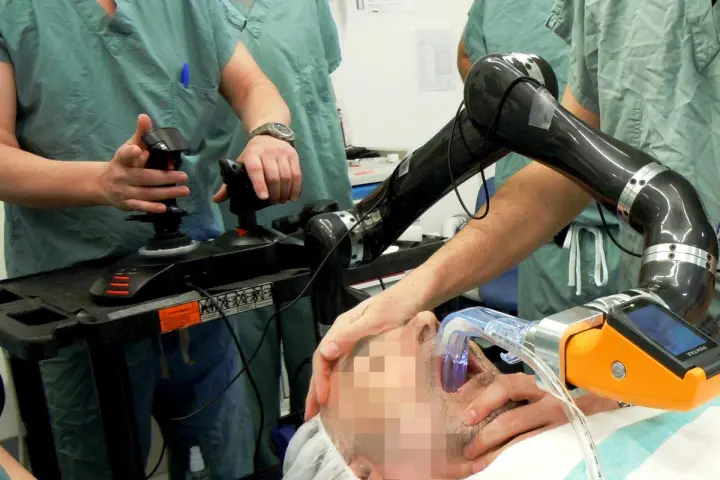 A robotic intubation system that inserts endotracheal tubes in patients is being tested on human subjects.