
ONR
-
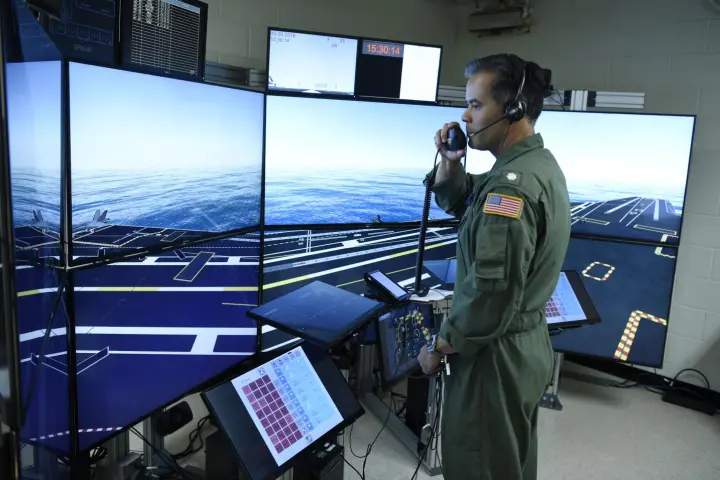 The US Navy is developing a simulator to train aircraft carrier flight deck crews in a virtual environment. The expandable, immersive 3D technology based on video games allows flight controllers, supervisors, catapult crews, and watch stations to train together without the need for an actual ship.
 -
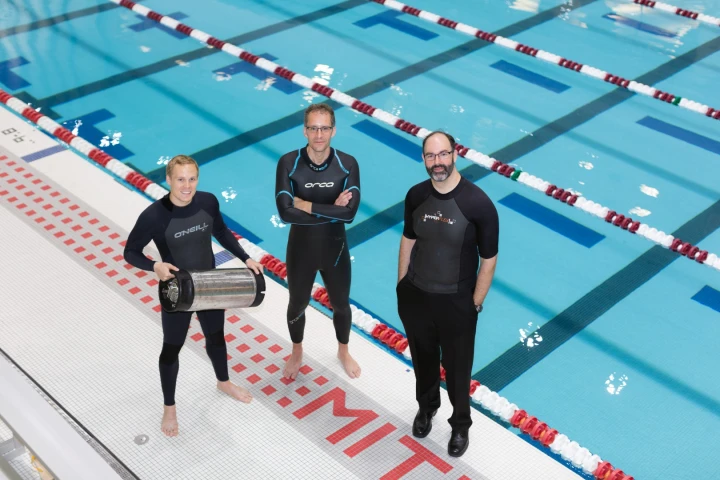 The US Navy is looking at a type of "artificial blubber" to allow divers to work in freezing conditions for hours on end. The approach uses an off-the-shelf wetsuit permeated with inert gases to triple a diver's endurance against the threat of hypothermia.
 -
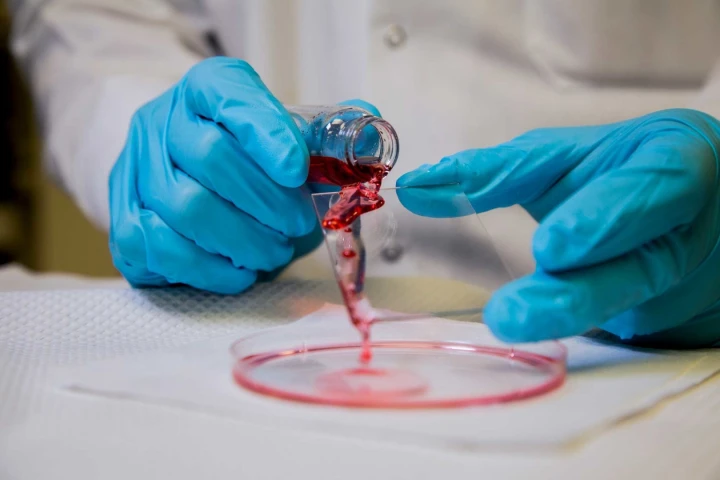 To make ships and submarines slippier, Anish Tuteja, an associate professor of materials science and engineering at the University of Michigan, is working on an "omniphobic" coating that not only repels water, but many other substances, like oil, alcohol, and even peanut butter.
 -
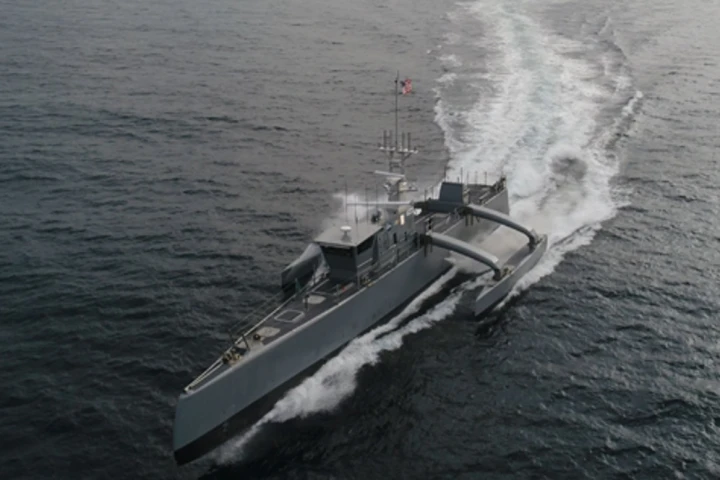 Following a series of successful sea trials, DARPA has handed its experimental autonomous warship over to the US Navy. The ACTUV "Sea Hunter" was formally transferred to the Office of Naval Research for further development of what could be the first of a new class of unmanned ocean-going ships.
 -
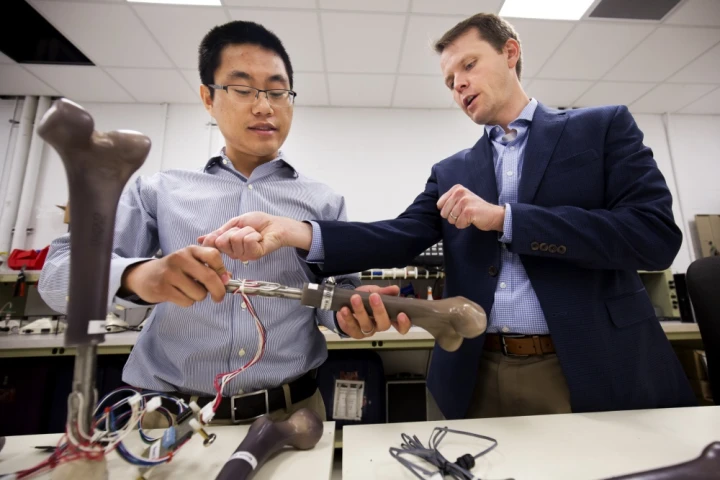 With the whole body pressing down on the point of contact, prosthetic legs can be painful, awkward and cause infections. Now scientists from ONR have developed a more comfortable “smart” prosthetic that can be attached at will, and monitored for infection and stress with an array of sensors.
 -
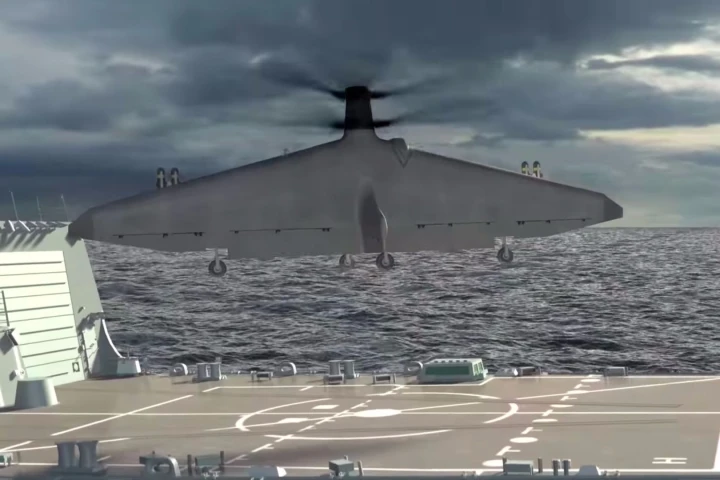 DARPA's goal to develop a UAV that can launch from small-deck ships in the US Navy and Marine Corps fleets, for ISR, as well as targeting and strike missions, is a step closer to getting off the ground, according to Northrop Grumman's latest progress report on the Tern program.
 -
 Over the years, the ONR has produced some impressive innovations, from unmanned sub-chasing ships to self-healing paint for armored vehicles. Now, it’s turned its attention towards producing new electrical materials, looking to nature for inspiration.
 -
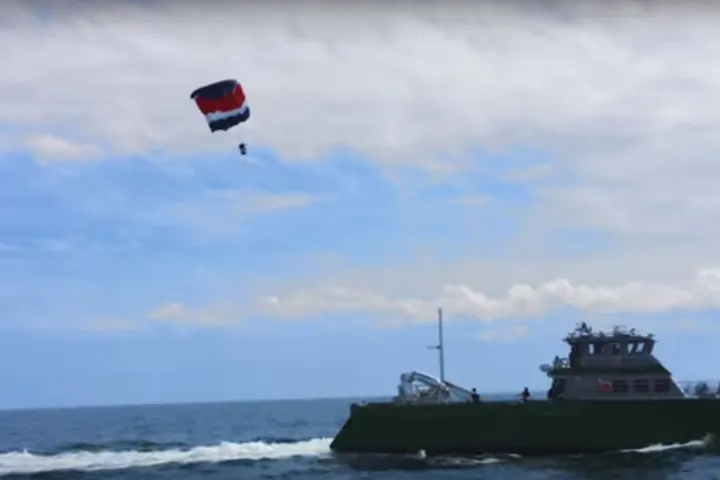 Warships are only as effective as far as they can see, so DARPA's Towed Airborne Lift Of Naval Systems (TALONS) research effort is aiming to extend their horizons by giving them a crow's nest 1,500 ft (457 m) tall by way of a towed parafoil.
 -
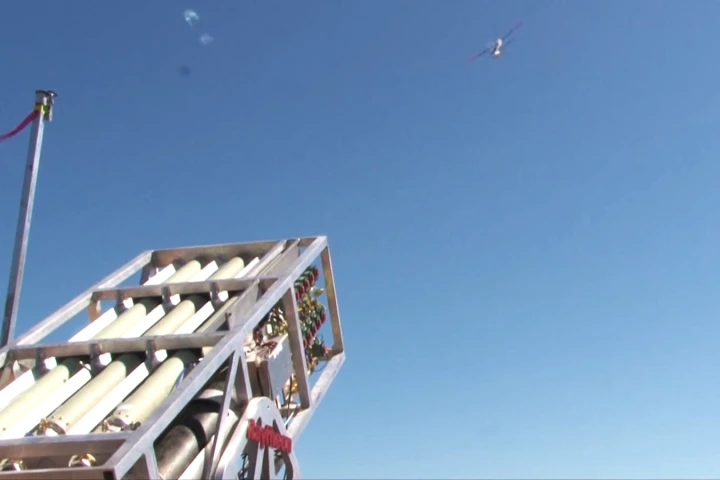 The Office of Naval Research (ONR) has revealed that it has been conducting demonstrations of swarming unmanned aerial vehicles (UAVs) at various locations over the past month as part of the Low-Cost UAV Swarming Technology (LOCUST) program.
 -
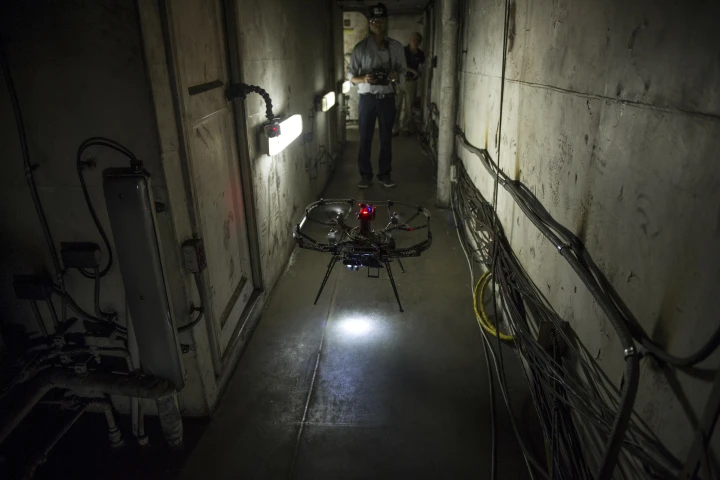 The Shipboard Autonomous Firefighting Robot, as its name implies, is designed to help human crews fight fires in the close confines of naval vessels. In order to get to those fires quicker, it may ultimately receive some help itself from an autonomous drone.
 -
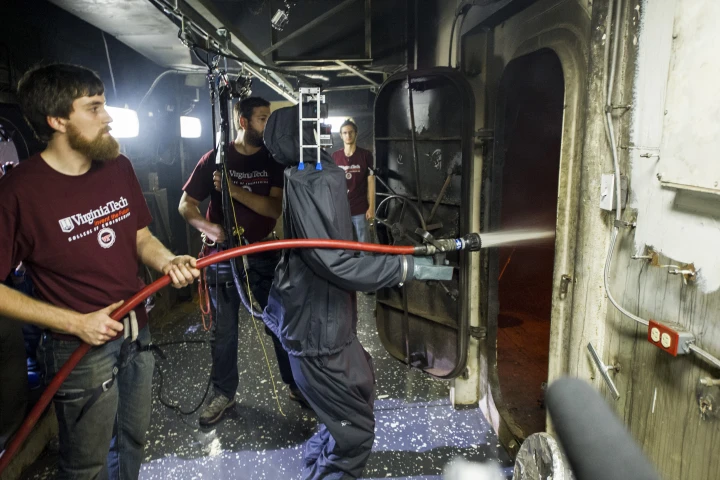 The US Navy and the Office of Naval Research (ONR) released details of demonstration exercises conducted by their Shipboard Autonomous Firefighting Robot (SAFFiR) aboard the fire training ship USS Shadwell last November.
 -
 A human mechanical surrogate is part of a program by the Office of Naval Research (ONR) to create robots, avatars, and animatronic surrogates for military training.
Load More