
Rutgers University
-
 Although 3D printing technology continues to improve, it's still limited by relatively long print times and low resolution. A new technology could help, by simultaneously utilizing multiple small print nozzles instead of a single big one.
 -
 While there are some "smart" headphones that can perform multiple functions, the vast majority still just amplify music. A new system, however, could give those "dumb" headphones capabilities such as heart rate monitoring and gesture recognition.
 -
 3D printing may indeed allow for the creation of intricate objects, but what happens if you want to apply a coating to all of those nooks and crannies? Well, a newly-adapted technology should let you do so easily, with a minimum of waste.
 -
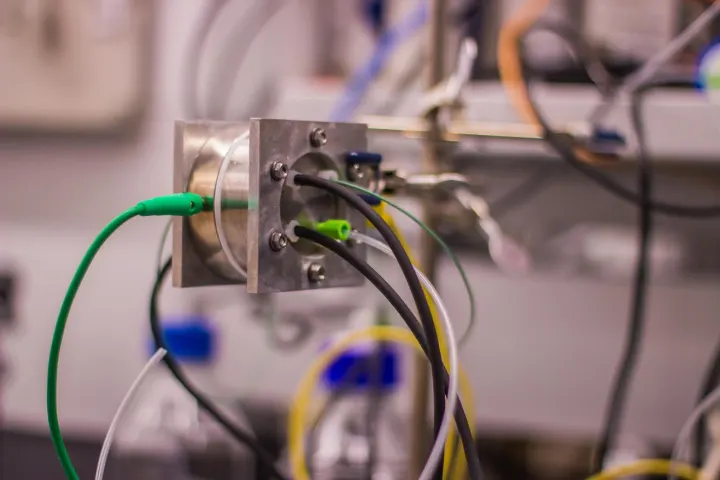 Researchers at Rutgers University have made an exciting breakthrough, describing a new method of artificial photosynthesis that can convert carbon dioxide into the building blocks for plastics and other materials, and do so with greater efficiency and much more cheaply than ever before.
 -
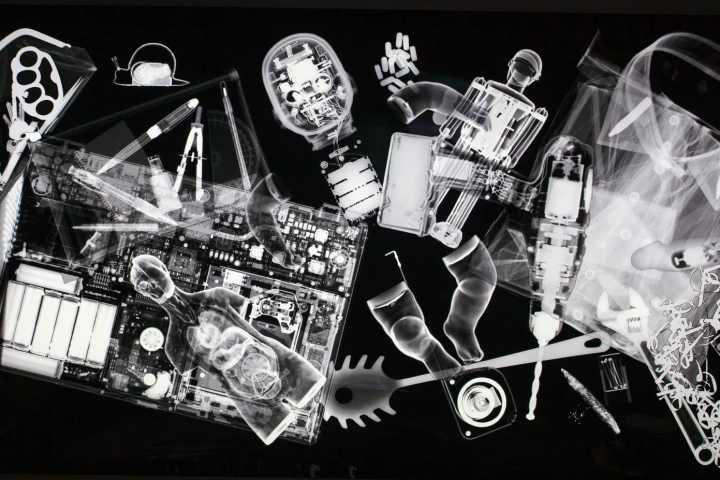 It’s an unfortunate truth that weapons and explosives in public places are an increasing problem. But many screening technologies are bulky and expensive, and require staff to operate. Now a new study has found a way to tap into a type of signal that’s already ubiquitous in public places – Wi-Fi.
 -
 Hydrogels could make for robots that are more flexible, safer to be around and simpler to build and use. Now researchers at Rutgers University have developed a smart gel that can be 3D printed into a variety of shapes, and electrically-activated to make it “walk” underwater, grab and move objects.
 -
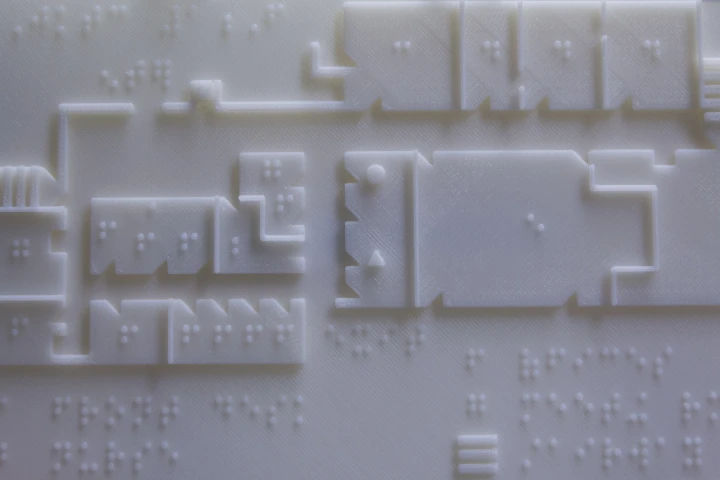 A pair of researchers at Rutgers University School of Engineering came up with a way of improving the situation for students at a training center for the blind and visually impaired in New Brunswick by 3D-printing detailed braille maps of the facility.
 -
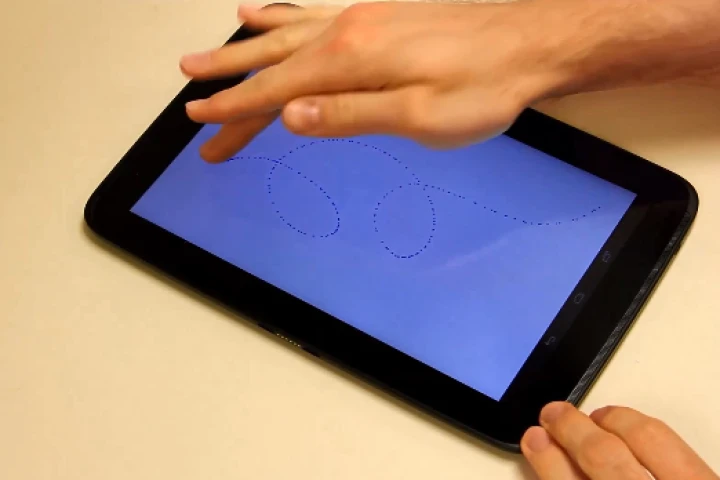 Researchers are working on a possible alternative to typed passcodes. They've discovered that passwords consisting of hand gestures used to draw free-form lines on a smartphone or tablet screen are much more difficult for "shoulder surfers" to copy after seeing.
 -
 Wave energy company Ocean Power Technologies (OPT) has commenced sea trials of an autonomous wave energy device that provides clean energy for sea-based radar and communications systems in remote ocean locations and in all wave conditions.