
University of Adelaide
-
 Counterfeit alcohol is a global problem that continues to cause deadly methanol poisoning outbreaks in many countries. Recently, scientists have developed a technology that can detect methanol in alcoholic drinks without even opening the bottle.
 -
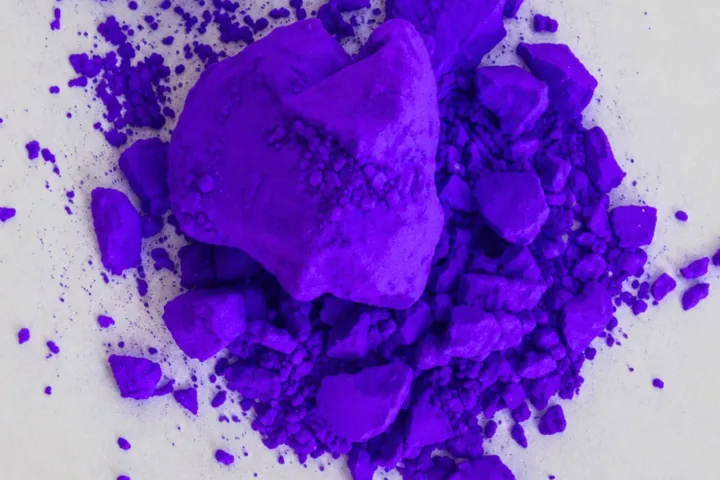 A breakthrough by researchers from Zhengzhou University, Adelaide University, the University of South Australia, and Central China Normal University could help you chill out when the temperatures peak without compromising style.
 -
 Customizable by sweetness and flavor, "space smoothies" offer emulsified omega-3 fatty acids. On long space missions, astronauts can now weaponize fish oils, fruit acids, coconut fats, and, of course, sugar, against morale-killing food fatigue.
 -
 Geckos are able to maintain a grip on wet surfaces not because their toe pads repel water, but because they attract it. A new polymer, which was inspired by this phenomenon, could find use in shoe soles that keep people from slipping on ice.
 -
 Green hydrogen is going to demand a lot of water for electrolysis – nine liters of pure water for every kilogram of hydrogen. Researchers say they've found a simple way to use seawater in standard electrolyzers, and that's big news for clean energy.
 -
 For quantum batteries, the bigger the battery, the faster it charges. For the first time, team of scientists has now demonstrated the quantum mechanical principle of superabsorption that underpins quantum batteries in a proof-of-concept device.
 -
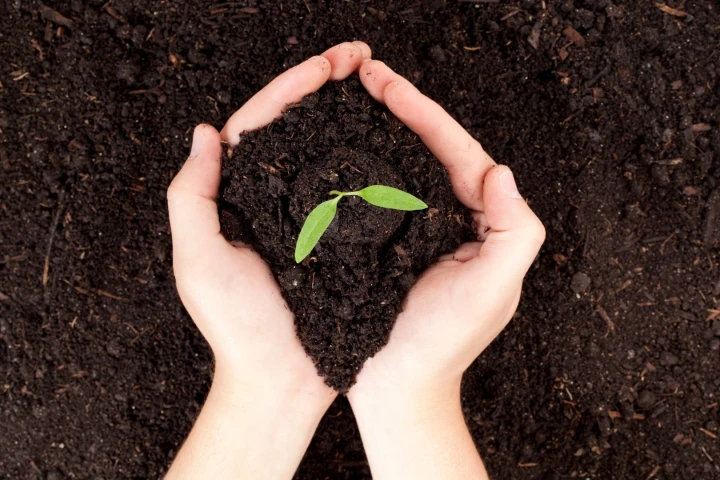 Another day, another new use for graphene. This two-dimensional form of carbon is strong, flexible and a great conductor. Now the overachieving wonder material has been put to work in the garden, as Australian researchers have used it as an effective slow-release carrier for fertilizer.
 -
 New Atlas asks Peter Murphy from the University of South Australia a single question as part of our regular One Big Question series: What goes into making a color-changing military tank?
 -
 Scientists have incorporated light-emitting nanoparticles into glass so that it remains almost perfectly transparent, but glows brightly when stimulated. This new "hybrid glass" may one day be used to create new smart glass devices, including smart 3D displays and remote radiation sensors.
 -
 EDWARD (Electric Diwheel With Active Rotation Damping) is a student-built electric, working diwheel vehicle.