
Brain Health
The human brain and mind remain among the most complex and powerful mysteries of nature. Here, we focus on the latest brain science, research, therapies and practical ideas, covering a range of brain-related conditions, from Alzheimer's disease and dementia to ADHD and the Autism spectrum, as well as depression, anxiety, mental health, learning and memory.
Top News
-
 Scientists have uncovered an odd superpower triggered by tapping your finger to a beat – it may help you understand someone talking to you in a noisy place, like at a busy cafe. While it sounds a little woo-woo, there's emerging science behind it.
 -
 Scientists have uncovered an intriguing link between infection and brain health, finding that a common bacterium may advance cognitive decline. It's the latest evidence suggesting that bacteria and infections play a key role in destroying our brains.
 -
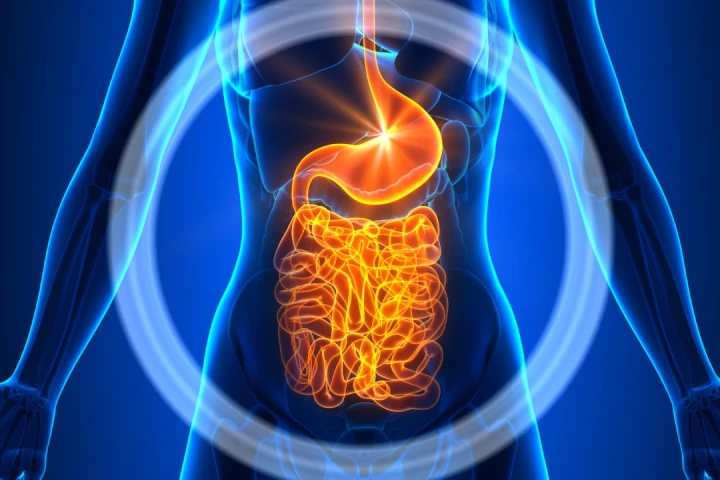 An example of the emerging science linking between gut health and autism, exciting new research moving into Phase 3 human trials has found fecal transplants can dramatically reduce its symptoms in the long term.
Load More
Latest News
-
 February 04, 2026 | Chelsea HaneyA new study challenges the idea MS is just one single disease presenting evidence it may actually follow two distinct biological pathways. It’s a shift that could reshape how clinicians think about diagnoses, disease progression and treatment strategy.
 -
 January 29, 2026 | Bronwyn ThompsonFor some time, we've known that it's rare to see people with both cancer and Alzheimer's diseases. Now, scientists believe they may have found why, discovering a molecule in cancer cells that clears problem proteins from the brain.
 -
 January 21, 2026 | Bronwyn ThompsonUsing the largest sample of super-agers to date, scientists have found convincing evidence that supports what many of us have suspected: Longevity isn’t just about healthy lifestyle choices, but also a good draw in the genetic lottery.
 -
 January 21, 2026 | Bronwyn ThompsonThe first-of-a-kind brain-stimulation device approved to treat attention-deficit/hyperactivity disorder in the US has had its efficacy questioned, with scientists believing that its Food and Drug Administration approval was based on poor science.
 -
 January 17, 2026 | Bronwyn ThompsonIn the first study of its kind, neuroscientists have shown the real-world benefits that sunlight gives the brain, beyond laboratory experiments, linking brighter and more regular daytime light to better alertness and faster attention in everyday life.
 -
 January 12, 2026 | Jay KakadeNitrous oxide, known as laughing gas, has shown rapid antidepressant effects in people with depression, with symptoms easing within hours of inhaling it. The treatment involves breathing in a mix of nitrous oxide and oxygen for up to an hour.
 -
 January 07, 2026 | Malcolm AzaniaA new study from Northwestern University offers hope to Alzheimer's patients and their caregivers. If researchers there are correct, their new small-molecule NU-9 drug may be able to stop the disease long before it begins ruining lives.
 -
 January 04, 2026 | Bronwyn ThompsonIn a landmark shift in how mental health conditions are treated in the near future, the US Food and Drug Administration has approved the first at-home brain-stimulation device that can rapidly relieve moderate to severe depression symptoms.
 -
 January 03, 2026 | Bronwyn ThompsonADHD drugs have been thought to sharpen attention, but a new study has found something very different is at play. They don't offer laser-sharp focus but boost wakefulness and engagement, helping the brain stick to tasks it would otherwise give up on.
 -
 January 02, 2026 | Malcolm AzaniaResearchers at Switzerland’s EPFL have created a new neurotherapy that vastly and non-invasively improves vision for patients with hemianopia-related vision loss. Previously, patients suffering from the condition simply had to learn to live with it.
 -
 December 13, 2025 | Malcolm AzaniaA new “audio shield” uses earbuds connected to hand-mounted microphones for hearing the subtle sounds of everyday tasks. The mechanism helps users block the perpetual hurricane of distractions and achieve mindfulness, reducing the effects of ADHD.
 -
 December 10, 2025 | Michael FrancoThere's a well-established link between depression and chronic low-grade inflammation. Now, a new meta-study shows that treating the inflammation can reduce depression in two ways, offering a potential alternative to antidepressants and their side effects.
 -
 December 08, 2025 | Bronwyn ThompsonIn a breakthrough, scientists have discovered that a variant in one gene can cause mental illnesses – something previously believed to only be the result of several variants working together. What's more, these conditions often develop in childhood.
 -
 November 25, 2025 | Michael FrancoIn a new study, researchers discovered that the human brain has four pivotal periods when it goes through marked changes, sparking five "epochs" that last for years. The adolescent phase, for example, was found to extend into our early 30s.
 -
 November 24, 2025 | Bronwyn ThompsonScientists have failed to show that weight-loss wonder drug semaglutide can also slow the progress of Alzheimer's disease (AD), as two two-year clinical trials end in disappointment for patients, medical scientists and drugmaker Novo Nordisk.
Load More