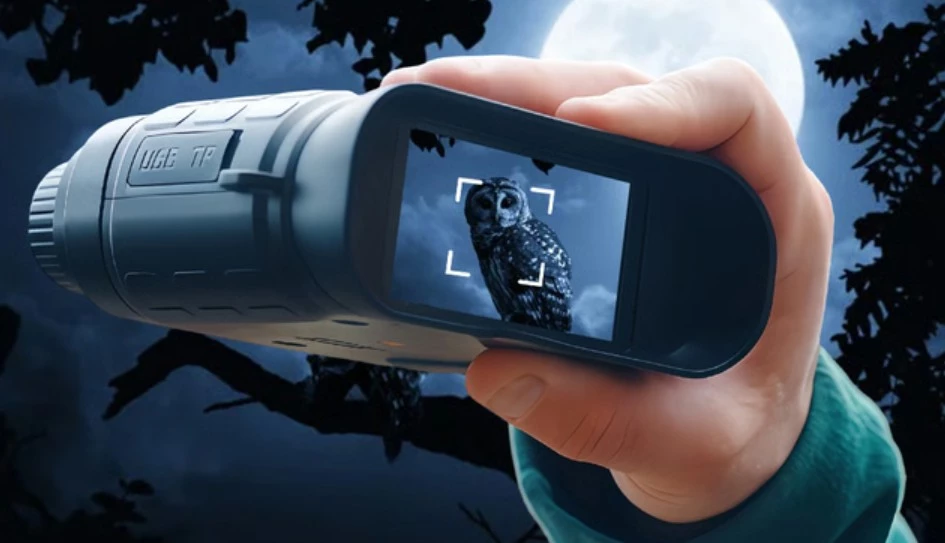

Hong Kong startup ScoPix is pitching AI-powered night-vision binoculars that can identify and capture images of wildlife, objects, and landmarks in real time, even in near-total darkness.
Night-vision devices have always been about one thing: visibility. Whether that’s for watching wildlife in pitch-black conditions or simply navigating after dark, they help people see what would otherwise be hidden. The Scopix Starlight-AI Night Vision Binoculars aim to build on this foundation by adding real-time AI interpretation.
Currently the subject of a Kickstarter campaign describes the device as the "world’s first universal recognition night-vision" system. The claim appears to be true when it comes to binoculars, but other companies, such as Willfine, have attempted to integrate AI-powered recognition into its night-vision enabled camera range.
Rather than just spotting distant subjects, the ScoPix interface actively identifies them, aiming to help make nighttime excursions more educational and informative.
Once Scopix’s dedicated AI model identifies a subject based on training from public datasets, it provides details like names, habitats, or descriptions, with an option to deliver them through voice narration for hands-free use. The company claims up to 98% accuracy with sub-second results; however, real-world reliability will likely vary.
In practice, this elevates the experience, turning the binoculars into a tool for real-time, AI-assisted discovery during outdoor expeditions.
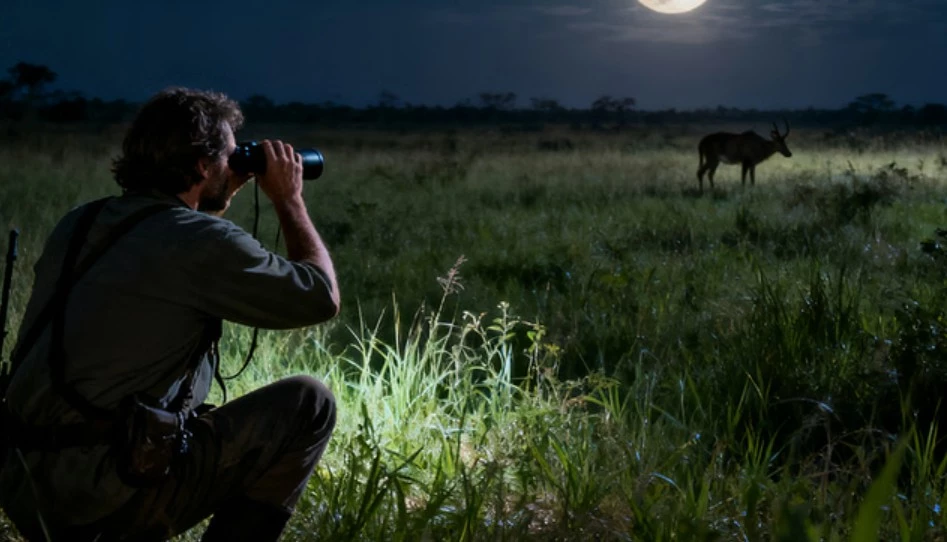
On the optics side, Scopix pairs a Starlight-grade CMOS sensor with a three-level infrared system. The sensor handles near-total darkness, while an 850-nm IR spotlight extends visibility when needed. It offers up to 300 m (~985 ft) of range, 8x digital zoom, and manual focus, along with 4K video and 8-megapixel photo capture. This combination of passive low-light imaging and active IR makes the ScoPix well-suited to nighttime and remote environments.
The device follows the familiar binocular-style design, weighing around 410 g (11 oz) and built for handheld use, with tripod support for longer sessions. It includes 32 GB of onboard storage, which you can expand via a TF card, and offers up to four hours of continuous use per charge of its battery. An IP64 rating adds dust and splash resistance, and nitrogen-filled optics help prevent the lenses from fogging up. Overall, the company is going for a design that balances durability with ease of use for activities like hiking and wildlife-watching.

The ScoPix Starlight-AI sits between traditional binoculars, night-vision gear, and AI-powered tools, with the goal of supplementing observation with information. The binoculars have launched on Kickstarter to raise production funds and engage directly with potential users, with early bird pledge levels currently starting at US$291.
All crowdfunding projects have an element of risk, but backers of the startup's first Kickstarter for an all-in-one smart telescope seem satisfied with their all-in-one smart telescope - shipping grumbles aside. If all goes to plan with the current campaign, shipping is estimated to start from August.
Source: Kickstarter
Note: New Atlas may earn commission from purchases made via links