
Antenna
-
 University of Florida researchers have built BlueME, a magnetoelectric antenna array that lets underwater robots communicate reliably at up to 730 m while drawing less than 10 watts – without acoustic noise or line-of-sight constraints.
 -
 "Ground Control to Major Tom," the iconic lyric from 70s hit, Space Oddity. Oddly, the giant parabolic dishes behind those transmissions are still in use 50 years on ... until now. Engineers are proposing sleeker, more efficient ground station tech.
 -
 Ordinarily, in order to establish communications at disaster sites, rescuers have to transport and set up relatively bulky, costly satellite dishes. Soon, however, a simple tubular antenna made of woven strips of material may get the job done.
 -
 Today's internet- and cellular-connected cars require antennas more than ever, but working the devices into vehicles' bodies limits the design possibilities. LG is out to change that, with a windshield-integrated transparent antenna.
 -
 No matter how good we humans have made something, chances are nature did it better. Rather than compete, scientists have now tapped into a natural sensor with the Smellicopter, a drone that uses an antenna from a live moth to sniff out its targets.
 -
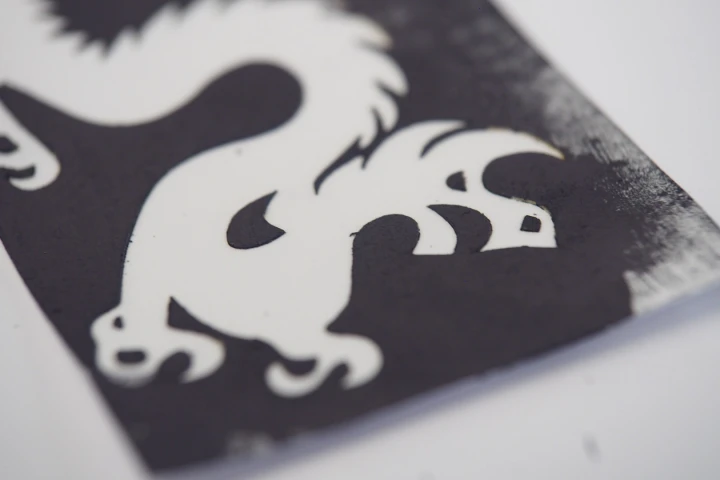 As crucial as antennas are, the rigid metals they’re made of can limit what devices they can be built into. To help with that, researchers at Drexel University have developed a new kind of antenna that can be sprayed onto just about any surface.
 -
 Scientists at the University of Birmingham have come up with a multi-function laptop antenna that’s able to squeeze inside a hinge. The tech packs Wi-Fi, GPS, Bluetooth, and 3G/4G LTE into a single unit, and could allow for notebooks with better connectivity.
 -
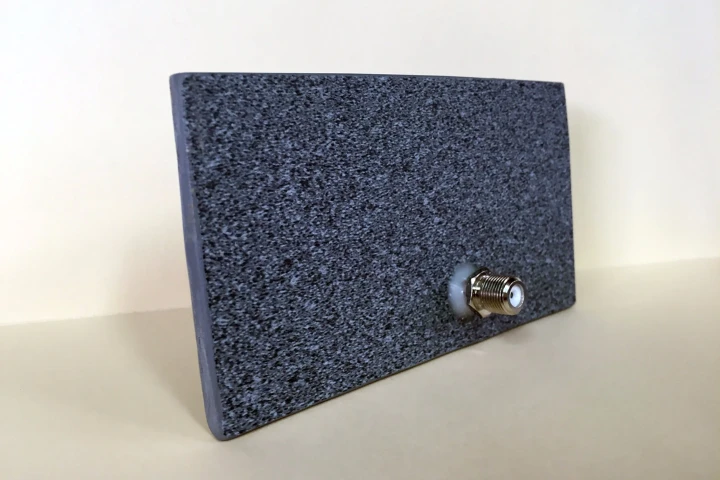 Researchers in Mexico have developed the world's smallest TV antenna without having to compromise on reception or the conditions under which it can operate.
 -
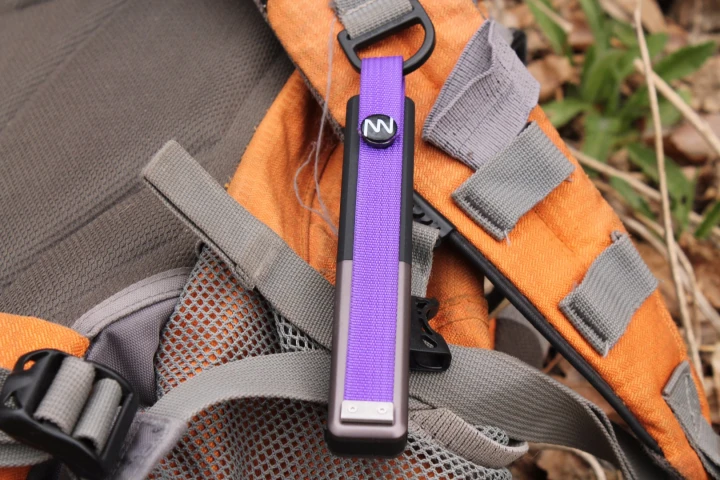 GoTenna is a pen-sized Bluetooth device that is designed to keep your group connected to each other, even when there's no network around. We tried out a pair deep in the southern Rocky Mountains to see how they performed.
 -
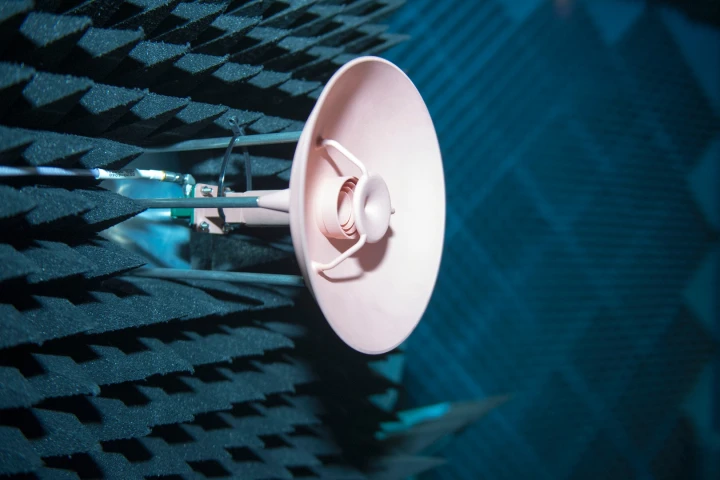 ESA has unveiled a prototype 3D-printed radio antenna that is currently undergoing testing at the Compact Antenna Test Facility in Noordwijk, the Netherlands. It's the space agency's first 3D-printed dual-reflector antenna incorporating a corrugated feed horn and two reflectors.
 -
 On Thursday, the Mitsubishi Electric Corporation unveiled its SeaAerial, which uses a column of seawater sprayed into the air to create a radio transceiver antenna.
 -
 Researchers have created a prototype optical antenna that is claimed to increase the intensity of emission from a nanorod light source by more than 115 times. This technique may offer the opportunity to replace power-hungry lasers with LEDs in short-range optical communications devices.
Load More