
autopilot
-
 While pilots often use an autopilot at high altitudes, they typically switch to manual control when entering crowded lower airspaces. However, what if the plane has no pilot? Well, a new AI autopilot system for busy airspaces may be the answer.
 -
 Tesla released its FSD beta 9.0 software on Saturday night, another leap forward ahead of the pack with some impressive new abilities. But it's going to need to get a lot more boring and mundane before this tech really starts changing the world.
 -
 Autopilot has been around longer than you think – the first daredevil public demos happened back in 1914. But today's airliners still need pilots, and Airbus has only recently completed testing on the first autonomous taxi, takeoff and landing system.
 -
 An important step towards autonomous aviation was taken today, as Cirrus Aviation announced "Safe Return" functionality for its G2 Vision jet, which will find the nearest airstrip, alert authorities and land itself in an emergency.
 -
 Commercial aircraft are already guided in for automatic landings at large airports, as their autopilot follows radio signals transmitted by ground-based antennas. Such auto-landings currently aren't possible at small airports, although that could be about to change, thanks to a new system.
 -
 The US National Transportation Safety Board has completed its investigation into a fatal crash involving a semi-truck and a Tesla Model S utilizing automated driving systems. The reasons for the crash are complex, but the report highlights issues with self-driving vehicles that should be of concern.
 -
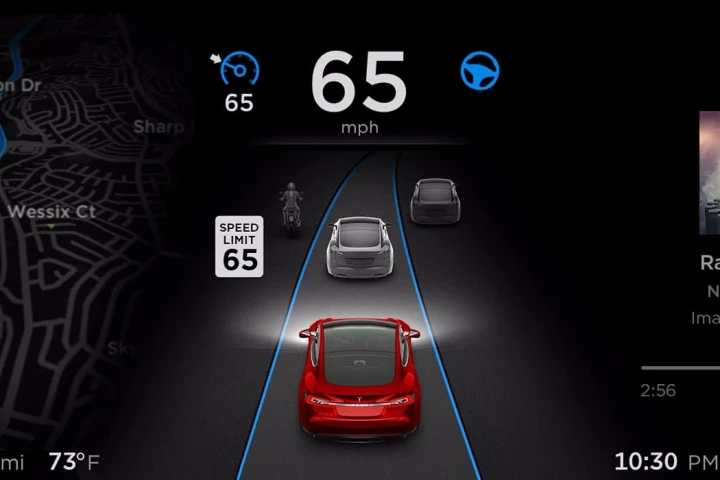 Tesla has given Autopilot a significant upgrade. Thanks to more advanced signal processing, information from the inbuilt radar sensors can now be used to form a more accurate picture of a car's surroundings.
 -
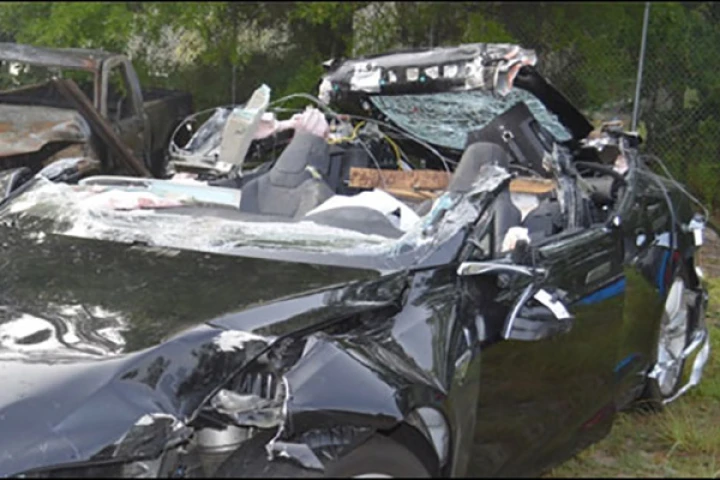 Tesla's Autopilot has come under scrutiny recently, after a driver using the system was killed when his Model S hit a white tractor-trailer. More details have emerged from the accident, with investigators revealing the car was traveling 9 mph over the posted limit at the time of impact.
 -
 A startup spun out of the University at Buffalo hopes to sell preemptive marine autopilot systems to small and mid-size recreational boat owners, with an eye towards a future with self-driving boats.
 -
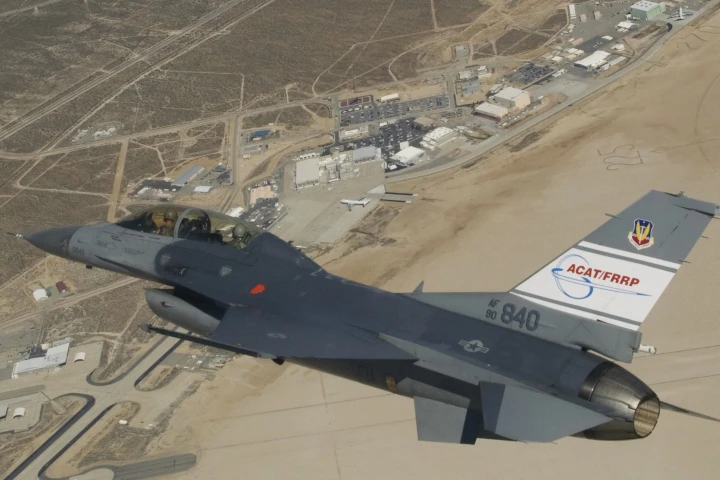 The United States Air Force (USAF) has announced that it is in the process of fitting out its fleet of F-16 fighters with a NASA-developed system, that has the potential to save hundreds of lives and billions of dollars by preventing aircraft crashes due to pilot error.
 -
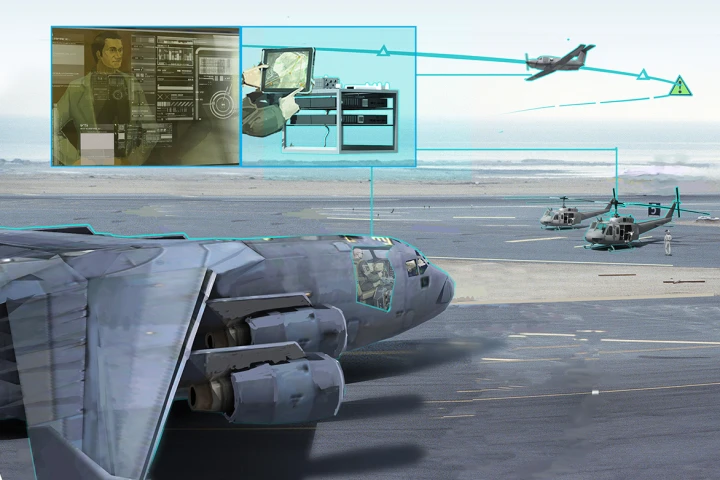 DARPA's Aircrew Labor In-Cockpit Automation System (ALIAS) program is aimed at producing a drop-in automated flight control system designed to make the pilot's life simpler while reducing the size of flight crews.
 -
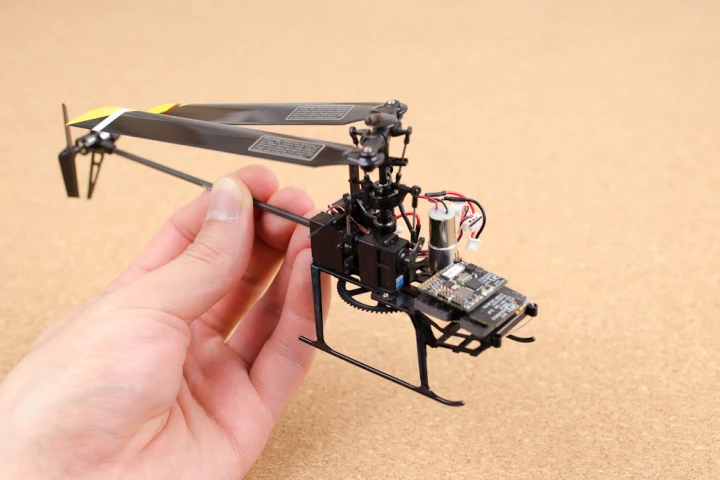 The Micro Aerial Vehicle Laboratory at the TU Delft faculty of Aerospace Engineering is claiming to have created the of the world's smallest autopilot module. The team's goal is to eventually create MAVs Micro Aerial Vehicles small enough to fit into your pocket.