
Cellular
-
 Scientists at the University College London have set a new world record in wireless data transmission speeds, sending a blistering 938 Gigabits per second (Gbps) over the air through a combo of radio and light technology.
 -
 While 5G feels pretty new and flashy, the industry is already making preparations for the next generation. LG Electronics and the Fraunhofer Institute have now conducted a test that set a new distance record for data transmission using 6G technology.
 -
 While short-range radio remote control may be fine for consumer drones, long-distance delivery drones often use cellular networks to communicate with their operators. A new mobile network system could make the latter method much more reliable.
 -
 It may feel like 5G only just arrived, but 6G is already on the horizon. Engineers at LG and HHI have now tripled the distance record for data transmission over 6G, reaching a new milestone for practical urban coverage.
 -
 There are two main versions of 5G technology, depending on what you prioritize – speed or coverage. But now, engineers at UC San Diego have found a way to get the best of both worlds, using an algorithm to bounce faster signals around obstacles.
 -
 It may feel like 5G networks are only just becoming mainstream, but the next iteration, 6G, is already in the works. Samsung has now demonstrated its first prototype 6G system in an over-the-air test, using terahertz (THz) frequencies.
 -
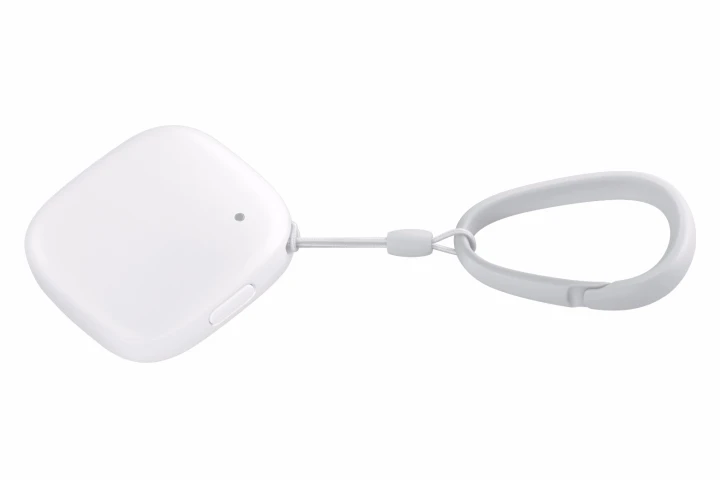 There’s a ton of trackers to find items that are always vanishing around the house, but most aren’t much good long-range. Samsung is now jumping into the tracker game with the Connect Tag, which uses a cellular connection to get a GPS readout essentially anywhere there’s a cell phone tower.
 -
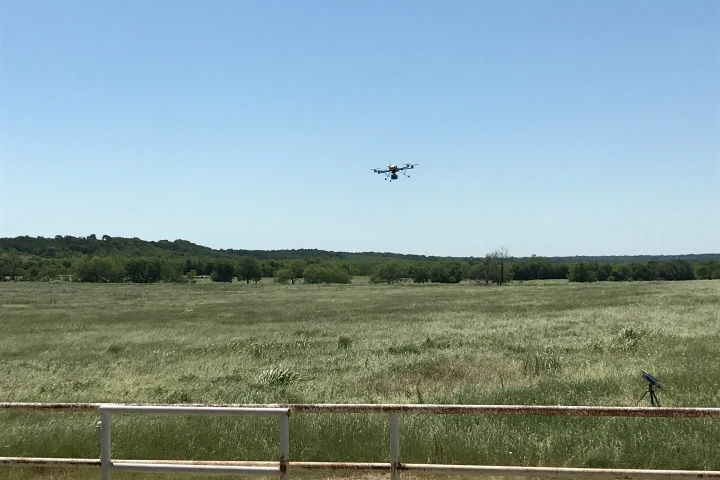 Drones could bring benefit to disaster-relief scenarios by serving as temporary communications networks in place of those destroyed by the event. Researchers have now taken a step forward in this area by demonstrating a drone-based cell network that offers coverage kilometers away.
 -
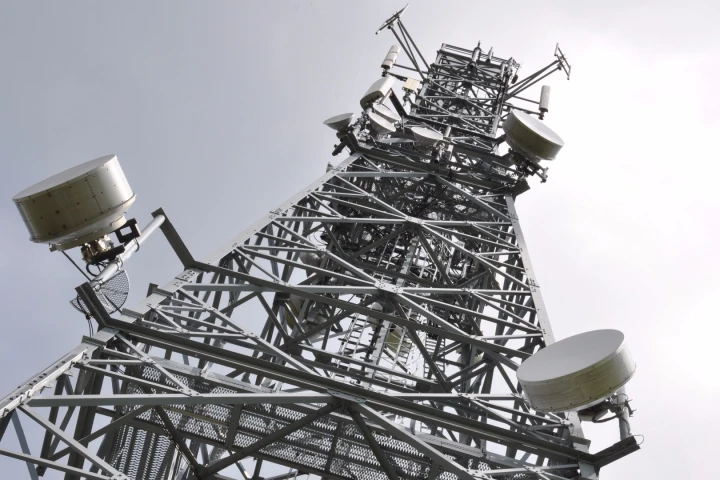 A team at Disney Research is looking at harnessing a technique called ultra-wideband (UWB) ambient backscatter, which would allow IoT devices to save power and ditch their radio transmitters by piggybacking their communications on the multitude of FM and cellular signals already in the air.
 -
 The street lighting in the US city of Los Angeles is about to get smarter. LA is to become the first city in the world to deploy Philips' SmartPole street lights, which are equipped with fully integrated 4G LTE wireless telecommunications technology. A total of 100 SmartPoles will be rolled out.
 -
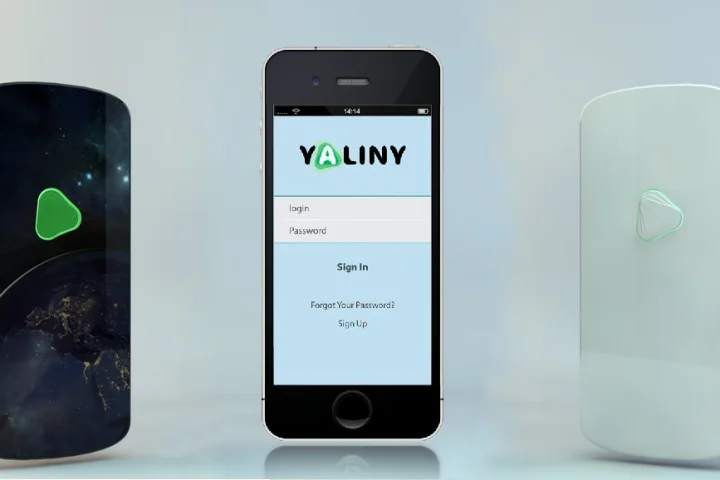 Yaliny's Indiegogo campaign seeks to fund something oh-so-tempting to those frustrated by a roaming symbol on their cellphone: satellite-based phone calls and data coverage anywhere in the world, for the low price of US$150 for the hardware and $10 monthly thereafter.
 -
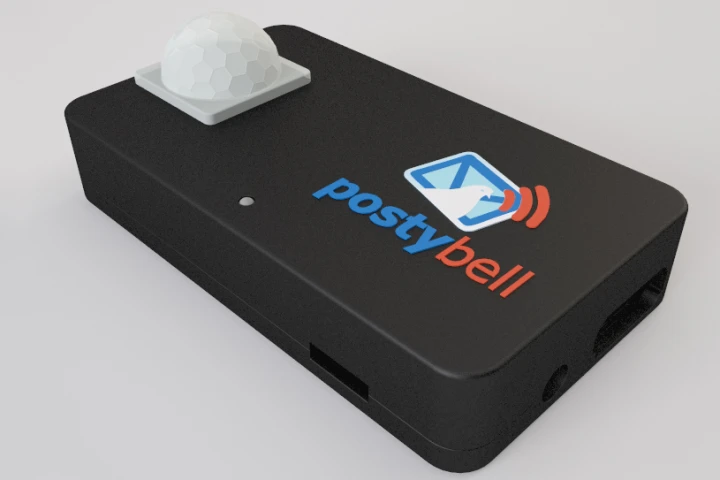 Unlike other mailbox sensors that rely on Bluetooth technology and therefore have a limited range over which to send an alert when a delivery arrives, the Postybell extends range to "any distance" by relying on GSM technology.
Load More