
Crops
-
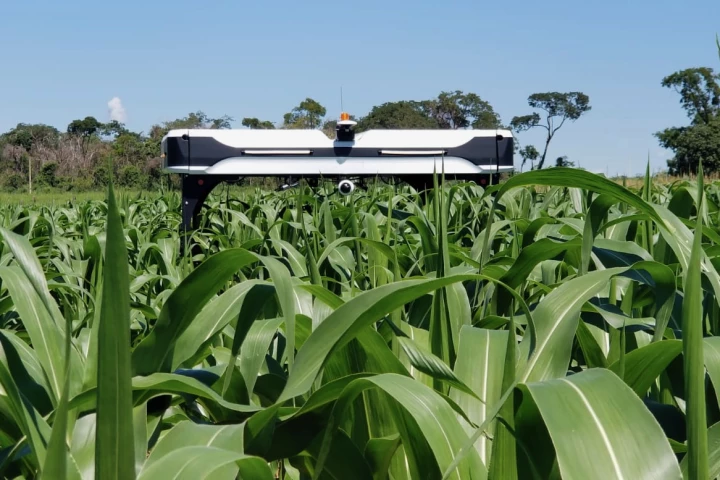 Farmers could be spared a lot of work and expense – plus the environment could be spared a lot of harmful chemicals – if crops didn't have to be sprayed indiscriminately. The new plant-inspecting Solix robot was designed with those facts in mind.
 -
 Birds regularly eat large quantities of crops, and often become accustomed to stationary devices designed to scare them away. That's why scientists are now looking at using autonomous drones to do the job.
 -
 Instead of using insecticides, farmers will sometimes cover their plants with a mesh fabric. A new such material has now been developed, which keeps out a wider range of bugs while still allowing crops to get enough sunlight and water.
 -
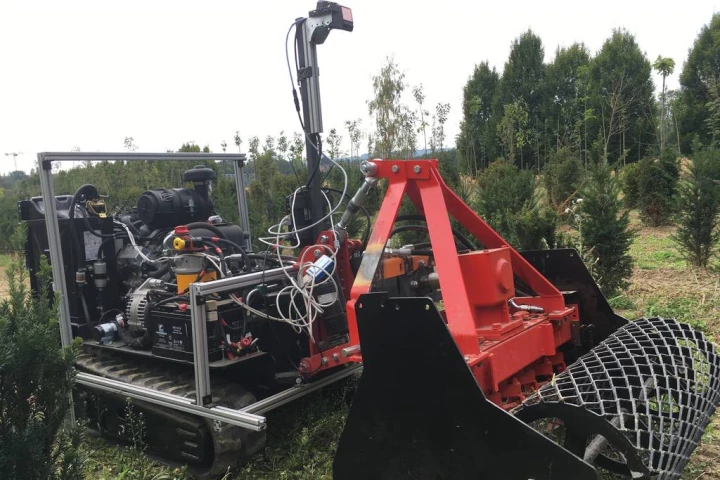 While manually hoeing weeds out of crops can be very time- and labor-intensive, spraying those crops with herbicides is definitely not eco-friendly. A German consortium is developing a third choice, in the form of the AMU-Bot weed-killing robot.
 -
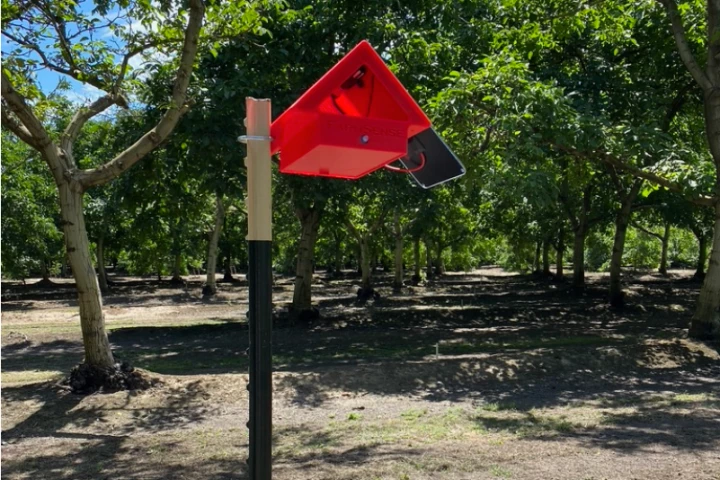 If farmers know what sort of pest insects are present in their crops – and in what numbers – they can avoid excessive use of pesticides. The FarmSense system was created to provide that information, via a network of Smart Traps.
 -
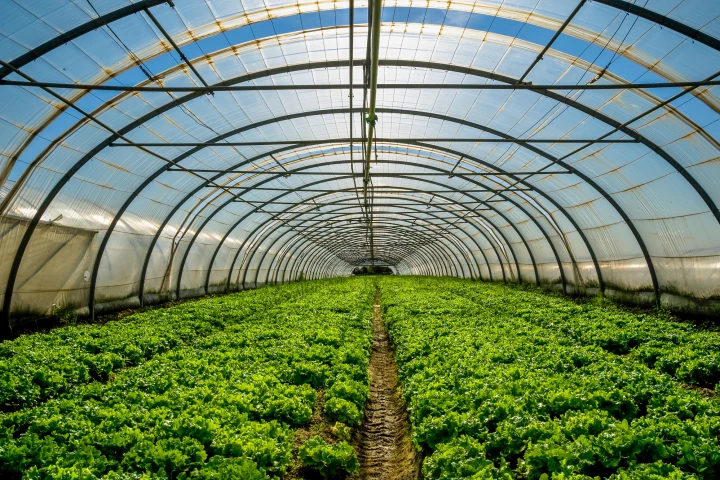 Would transparent solar cells installed in greenhouse roofs deprive plants of vital sunlight? To find out, researchers at North Carolina State University grew lettuce under various wavelengths of light, and found that the plants did just fine.
 -
 Although we've been hearing about various agricultural robots that are still in development, there's at least one which is already commercially available. It's called the Slopehelper, and it's made mainly for use in vineyards.
 -
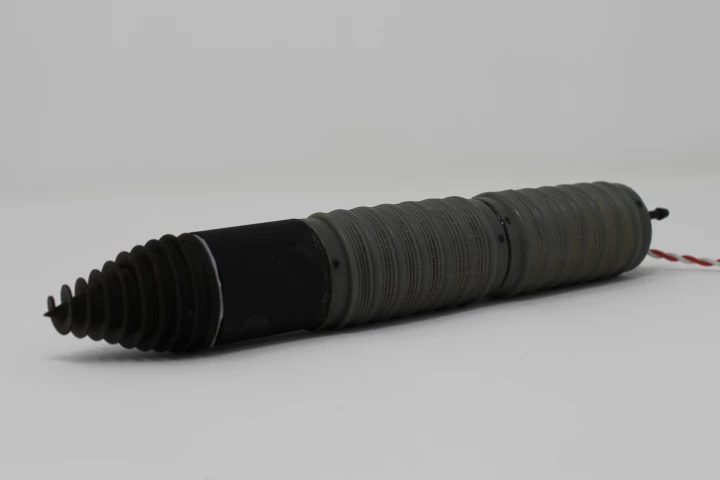 If you want to know the local soil conditions, it would be good if you could just ask an earthworm. Given that that's an impossibility, though, scientists are now working on the next-best thing – earthworm-inspired soil-analyzing agricultural robots.
 -
 Although there are now a few different crop-spraying multicopter drones, fixed-wing drones are faster and have a longer battery range. That's where the recently US-certified autonomous electric Pelican crop duster comes into the picture.
 -
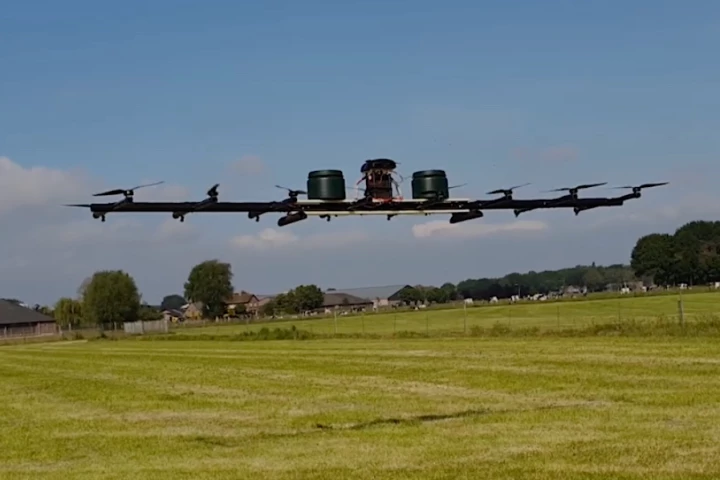 While crop-spraying drones do have advantages over full-size piloted aircraft, they're limited by their battery range. Dutch startup Drone4Agro is developing a solution to that problem, though, in the form of a range-extended electric multicopter.
 -
 We've already heard about drones that spray crops with herbicides and fertilizers. The AeroSeeder is a bit different, however, in that (as you might have guessed) it disperses seeds that might otherwise be difficult to plant.
 -
 Powdery mildew is a widespread fungal disease that attacks many crops. And while it typically has to be treated using fungicides, special ultraviolet light-emitting robots could soon prove to be a better way to go.
Load More