
DNA
-
 Researchers at the University of Cambridge have identified a bunch of genes linked to obesity in dogs – and found the very same ones in humans predisposed to putting on weight too.
 -
 A full DNA computer is a step closer, thanks to a new technology that could store petabytes of data in DNA for thousands or even millions of years. The system can also process data, as demonstrated by solving sudoku puzzles.
 -
 DNA is a much denser data storage medium than anything humans can design, but the problem is that it’s fragile. So now scientists have taken another page out of nature’s book and created artificial amber to protect data stored in DNA longer term.
 -
 Researchers have demonstrated a programmable nano-scale robot, made from a few strands of DNA, that's capable of grabbing other snippets of DNA, and positioning them together to manufacture new UV-welded nano-machines – including copies of itself.
 -
 Move over, quantum dots – quantum rods could be the next big display technology. These tiny sticks could improve 3D displays for VR headsets, and now engineers at MIT have overcome a logistical hurdle by arranging them onto a scaffold made of DNA.
 -
 In a fight against Iron Man, you might be better off betting on Glass DNA Nanolattice Man instead. Engineers have developed a very strong and lightweight new material out of DNA that self-assembles into lattices, and is then coated in glass.
 -
 If you want to know which animals are present in a given location, a good way of finding out is to look for their cast-off DNA. A new drone is designed to help scientists do so, by autonomously sticking itself to tree branches.
 -
 As with most things, nature’s data storage system, DNA, far surpasses anything we’ve created. Now, researchers have doubled its already incredible storage capacity by adding extra letters to its “alphabet,” and developed a new way to read it back.
 -
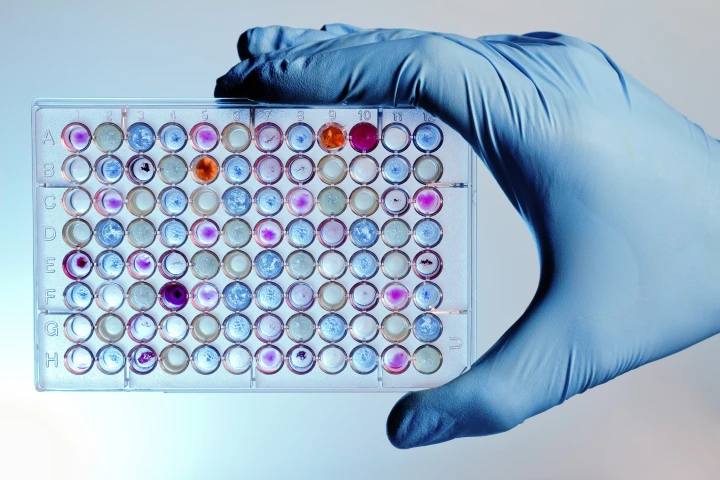 The world's data has to be stored somewhere, and huge servers take up heaps of physical space and require huge amounts of energy. Now, Harvard researchers have developed a new system for reading and writing information with organic molecules, which could sit stable and secure for thousands of years.
 -
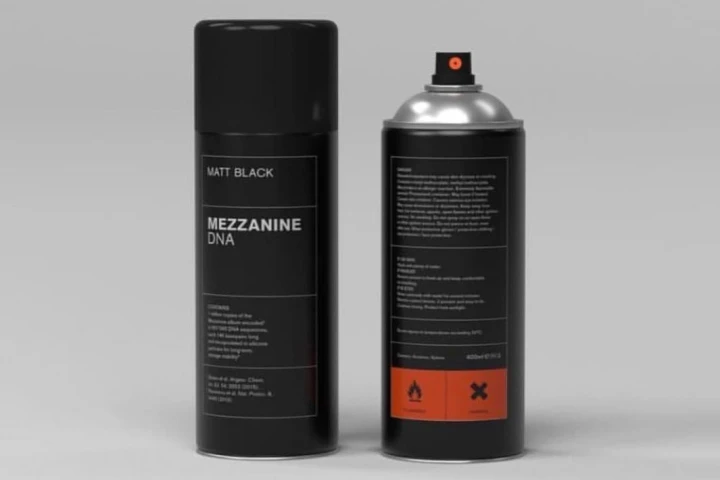 Earlier this year British electronic music group Massive Attack revealed it was storing its classic album Mezzanine in DNA. Now it's been announced the DNA will be available in a limited release of spray paint cans, with each spray can estimated to contain around 1 million copies of the album.
 -
 British electronic music icon Massive Attack is marking the 20th anniversary of the release of its most successful album – Mezzanine – by having it stored in DNA molecules. Digital audio will be translated into genetic code and stored in DNA strands housed in tiny glass beads.
 -
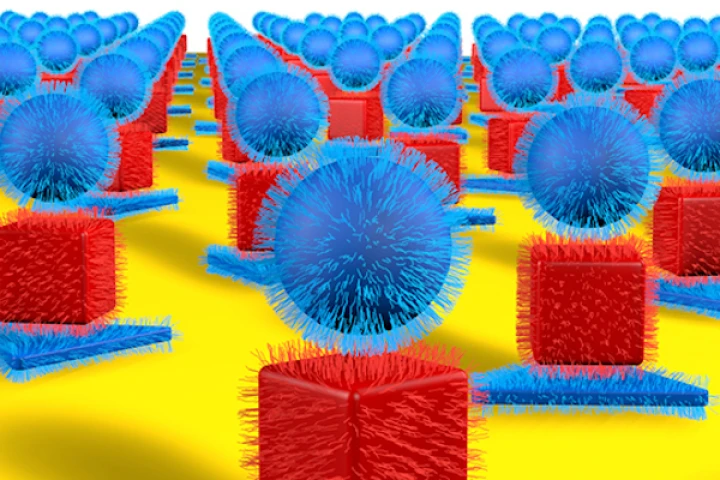 Researchers have developed a new technique to make metamaterials with nanoscale structures that can be tuned with strange optical properties. Using DNA-modified gold nanoparticles, the team could change the material's color, opening the door for new sensors or cloaking devices.
Load More