
Drone laws
-
 Zipline has developed and patented an AI-driven safety system it says allows autonomous drones to detect and avoid other aircraft and drones up to 2 km away in all directions, using a light, cheap and robust microphone array. Will it satisfy the FAA?
 -
 New research is adding some clarity to the reasons behind the rising number of drone incidents, suggesting that more often than not, technical glitches rather than piloting errors are to blame.
 -
 We’re tech optimists here at New Atlas, and that goes for small-scale unpersoned aerial vehicles. But clearly there’s something about their potential for snoopery that disgruntles the house-proud. Judging by the technology on this list someone somewhere thinks there’s an anti-drone buck to be had.
 -
 Looking to avert gridlock at altitude, NASA has been working on an air traffic management system for drones, and today is carrying out its first coordinated testing to see just how well it can accomodate flights at different locations across the country.
 -
 Last month, Amazon was given permission to test a delivery drone prototype in the US, but there was a hitch – the vehicle cleared for use had already become obsolete. Now the agency has granted Amazon a green light to put its current models to the test.
 -
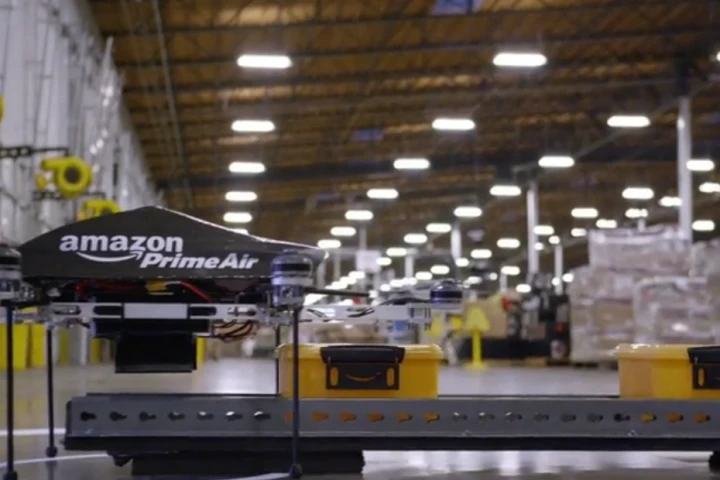 Amazon has taken its Prime Air operations north of the US border to develop its delivery drones with greater regulatory freedom. A report in The Guardian on Monday revealed that the company has been testing its drones for the last few months at a top secret site in British Columbia, Canada.
 -
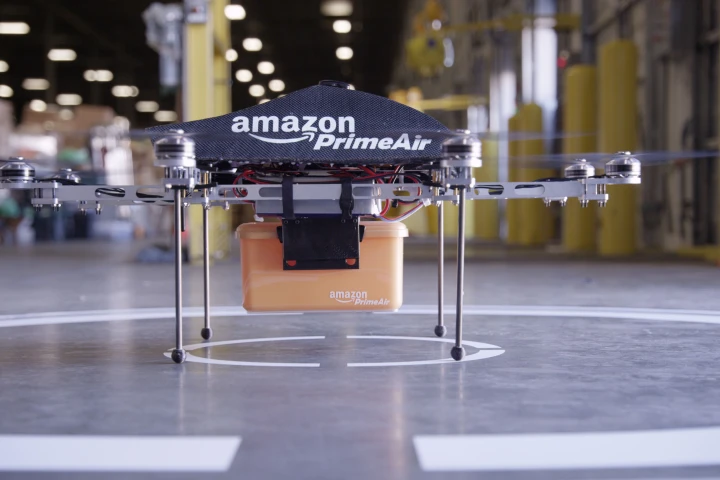 In welcome news for businesses banking on the commercial potential of unmanned aerial vehicles (UAVs), the Federal Aviation Administration (FAA) has put forward a proposal for guidelines surrounding commercial drone use.
 -
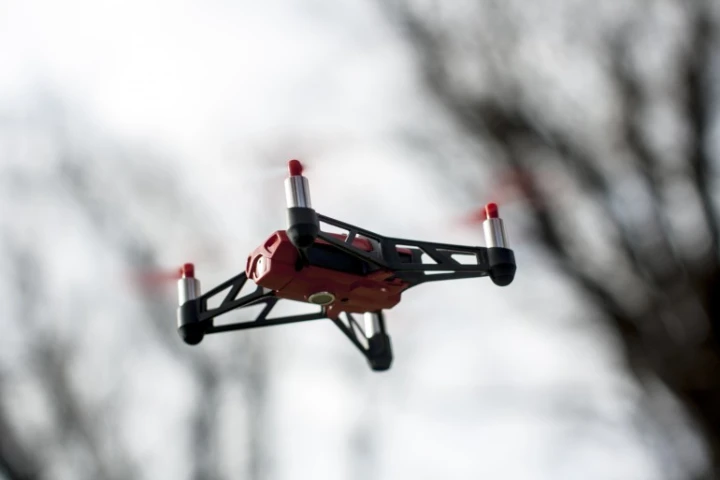 Questions of privacy and how drones can be regulated are pretty well-founded, but are so far yet to be met with any convincing answers. NoFlyZone.org may go some way to providing a solution, allowing users to enter their address to create drone no-fly-zones in the airspace over their homes.