
Fire-Proof Coatings
-
 As part of its 3-part DIY home wildfire protection kit, Safe Soss has patented an innovative spray bottle that connects to a standard garden hose to disperse a fireproofing spray that becomes a fertilizer to promote regrowth.
 -
 The communications and nutrients support system of fungi, mycelium, can stretch hundreds of miles beneath our feet. Now, researchers have harnessed another of its bio-superpowers to engineer a sustainable, safe and effective fire-retardant material.
 -
 Firefighters have a dangerous job at the best of times, but especially so when they're first entering burning buildings. A new flame-resistant drone could help, by scouting structures to let firefighters know what they'll be up against.
 -
 Although glass is known for being fully recyclable, the US Environmental Protection Agency states that only about one third of post-consumer glass actually gets recycled. A new glass-based building cladding material could help boost that number.
 -
 Although fire-resistant windows do already exist, they contain a carcinogenic gel, plus their production generates a lot of waste. A new technology that works in the same basic fashion, however, is claimed to be much safer and less wasteful.
 -
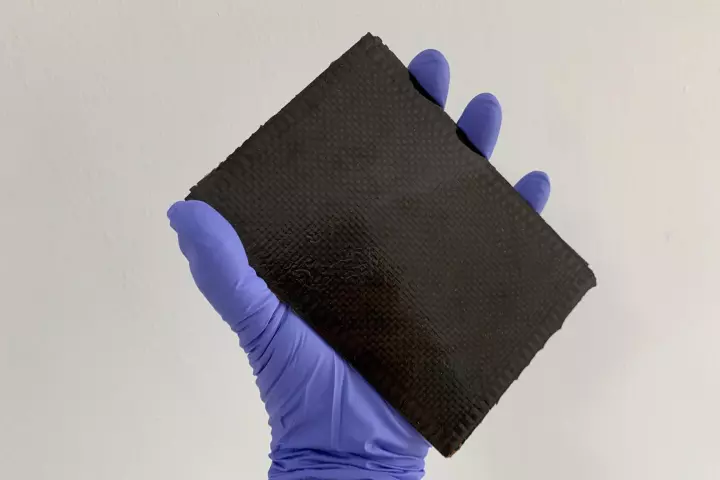 Carbon fiber composites may be light and strong, but making them resistant to fire has been a challenge. Now, though, Korean scientists have discovered that a plant-derived substance both keeps them from burning and makes them easier to recycle.
 -
 Scientists are developing plant-based fire retardants, which should be less toxic and more eco-friendly.
 -
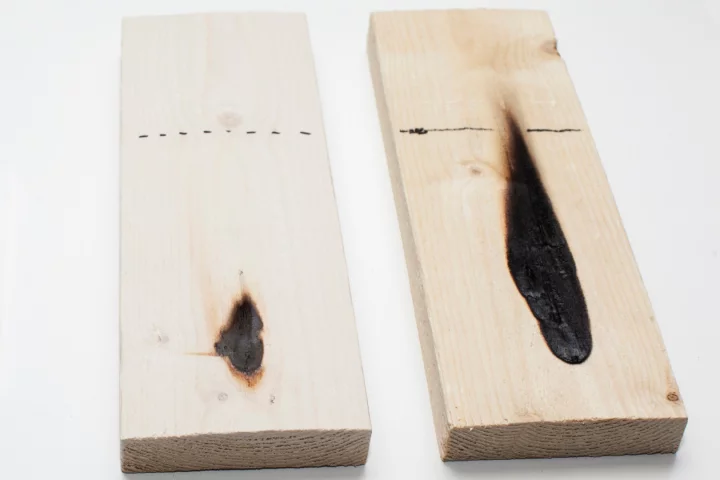 Wood is an established and versatile construction material, used to build everything from high-rises and airports to apartment buildings. It also, however, is not immune to catching fire. A new coating could help keep that from happening, and it's actually made from wood.
 -
 Given that they're applied to items such as furniture and home insulation, it would really be best if flame-retardant coatings didn't emit toxic fumes. That's why scientists from Texas A and M University have developed a non-toxic alternative, made from natural renewable materials.