
Medication
-
 Lumbar support braces designed to provide relief from chronic low back pain may not be as effective as people have been led to believe, with scientists finding that recommendations are based on low-quality evidence.
 -
 Any sort of list is fraught with subjectivity, and perhaps none more so than one ranking the world's greatest technological achievements in order from 100 to one. This week, two tech experts bravely took on this historic task – and it's a wild ride.
 -
 The 2023 James Dyson Award global winners have been announced. The prizes have gone to three different student teams, each of which offers novel solutions to modern issues including global warming and providing care in war and disaster zones.
 -
 While there are now a number of handheld systems for checking if a medication is the genuine article or a counterfeit, most require users to access an online database. The SmartID system, on the other hand, works entirely offline.
 -
 Candy sprinkles may make desserts more interesting, but a scientist has developed what could be a much more valuable use for them. His CandyCode system might one day be utilized to confirm that supposedly authentic pills aren't actually counterfeits.
 -
 If you want pharmaceuticals to be cheap and plentiful, then you need a fast and inexpensive way of making them. With this in mind, Canadian scientists are developing a system that encapsulates liquid medication more speedily than ever before.
 -
 The human body is full of wildly different environments, so any robots exploring them need to be able to adapt on the fly. Now, researchers at EPFL and ETH Zurich have developed micro-robots that can automatically morph in response to their surroundings.
 -
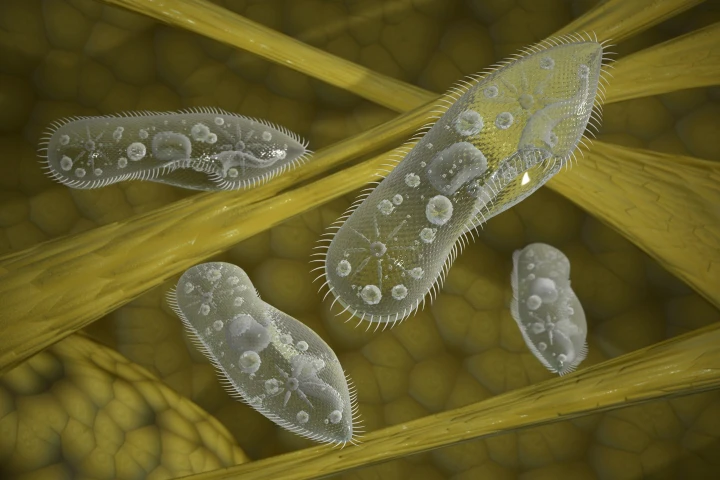 Science fiction is fast becoming reality, with scientists in South Korea developing an astonishingly fast-moving remote-controlled microrobot designed to travel through the human bloodstream to deliver treatment directly to the organs that need it.
 -
 San Francisco-based biotech startup Pembient is developing what it hopes could be a solution to rhino poaching. It's inexpensive bioengineered rhino horn, which could out-compete the genuine item.
 -
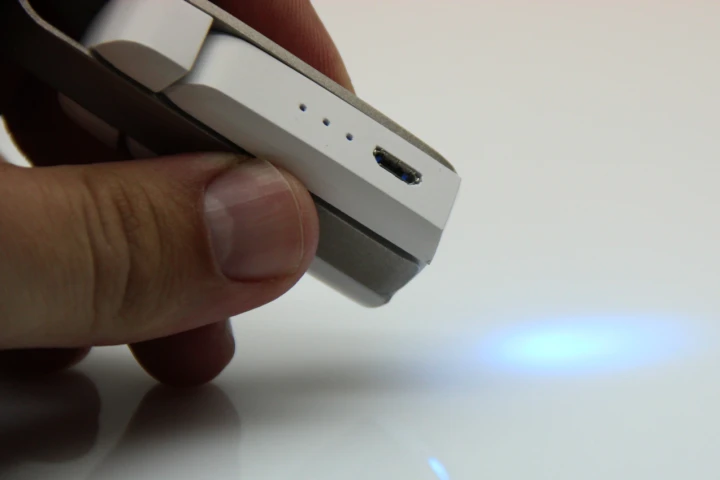 Wondering how nutritious that food is, if that plant needs water, or just what that misplaced pill is? Well, the makers of SCiO claim that their device is able to tell you all of those things, plus a lot more. To use it, you just scan the item, then check the readout on a smartphone.
 -
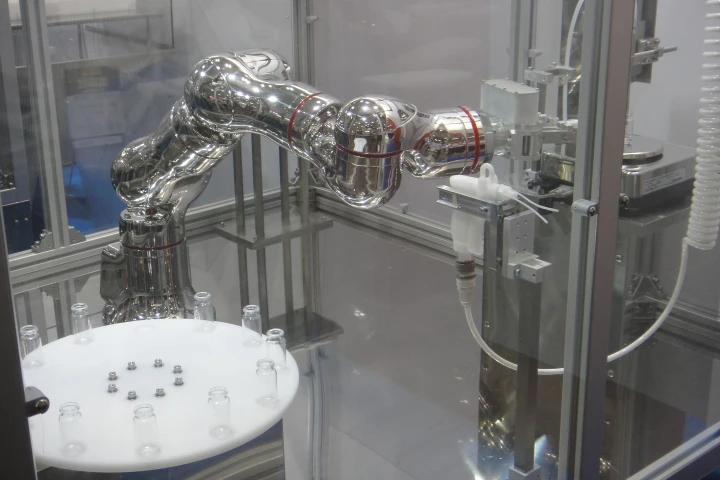 Kawasaki Heavy Industries' MSR05 robotic arm is encased entirely in stainless steel, for easy sterilization using hydrogen peroxide gas.
 -
 Dog-e-Minder is a battery-powered three-button device that clips to your pet's collar to record your dog last had a meal, some exercise and its medication.