

Stroke
The latest scientific research and clinical treatment advances around stroke.
Random related stories from our 25-year archives

Researchers have identified a new molecular pathway that stimulates injured brain cells to repair themselves after an ischemic stroke. The discovery may help limit or reverse the damage caused by the condition and promote recovery.

New research shows that waiting too long in the day to have your first or last meal could have a negative impact on cardiovascular health. The study, which used data from 103,389 people, says that every hour counts when it comes to your mealtimes.

When someone has experienced a stroke, they may require a surgical procedure known as an endovascular intervention. A new MIT-designed robotic system could ensure that they receive the treatment quickly, even if the physician is nowhere nearby.
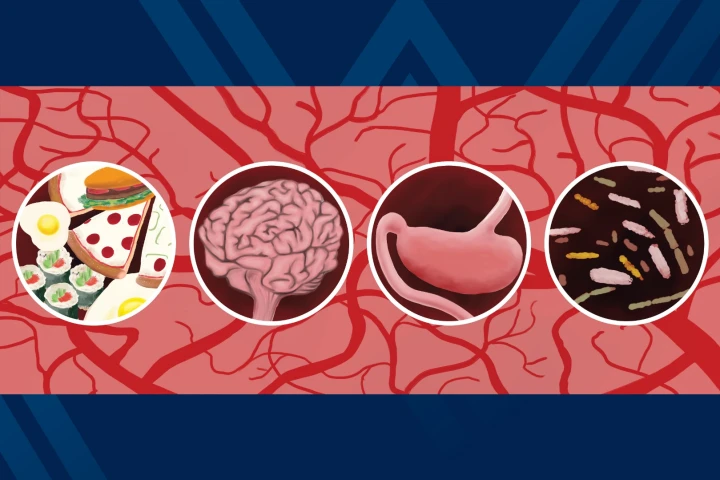
A study has revealed distinct changes can be observed in an animal’s microbiome after suffering from an induced stroke. These alterations were found to persist for several weeks following the stroke, adding new evidence to the compelling gut-brain connection.

Most treatments for strokes aim to help reduce or repair damage to affected neurons. But a new study in mice has shown that a drug already in use could help stroke patients regain motor function by getting undamaged neurons to pick up the slack.

What does gut fermentation and neuroinflammation have in common? A lot, according to new research that uncovers how the post-stroke microbiome directly influences brain health and recovery. It opens the door to new ways of restoring cognitive function.
Latest News
-
 November 12, 2026 | Bronwyn ThompsonA first-of-a-kind daily oral blood thinner has been approved by the FDA to prevent clotting in people who have already experienced a stroke or what healthcare professionals call "mini" episodes. Secondary strokes are more dangerous than many realize.