
Muscle
-
 Tracking every rep is no fun, So Fort's new screenless wearable does it for you. It automatically logs sets, reps, rest, tempo, and more while you focus on getting your gym on.
 -
 Using paired smartphones, motion-capture app OpenCap films video and then uses AI to analyse human movement, providing detailed data for use in rehabilitation, presurgery plans and disease diagnostics – and is 1% of the cost of traditional technology.
 -
 Currently, almost all powered prosthetic hands utilize electrodes that detect the user's muscle impulses and convert them into hand movements. A new system which is in development, however, should reportedly work better by utilizing ultrasound.
 -
 Smart textiles and patches are the near future of home health monitoring. The latest in this burgeoning field of medical therapies is one that impressively keeps an eye on your muscles in real time, helping with both injury recovery and prevention.
 -
 Researchers have developed a new type of artificial muscle that’s entirely made out of natural proteins. Responding to changes in its environment allows the muscle to flex on demand, which could make it useful for implants, prosthetics or robots.
 -
 "Muscle shirt" may soon take on a whole new meaning. A team has found a way to use bacteria to produce synthetic muscle proteins, which can then be spun into fibers to make clothing, protective gear and biomedical implants and prosthetics.
 -
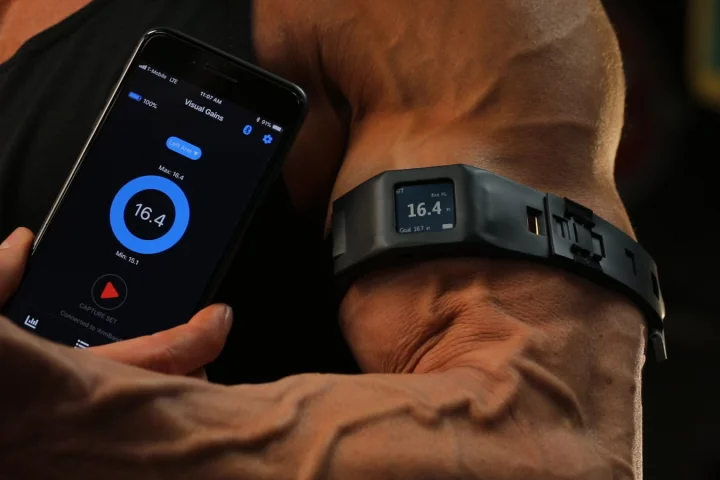 Bodybuilding, as its name pretty much implies, is all about gettin' big muscles. And while a tape measure can be used to measure the growth of those muscles every now and then, XLFLEX is designed to motivate users by providing them with ongoing real-time measurements AS they're working out.
 -
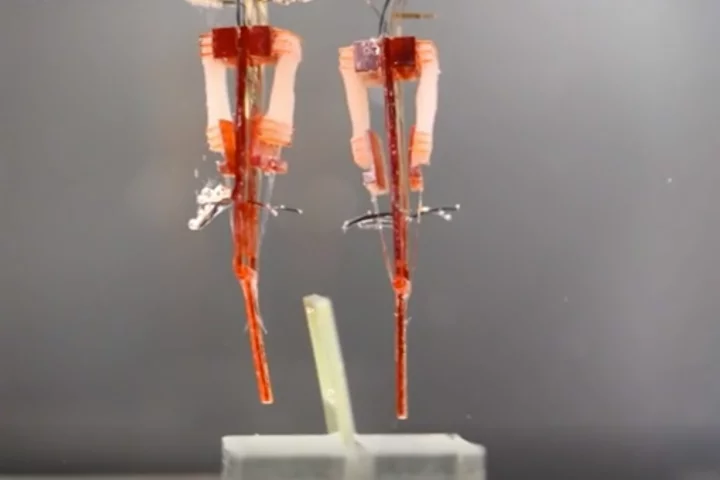 Why start from scratch when nature has already designed better robot materials and parts than ours? Japanese researchers have now developed a new way to integrate living muscle tissue onto a robotic skeleton, and make it move in a realistic way that takes some of the strain off.
 -
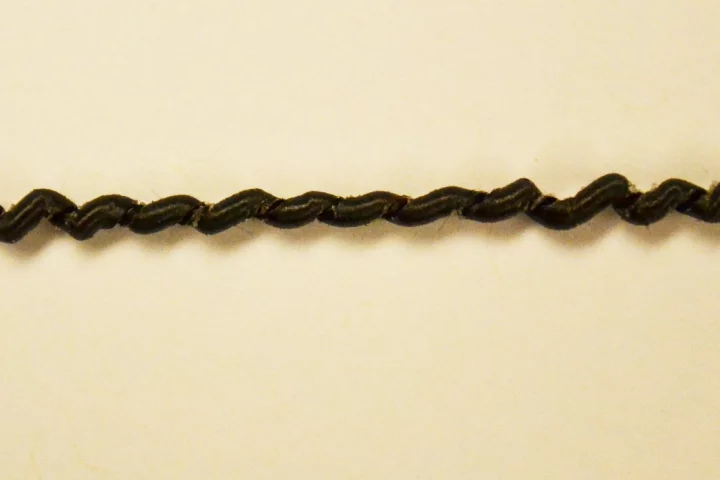 Researchers from the Department of Mechanical Science and Engineering at the University of Illinois have developed an artificial muscle made of carbon fiber and rubber that can lift over 12,000 times its own weight.
 -
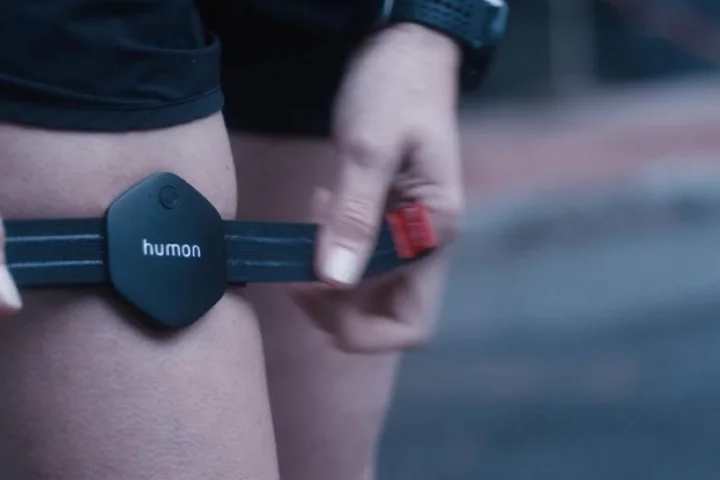 What initially started out as a MIT research project has now become the Humon Hex, a fitness wearable that can measure how an athlete’s muscles are using oxygen in real time.
 -
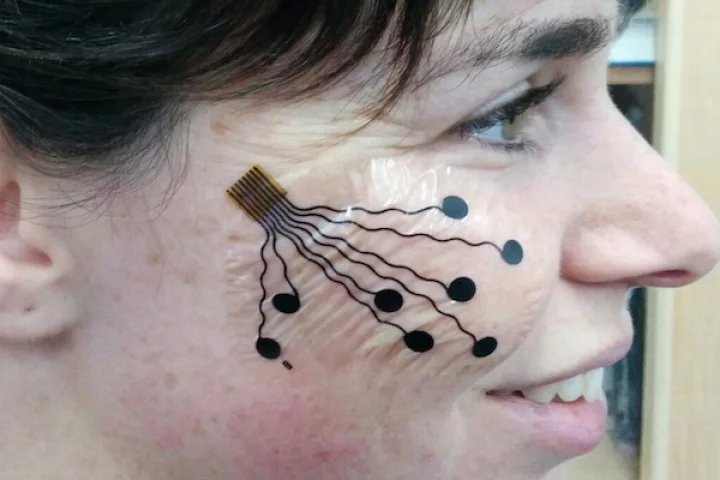 A team at Tel Aviv University's (TAU's) Center for Nanoscience and Nanotechnology have developed an alternative to the invasive needle electrodes used in electromyotherapy, in the form of an electronic "tattoo" that unobtrusively monitors muscle activity.
 -
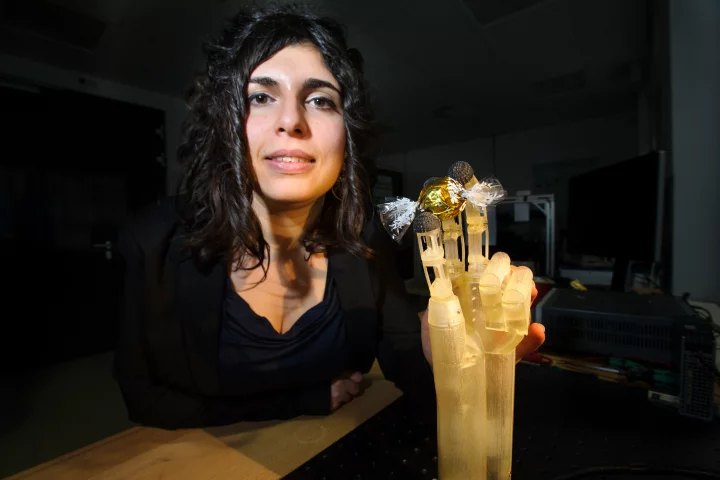 Engineers from Germany's Saarland University have taken a unique approach with their prototype artificial hand. It moves its fingers via shape-memory nickel-titanium alloy wires, bundled together to perform intricate tasks by working like natural muscle fibers.
Load More