
Oregon State University
-
 Although we've heard a lot about how 3D-printing concrete homes speeds up the construction process, you still have to wait up to 28 days for the concrete to sufficiently cure. A new printable substitute, however, is ready to go in just three days.
 -
 Two-legged robot Cassie has recently developed an ability to run, something its developers have now shown off by having it complete what they say is the first 5-km (3.1-mi) jog by a bipedal robot.
 -
 Some day in the not-too-distant future, a bipedal robot may carry a package to your front door. That scenario is envisioned by Jonathan Hurst, CTO of Agility Robotics. To that end, his group has developed an ostrich-like two-legged walking robot … and it's called Cassie.
 -
 A new thermochemical system is able to store energy from concentrated solar power plants indefinitely and then release it at record efficiency, in what could be an important step toward a greener energy grid.
 -
 Coming hot on the heels of MIT's leaping and bounding robotic cheetah is Oregon State University's ATRIAS bipedal robot. The team behind this ostrich-like machine has showcased its latest talent, the ability to blindly walk over the top of obstacles in its path.
 -
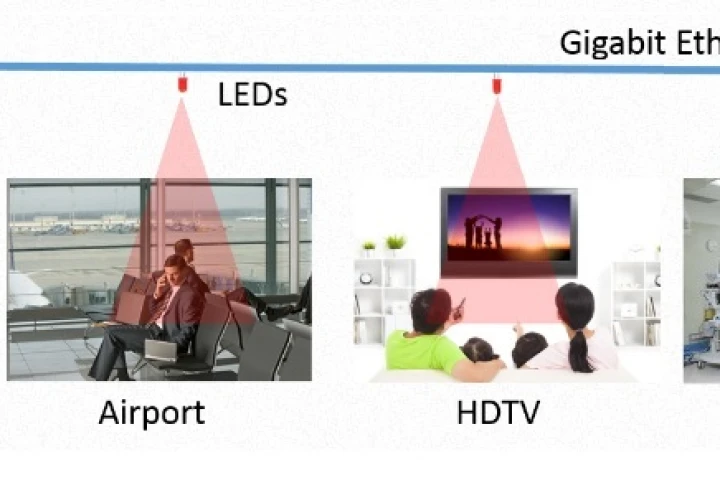 Researchers at Oregon State University claim to have created a prototype system that incorporates infrared LEDs to boost the available Wi-Fi bandwidth by as much as ten times. Dubbed WiFO, the invention may help meet the ever growing need for connectivity in increasingly Wi-Fi-enabled devices.
 -
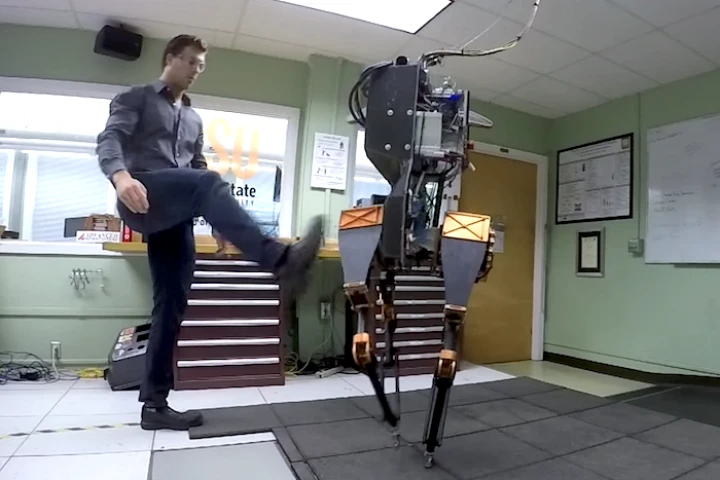 ATRIAS is a project of Oregon State University's Dynamic Robotics Laboratory built to research the science of walking and running with the ultimate goal of creating a robot that can make its way over rough terrain while "standing."
 -
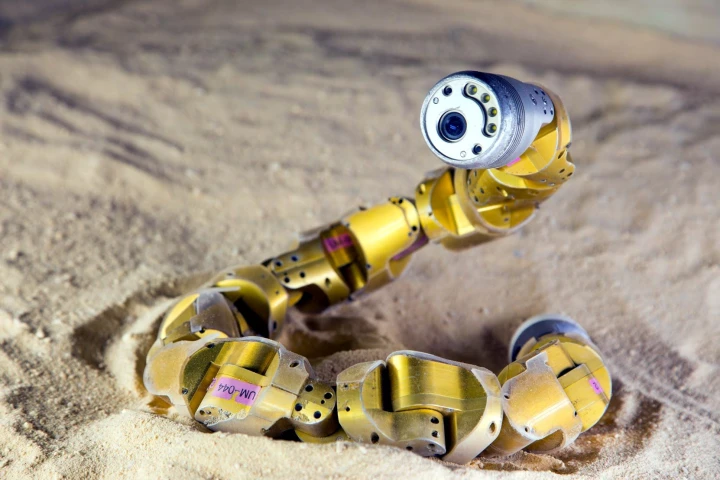 Scientists recently studied one of the best sand-travelers in the animal kingdom – the sidewinder rattlesnake. After they analyzed its movement patterns and applied them to an existing snake-inspired robot, that robot was better able climb up sandy inclines.
 -
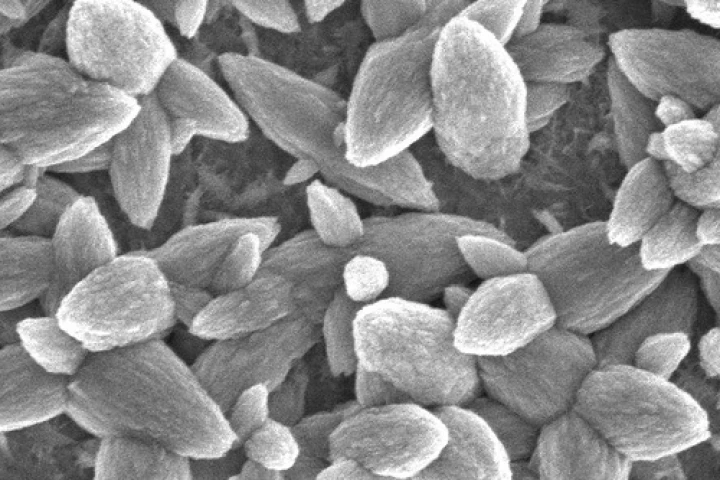 Zinc oxide coatings on copper or aluminum substrates has proven the best heat dissipation technique yet.