
Shipping
-
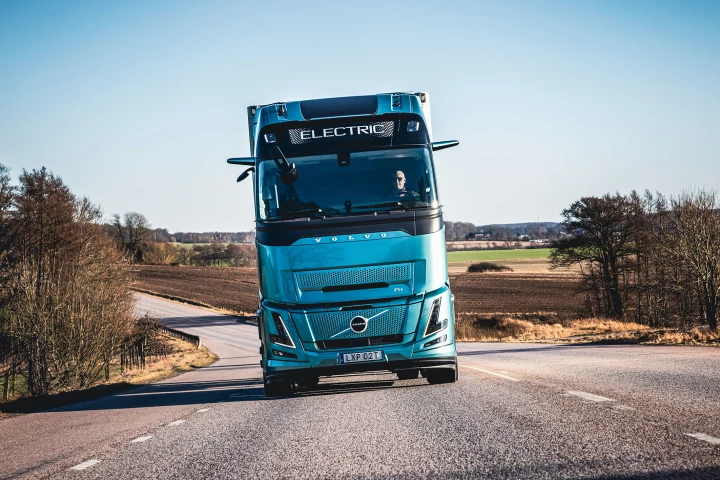 Volvo has long been a leader in the long-haul heavy-truck category with its FH series. Its 12 to 16-liter diesel "world engine" made excellent power output, lower emissions, and relatively low fuel consumption. Next year, it'll be powered by batteries.
 -
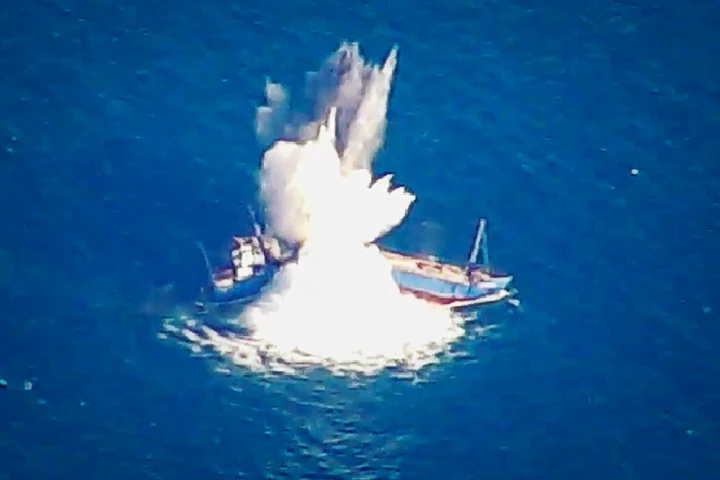 The US Air Force has released video of a ship getting ripped in half, to demonstrate its new Quicksink weapon, which turns an inexpensive dumb bomb into a precision anti-ship missile – and lives up to its name in spectacular fashion.
 -
 Lloyd's Register and nuclear startup Core Power are joining forces with shipping company Maersk to study how to update regulations as part of an effort to introduce Gen IV nuclear reactors to power the next generation of zero-carbon-emission cargo ships.
 -
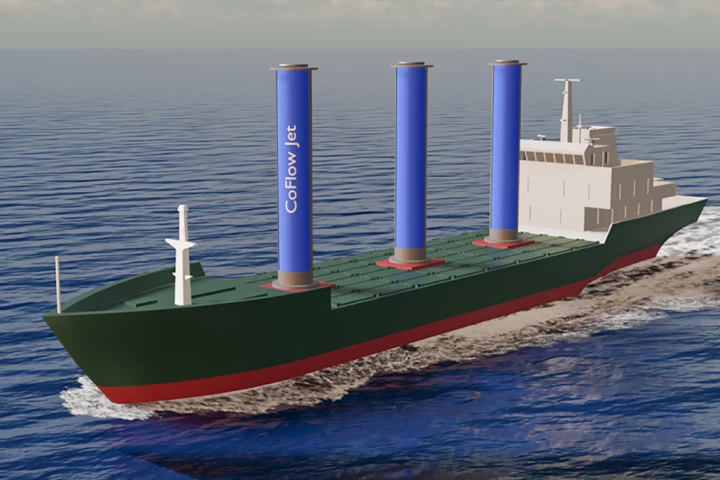 Looking like a set of bridge supports that were accidentally installed on a cargo ship, a new wind-driven system by startup CoFlow Jet promises to reduce ship fuel costs by up to 90% using stationary cylinders with no moving parts.
 -
 In the Belgian North Sea, maintenance vessels are now able to tether to an automatic cable at a wind farm to get their batteries topped up. The innovative system is the first of its kind and a major step in helping reduce emissions from shipping.
 -
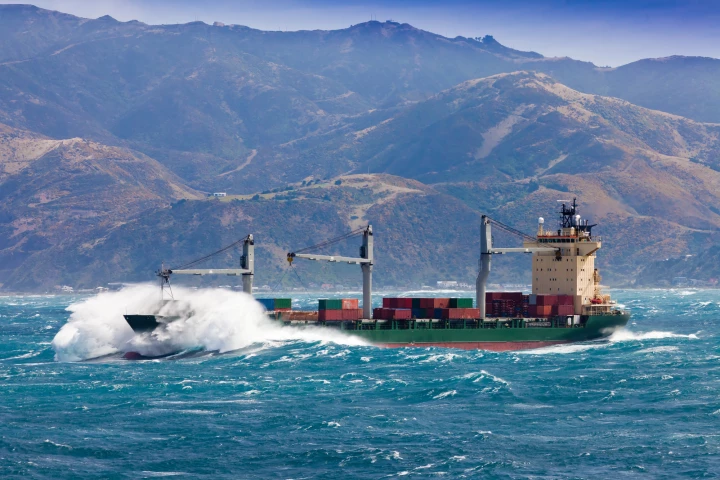 Unpredictable monster waves at sea can severely damage ships and offshore platforms, putting the lives of those who work on them at risk. A new system out of the University of Maryland uses a neural network to provide valuable early-warning alerts.
 -
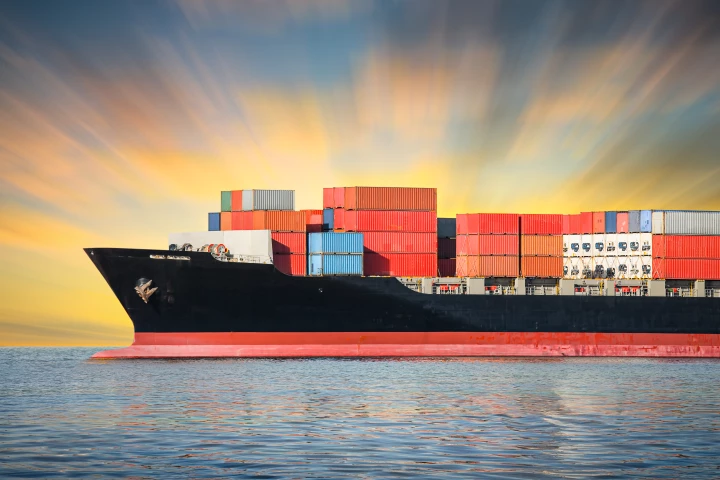 That's without any modification to the ships themselves, too. The ambitious 'Blue Visby Solution' proposes enormous fuel and emissions savings for cargo ships worldwide, simply by being smarter about speed and timing and eliminating inefficiencies.
 -
 Earlier this month, we featured a Whale Design propeller that looked to nature for improved efficiency. Switzerland's ABB Marine has also been inspired by "the dynamic motions of a whale's tail" for its multi-blade Dynafin propulsion concept.
 -
 Transporting goods by inland waterways can be a dirty business, but an EU-backed project is looking to clean up its act – launching a container vessel powered by green hydrogen on a major cargo route between the Netherlands and Germany.
 -
 A remarkable pilot project installed on a 240-m (787-ft) container ship has proven it's possible to capture at least 78% of emissions from the smokestacks of cargo ships and convert the CO2 into limestone pebbles, which can be offloaded and sold.
 -
 Back in 2021, Crowley commissioned the building of the first electric tug to assist ships in a US harbor. Now the company has taken delivery of the eWolf, ahead of operational duty at the Port of San Diego later this year.
 -
 Ships can become mobile wave energy converters, say Chinese researchers, using "heaving oscillators" that draw power from heaving, rolling and pitching movements as they move through the sea, while also acting as motion dampers to improve safety.
Load More