
superconductor
-
 A brand new form of silicon might help extend its use into the future. Engineers at North Carolina State University have discovered a material called Q-silicon, with new properties that could have important uses in quantum computers and spintronics.
 -
 Scientists at the University of Rochester claim to have created a material that acts as a superconductor at room temperature and lower pressures than ever before. If confirmed, this “reddmatter,” as they call it, could mark a major breakthrough.
 -
 A TU Delft team has demonstrated a one-way superconductor that gives zero resistance in one direction, but blocks current completely in the other. The discovery, long thought impossible, heralds a 400x leap in computing speed and huge energy savings.
 -
 Graphene just keeps getting weirder. Engineers at ETH Zurich have now managed to tweak the overachieving material so that some parts of a flake can be an electrical insulator while other areas act as a superconductor, just nanometers apart.
 -
 Some advanced electronic devices only function at extremely cold temperatures. Now engineers at NIST have developed a tiny cryogenic thermometer that uses a new mechanism to keep an eye on these sensitive instruments without taking up much room.
 -
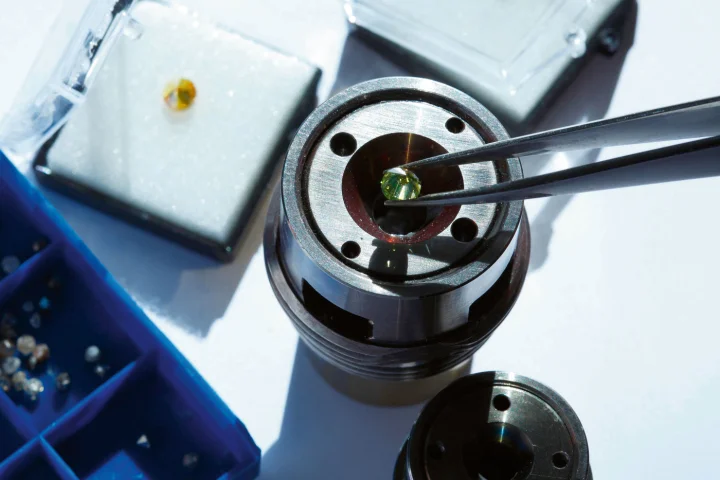 Superconductors can conduct electricity with absolutely no loss, so they could be revolutionary if not for one little problem: they only work if kept extremely cold. But now researchers at Max Planck have reported a new record high temperature for superconductivity, at a toasty -23° C (-9.4° F).
 -
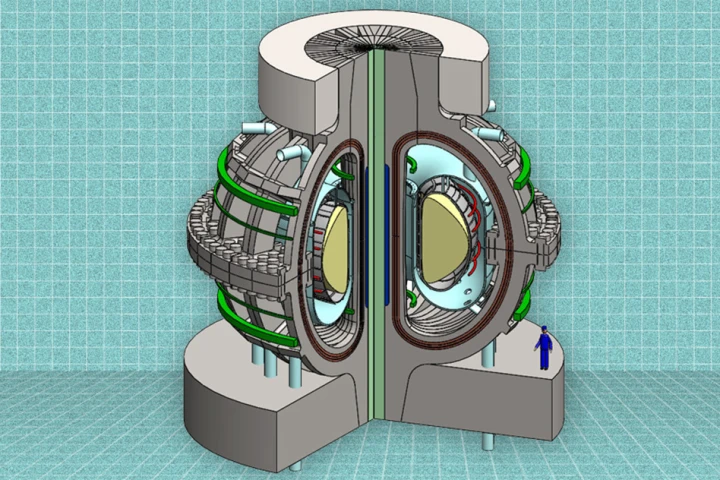 MIT's new compact tokamak fusion reactor design is based on the latest magnetic superconductor technology. The ARC (affordable, robust, compact) reactor design promises smaller, cheaper reactors that could make fusion power practical within 10 years.
 -
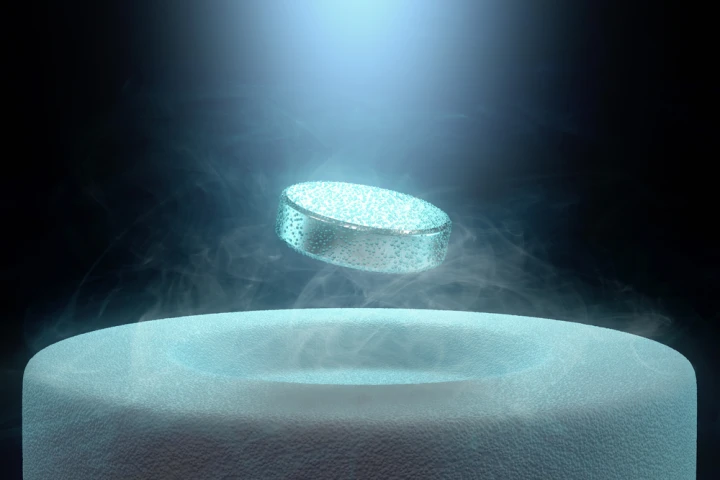 Scientists at the University of Southern California (USC) have made steps toward discovering a new family of superconductor materials that work at relatively high temperatures, with possible applications in physics research, medical imaging and high-performance electronics.
 -
 UCSB's new general-purpose quantum computer has separate CPU, memory, and programming electronics.
 -
 The VoltAir is a concept all-electric airliner, that could be flying within 25 years.
 -
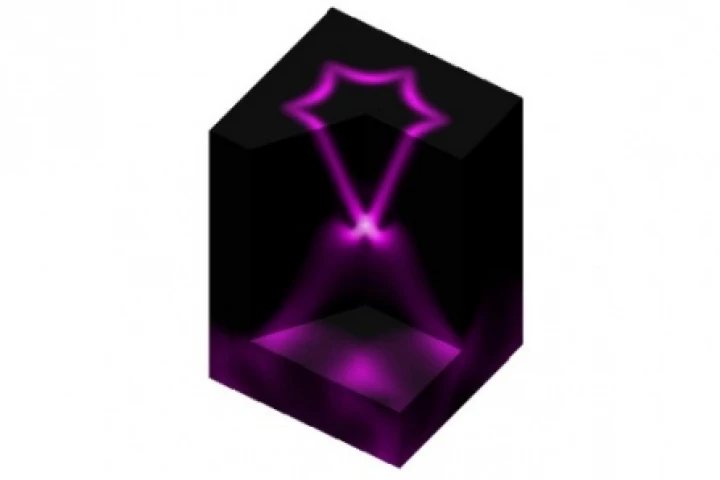 A newly discovered material could make heat dissipation in electronic circuits a thing of the past.