
Touch
-
 Last year we heard about an "electronic skin" developed at City University of Hong Kong, which delivers tactile sensations to wearers. The university has now gone one better, with an e-skin that both senses and reproduces users' touches.
 -
 While technology is making strides in absorbing our eyes and ears in virtual worlds, it’s harder to engage senses like touch. Engineers have now developed WeTac, a thin, wearable electronic "skin" that provides tactile feedback to users in VR and AR.
 -
 Facebook recently rebranded as Meta, with an eye toward the development of VR/AR tech. In one of its first projects since the announcement, it's collaborating with Carnegie Mellon University on the development of a touch-sensitive electronic skin.
 -
 There are now a number of materials designed to give robots or prostheses a sense of touch. And while most of them are thin and skin-like, a new alternative takes the form of a spongey foam – and it combines several desirable qualities.
 -
 There are currently a number of groups developing touch-sensitive electronic skin for robots. Scientists at Cornell University are pursuing a simpler approach, however, using shadow-imaging cameras to let robots know when they're being touched.
 -
 When we pick up an object, we can adjust our grip if that object proves to be a slippery customer. ETH researchers have developed a sensor that could help robot grippers to do the same.
 -
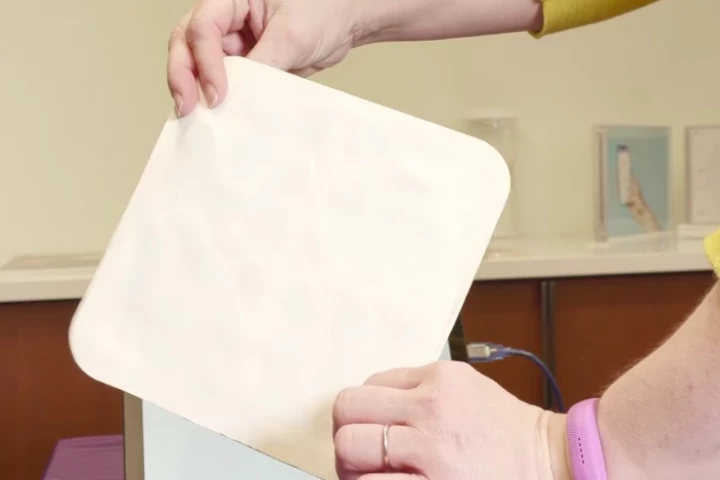 Although VR tech may allow users to see and hear computer-generated environments, the extent to which people can feel those worlds is still quite limited. That could be about to change, though, thanks to what's being called an "epidermal VR" system.
 -
 A human-sized robot has been equipped with 1,260 cells to create what is claimed to be the first autonomous humanoid robot with artificial skin covering its entire body.
 -
 Scientists have added tactile sensors to a prosthetic leg, allowing users to walk with much less effort.
 -
 If you were trying to remotely operate a robotic hand, it would certainly makes things easier if you could feel what it was touching. Such a system was demonstrated this week at the Amazon re:MARS Tech Showcase, utilizing technology from three separate companies.
 -
 Cemtrex might not be well known in the world of office kit, but that hasn't stopped it launching what it regards as "the most advanced workstation on the market." And with everything it's shoehorned in – including a gesture control system dubbed the "Stark Gesture System" – it may well be.
 -
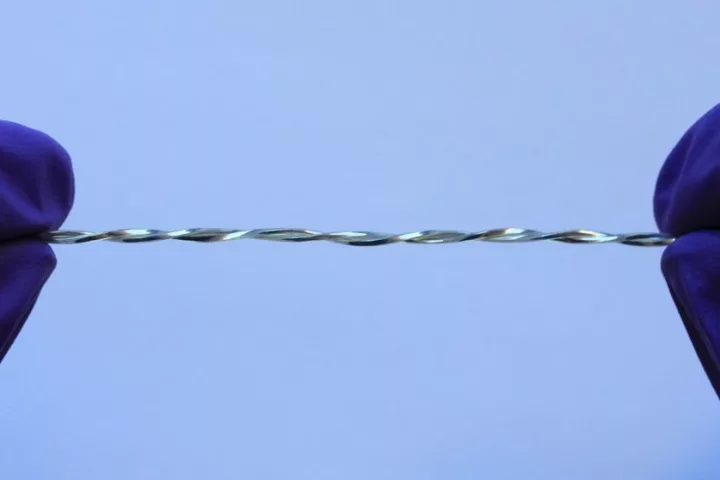 We're used to touchscreens, but now researchers have created new, touch-sensitive fibers that can be used to interact with electronic devices. The microscopic fibers capable of detecting touch, strain and twisting, which could lead to new sorts of wearable devices and sensing applications.
Load More