
University of South Australia
-
 Using more sludge and less slag in their recipe, researchers were able to create a material that's stronger than even today's enhanced cements and highly resistant to corrosion by acid. It could solve a serious problem facing sewer pipes worldwide.
 -
 Researchers in Australia are working on a way to lower the cost of producing solar thermal energy by as much as 40% with the help of shatterproof plastic rear-view mirrors originally designed for cars.
 -
 Engineers at the University of South Australia have taken a page from the days of wooden sailing ships and developed a way for drones to navigate by the stars at night using simple, lightweight equipment for areas where GPS signals aren't available.
 -
 Updating an ancient form of health diagnosis with modern machine learning, researchers have developed a remarkable system that can reveal a range of medical conditions including asthma and diabetes just by looking at your tongue. It aced its tests.
 -
 The health of Australian military personnel could soon be monitored using data collected by smartwatches and wearable devices and analyzed using a machine learning algorithm thanks to a new project designed to detect biological and chemical threats early.
 -
 A new study has assessed the value of concrete made with crumb rubber from discarded tires by using it as a residential slab and monitoring its performance over several years, where it outshone conventional concrete in a number of ways.
 -
 The hoverfly has an extraordinary ability to see and track moving objects in very low light, and Australian researchers have replicated its signal-to-noise-boosting vision systems to process sound data, detecting and tracking drones up to 4 km away.
 -
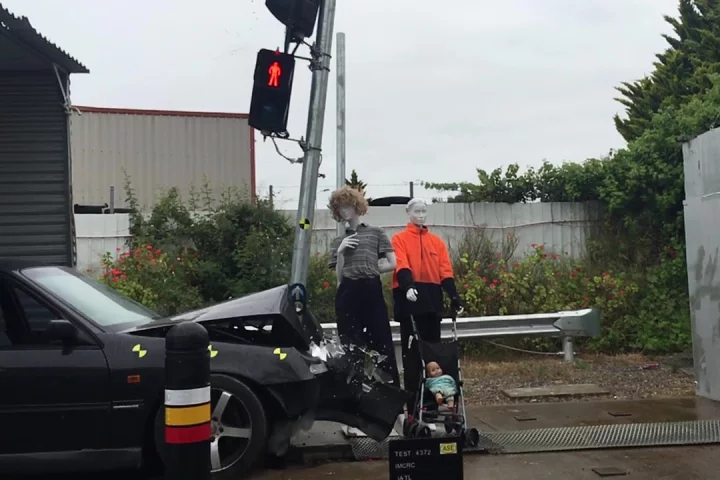 When a car crashes into a roadside object at an intersection, chances are pretty high that object will be a traffic light pole. If it's a new energy-absorbing pole, however, the likelihood of injury or even death may be significantly reduced.
 -
 An international team of scientists has turned to swifts for inspiration to produce a bird-inspired drone with flapping wings that can hover, dart, glide and dive, all while weighing the same as two tablespoons of flour.
 -
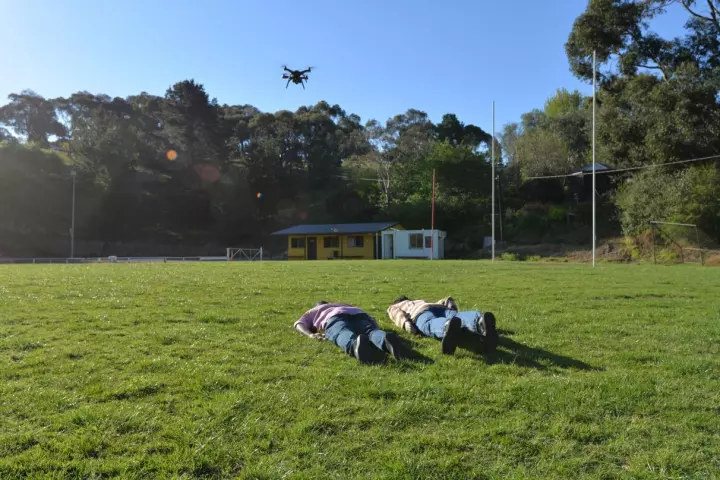 Among the proposed uses for drones, one of the most compelling is the search for survivors at disaster sites. That process could soon be more efficient, thanks to a system that allows drone cameras to differentiate between living and dead bodies.