
University of Toronto
-
 Glass-filled polypropylene is already a very commonly used plastic for automotive parts, but could it be improved? Well, yes. A new substance, Gratek, is claimed to make the plastic 20% stronger yet 18% lighter, thanks to the addition of graphene.
 -
 Using a new technique called nanoscale fletching, scientist have created a high-performing nonstick coating that repels water and oil – without the PFAS profile. It's a big step toward the elusive "holy grail" of a safer, greener Teflon.
 -
 In another instance of AI making itself genuinely useful, researchers at the University of Toronto have identified a better catalyst for the production of green hydrogen using AI – saving themselves years in experimentation.
 -
 Anyone who's been to karaoke night at a bar knows just how dramatically altered our voices get after throwing back a few drinks. Scientists have now shown that analyzing these vocal changes is a surprisingly good way to see just how drunk we are.
 -
 There are already "smart" windows that can be electronically switched between either letting sunlight through or blocking it. A new multi-layered one, however, can be set to several energy-saving light filtration modes.
 -
 A new solar cell packs a record voltage and (arguably) a record efficiency for its kind. The tandem solar cell uses two layers of perovskite that tap into different wavelengths of light, plus a special surface treatment reduces wasted energy.
 -
 A large percentage of a building’s energy usage is consumed by heating and cooling, but a new dynamic shading system could help. Inspired by the skin of krill, the system uses cells of blooming pigment that can block light on demand.
 -
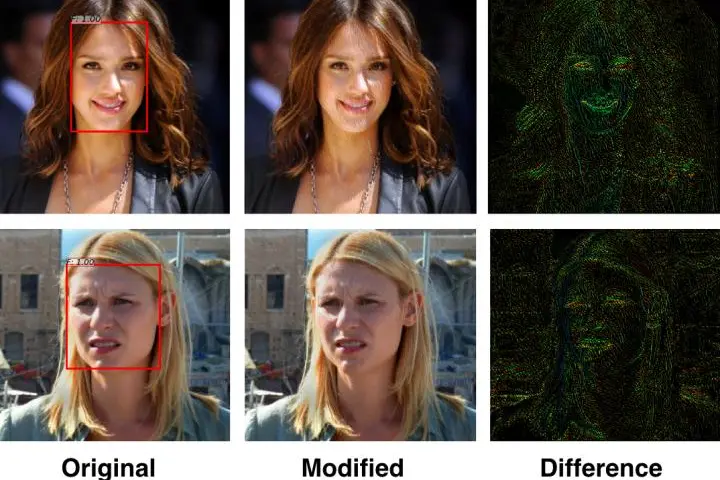 Don't like the idea of a stranger finding out who you are, based on a photo? Thanks to the facial recognition systems used by social media sites, it's becoming increasingly possible. Scientists decided to do something about it, by turning a couple of AI systems against one another.
 -
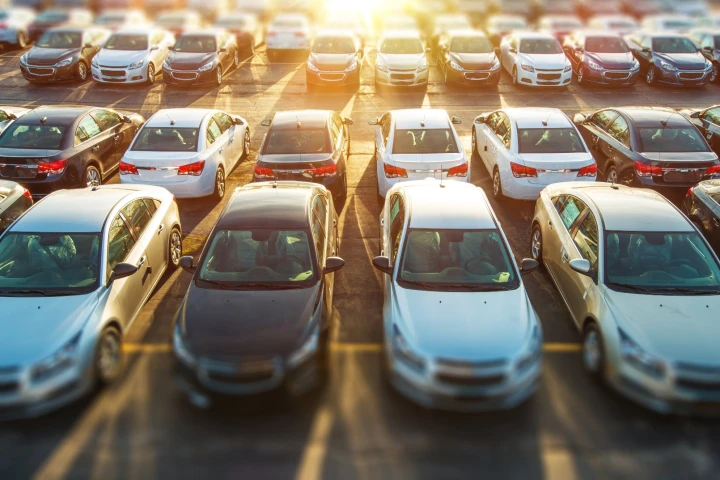 Autonomous cars could prove to be splendid news for parking, according to new research from the University of Toronto. Because self-driving cars can park themselves, you can cram many more cars in. But according to the researchers, if autonomous cars work together, even more space can be saved…
 -
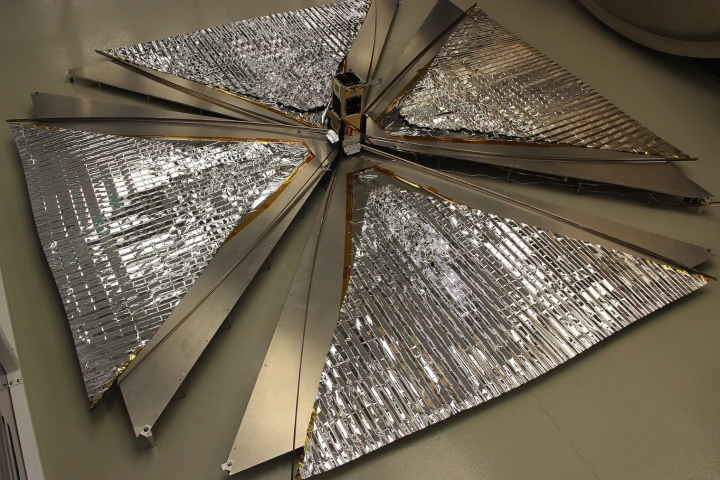 After spending seven months tracking aircraft, CubeSat CanX-7 has started the second phase of its mission, deploying four drag sails to help it fall to Earth faster. The system is designed to demonstrate ways that spacecraft could dispose of themselves post-mission, to help the space junk problem.
 -
 A new probabilistic artificial intelligence algorithm is displaying the remarkable ability to learn complex visual concepts in a single shot and manipulate them in ways that are indistinguishable from humans.
 -
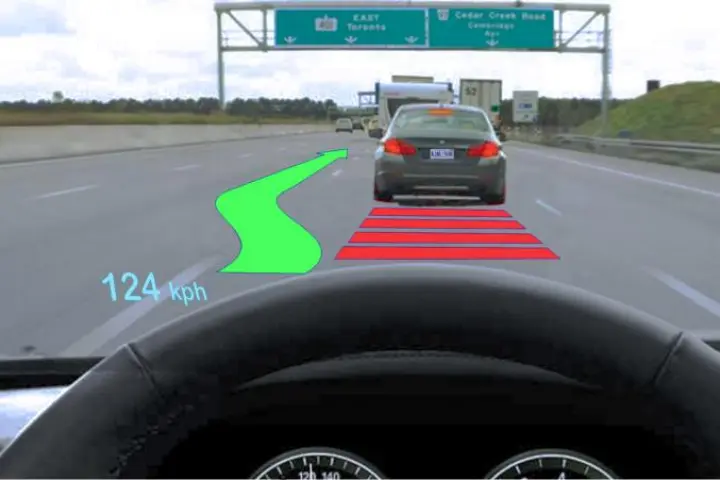 Recent studies into the use of heads-up displays (HUD) in motor vehicles suggests that they may not provide an extra margin of safety for drivers. In fact, according to researchers, their use may even be considered downright dangerous.
Load More