
US Department of Energy
-
 Giving a whole new meaning to underground power, startup Deep Fission Nuclear has secured US$30 million in funding to install a micro-reactor in a mile-deep borehole by July 4, 2026 as part of the US Department of Energy's Reactor Pilot Program.
 -
 Sandia National Laboratories (SNL) has shown off the United States' latest nuclear weapon as full production begins seven months ahead of schedule. The B61-13 variable-yield gravity bomb is part of a major program to modernize the American nuclear deterrent.
 -
 In what it calls "the world's first corporate agreement to purchase nuclear energy from multiple small modular reactors," Google has taken another step toward its goal of achieving net-zero emissions from its operational chain by 2030.
 -
 The US Department of Energy and its National Nuclear Security Administration have announced the first-ever achievement of fusion ignition. The breakthrough should "pave the way for advancements in national defense and the future of clean power."
 -
 The fastest internet network in the US just got a bit faster. The Energy Sciences Network has been upgraded to ESnet6, boasting a blistering bandwidth of 46 Terabits per second (Tbps). But don’t get too excited yet – it’s strictly scientists only.
 -
 The US Department of Energy's Frontier supercomputer has been crowned world's fastest at the International Supercomputing Conference 2022 in Hamburg, Germany, and is the first system to enter the exascale era of computing.
 -
 The United States National Nuclear Security Administration has begun production of its latest air-dropped nuclear weapon variant. The B61-12 Life Extension Program is designed to improve the safety and security of the country's nuclear stockpile.
 -
 Now is the time, says a new report commissioned by the US Dept of Energy, for "urgent" government and private sector investment in a pilot fusion power plant on US soil by 2040. The report also lays out the key technical challenges that need solving.
 -
 The US Department of Energy is backing five projects to develop advanced reactor designs to be built in the United States by private industry. The US$30 million initial funding is expected to grow to US$600 million over seven years.
 -
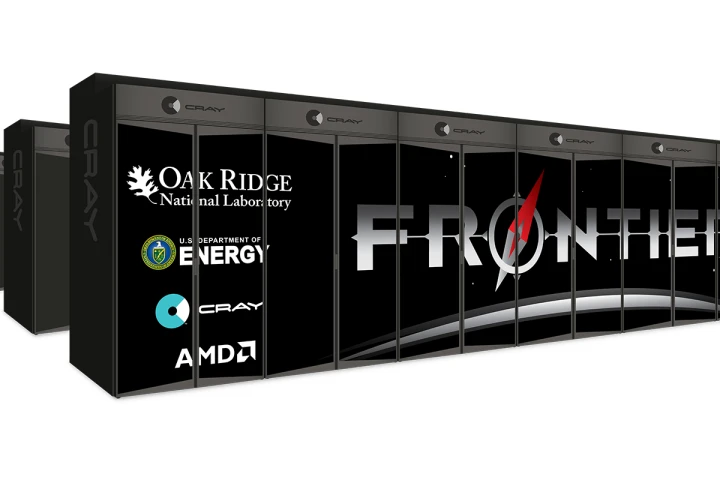 Supercomputers will take a huge leap forward when the “exascale” era kicks off in 2021 with the launch of Aurora. But now it looks like that world-leading machine will be usurped before it’s even set up. The Frontier system has been announced, which will boast the power of over 1.5 exaflops.
 -
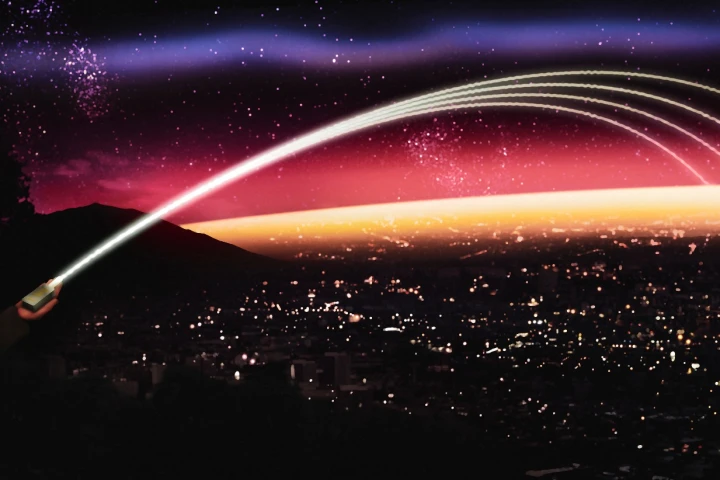 The SLAC National Accelerator Laboratory has developed a compact antenna that can transmit radio signals underwater, and even through solid earth. The new 4-inch (10-cm) antenna exploits the piezoelectric effect to generate Very Low Frequency (VLF) waves that normally require antennae miles long.
 -
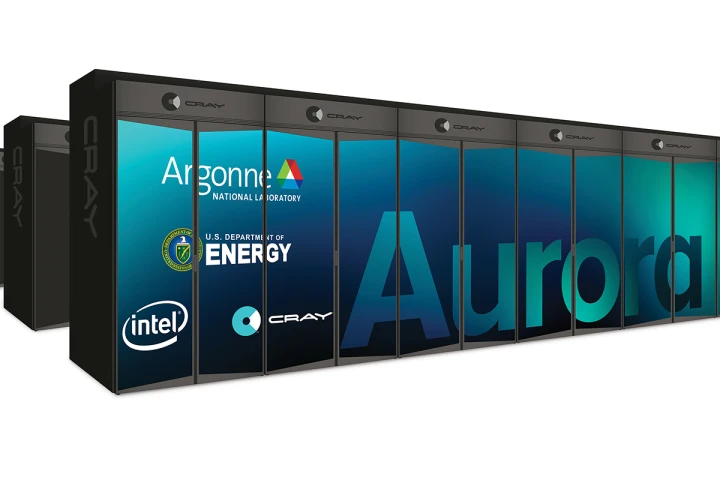 Intel and the US Department of Energy will deliver the world’s first exascale supercomputer in 2021, boosting many different fields of research. Named Aurora, the new system will be a thousand times more powerful than the petascale generation that began in 2008 and is still in wide use today.
Load More