
Wind turbines are essential to the global shift away from fossil fuels, but what happens when their blades reach the end of their service lifespan? Often, they end up in landfills, which obviously isn't ideal. With that problem in mind, an architect has come up with a clever idea: using the retired rotor blades as a building material.
The project was created in collaboration with Swedish green energy giant Vattenfall, which has previously explored something along the same lines by turning a used turbine nacelle (the housing that contains the generator and gearbox) into a tiny house. The idea for this project came about when architect Jonas Lloyd of Lloyd's Arkitektkontor was commissioned by developer LKP to build a new parking garage.
"Architect Jonas Lloyd got the idea for the car park when he read a magazine article about the American wind industry and its challenges in recycling disused blades," explains Vattenfall. "Rotor blades are designed to withstand wind and weather for decades and are therefore made of various composite materials such as glass and carbon fiber. This makes the blades extremely durable but also challenging to recycle."
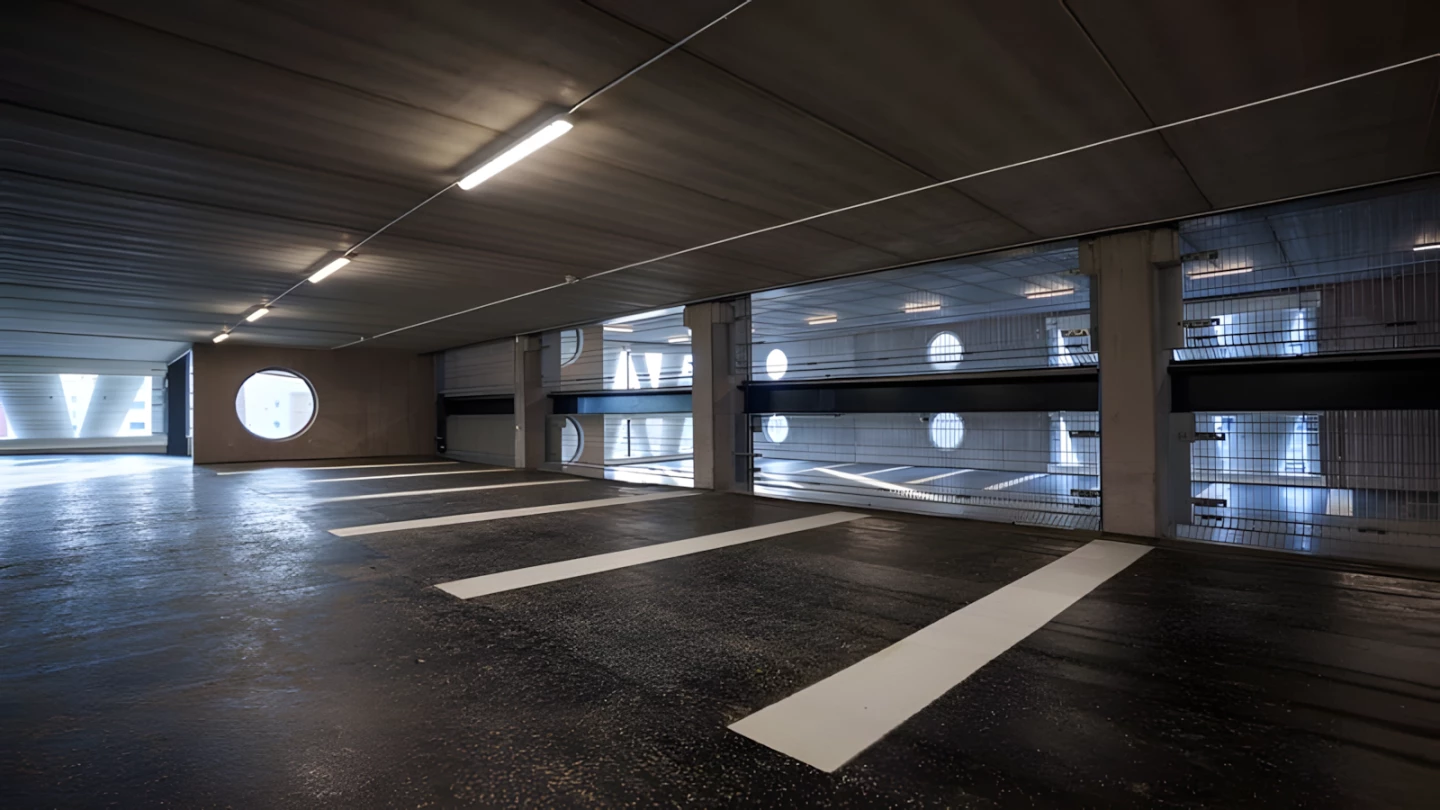
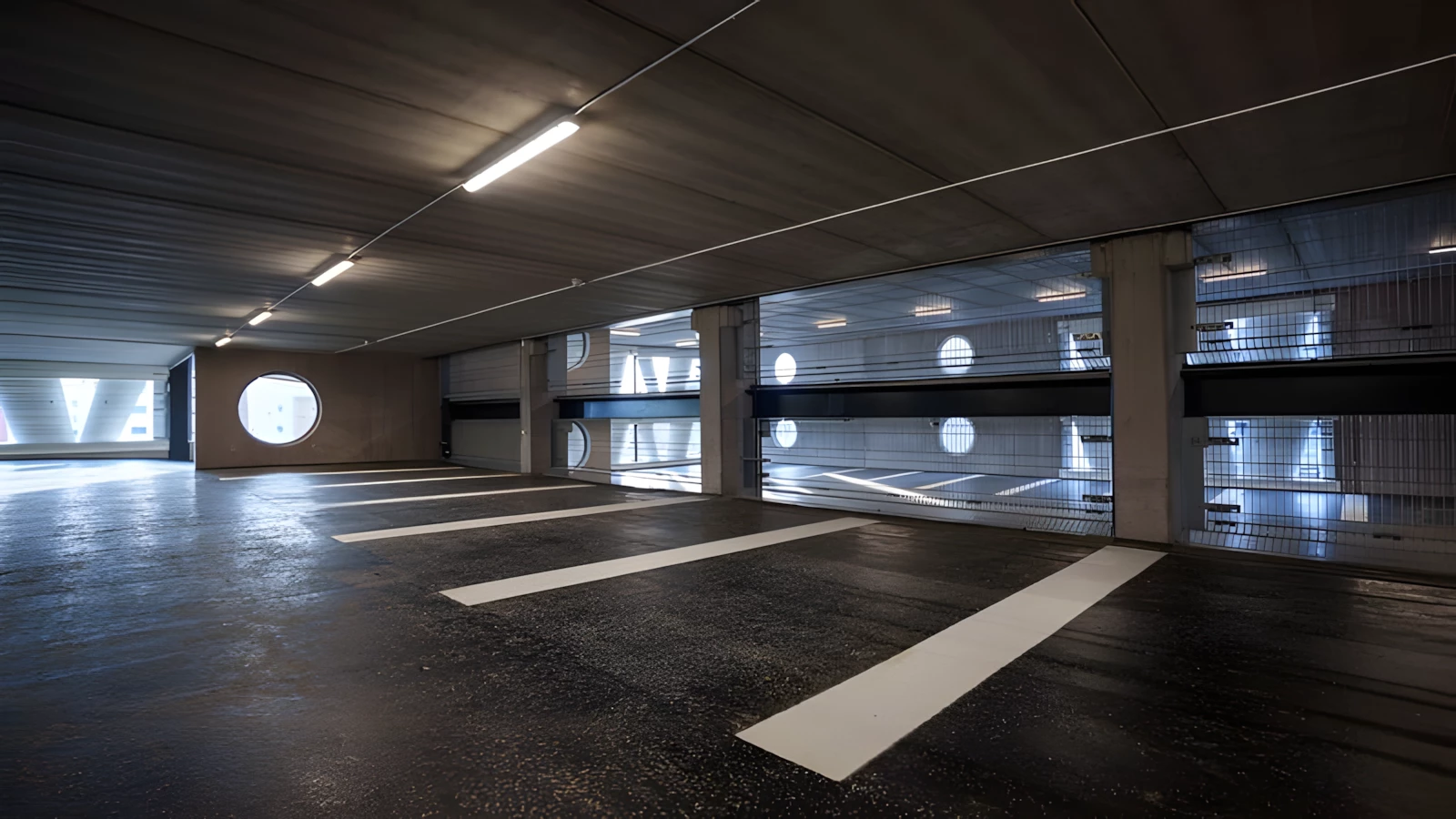
The resulting building, named the Niels Bohr parking garage, is located in the burgeoning Brunnshög district on the outskirts of Lund, Sweden. It consists of 365 parking spaces, spread over five floors, including 40 electric vehicle charging points and an on-site battery for energy storage.
Vattenfall donated 57 decommissioned rotor blades, which have been painstakingly cut and then mounted onto the facade to form the curtain walls of the building – i.e. the non-load-bearing walls that cover large sections of its decorative exterior. The exterior also has planters filled with local greenery, which will soften the appearance of the building over time.
Looking ahead, Lloyd hopes that the turbines could be used on more architecture projects and inspire others to think differently about construction waste.
"Above all, I am pleased that we are promoting sustainability and that the building has become a symbol of sustainability," adds the architect. "It should serve as an eye-opener. When you see the building, you should stop and think: they managed this, what can I do?"
Sources: Vattenfall, Lloyd's Arkitektkontor