






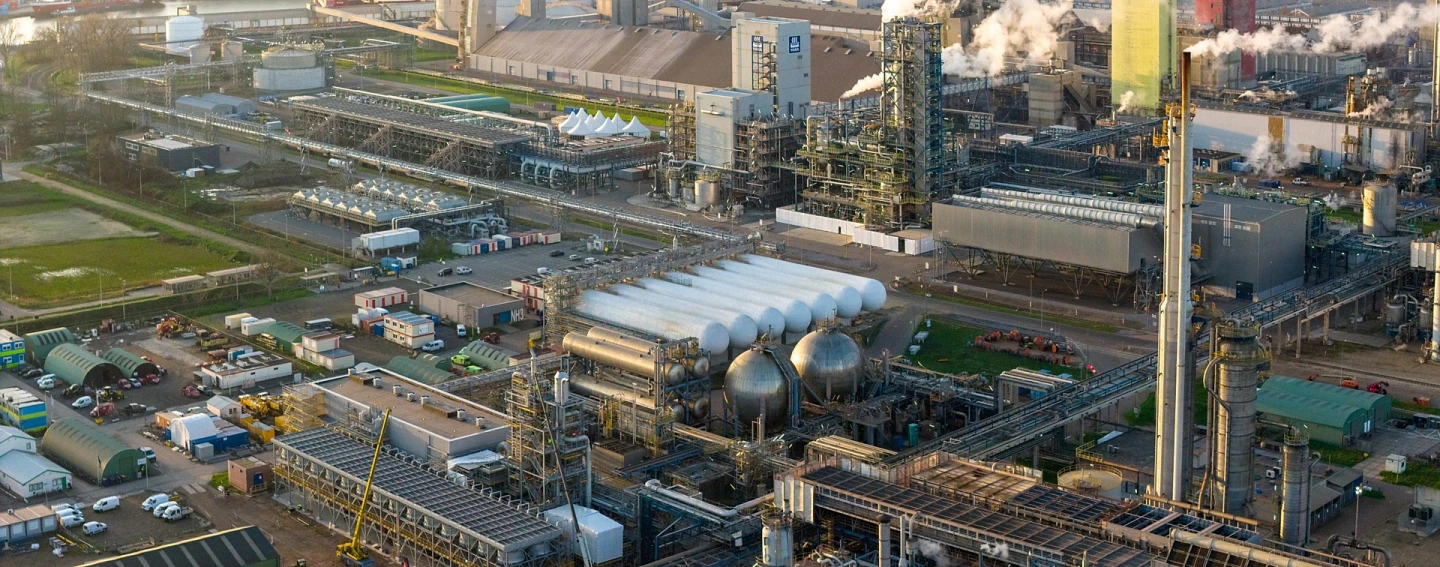
Norwegian chemical company Yara has inaugurated the largest industrial carbon capture facility in all of Europe this week. Set up at the company's ammonia and fertilizer plant in Sluiskil, the Netherlands, it can capture 800,000 tons of CO2 per year.
That carbon dioxide comes from its ammonia production process. Once it's captured, it's liquified, temporarily stored in those large white tanks you see in the photos, and subsequently transported by ship to Norway. This last bit is handled by Norwegian CO2 transport firm Northern Lights, which stores its cargo in a reservoir 8,530 ft (2,600 m) beneath the seabed.
This new carbon capture and storage (CCS) project represents a positive step toward large-scale industrial decarbonization for Europe. Over the next 15 years, it's expected to store about 12 million tons of CO2.
Not to be a sourpuss, but it's worth putting these figures into perspective. 800,000 tons a year amounts to 0.5% of total Dutch greenhouse gas emissions annually. Meanwhile, Global Carbon Budget estimated a couple of years ago that for 2025, CO2 emissions from fossil fuel use would surpass 42 billion tons in the atmosphere worldwide.
The other way to look at it is that we need every effort like this that we can implement. Northern Lights has built out a storage capacity of 1.5 million tons of CO2 per year, and is now expanding to 5 million tons annually to meet growing demand from European industries.
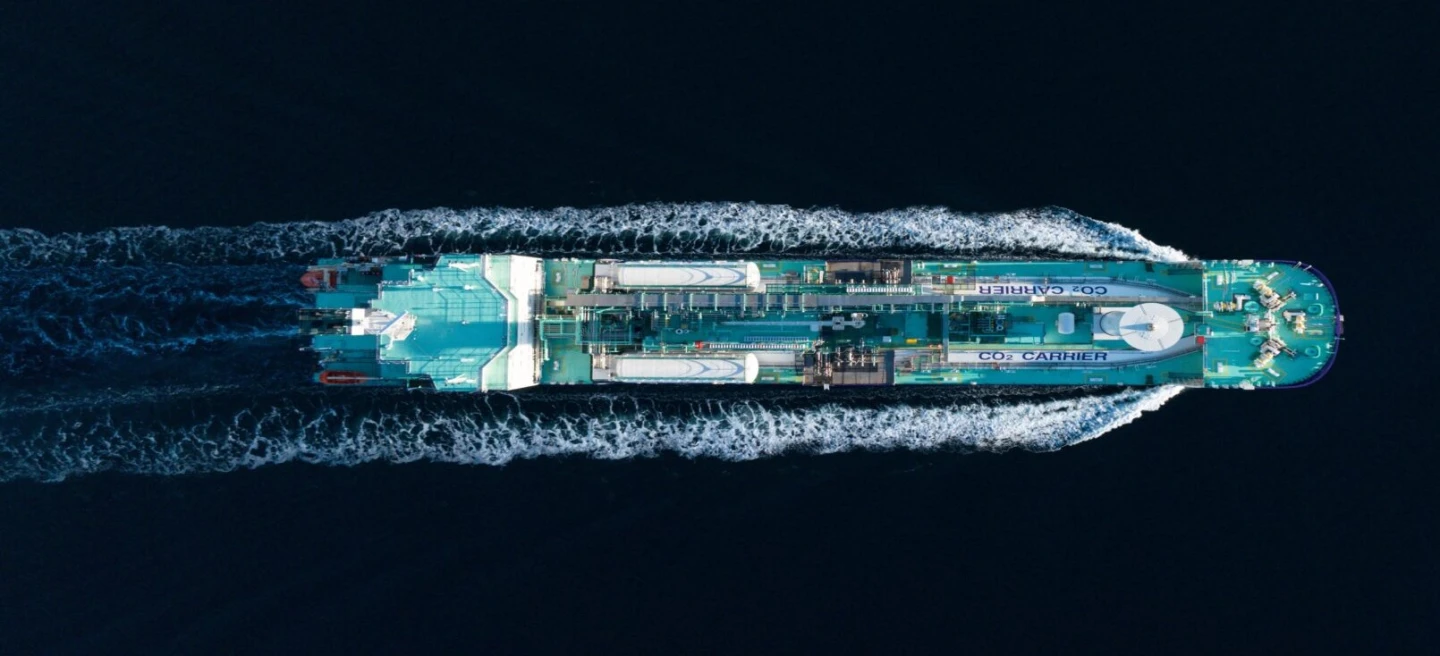
The more CO2 we can get out of the atmosphere, the better a chance we have of mitigating the drastic effects of climate change. Cement, steel, chemicals, and fertilizer production are a major target for CCS, and hopefully we'll see more such projects come online in the near future.
Yara's setup may be the largest in Europe, but it's not quite as big as the one operating at a 1 GW coal‑fired plant in the Zhengning power station in China's Gansu Province. The Huaneng Longdong Energy Base CCS project can capture 1.5 million tons of CO2 a year from the unit’s flue gas.
Source: Yara


