
Medical Devices
The latest advances in medical devices, from implants and brain interfaces to prosthetics and bionics.
Top News
-
 It's not your underarm sweat that stinks, it's the volatile organic compounds (VOCs) produced by bacteria as they break down the fatty acids in that sweat. A new device is claimed to prevent the stink by killing those bacteria with plasma.
 -
 Imagine correcting your vision in under a minute – no lasers, blades or pain. Scientists have developed a non-invasive technique that reshapes the cornea using only a mild electric current and a temporary pH change. In early trials, it reversed myopia.
 -
 Scientists have developed an innovative new stem cell-infused implant that "grows" into the gum and fuses with existing nerves to function much like a real tooth. It's also gentler on the patient, expanding like memory foam to sit securely in place.
Load More
Latest News
-
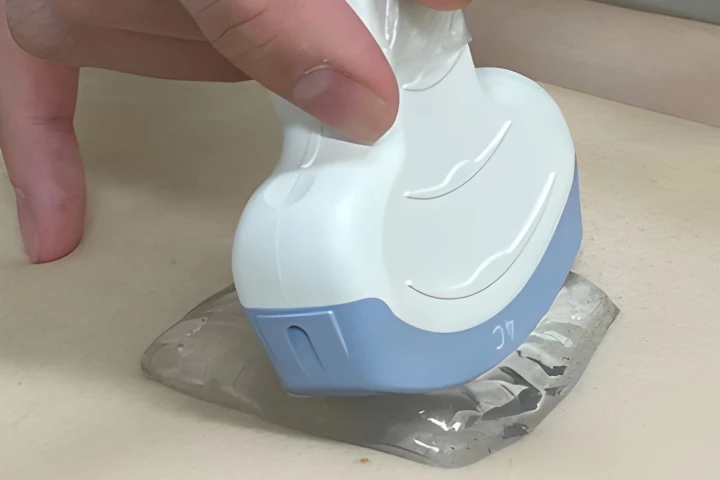 January 31, 2026 | Michael FrancoIf you've ever had a sonogram you know that, even though the test isn't too hard to endure, the cold glob of gel that goes on your skin before you get "wanded" is pretty unpleasant. Japanese researchers have now come up with an alternative.
 -
 January 29, 2026 | Maryna HolovnovaIt turns out donated blood has a shelf life – and it can be very different for each donor. Recently, scientists have found a way to track how blood ages, helping hospitals manage their supply more effectively.
 -
 January 28, 2026 | Malcolm AzaniaDon’t remember if you took your pills? Try MIT’s SAFARI (Smart Adherence via FARaday cage And Resorbable Ingestible). The capsule has its own bioresorbable radio that activates itself when swallowed, so you’ll never worry about missing a dosage.
 -
 January 16, 2026 | Chelsea HaneyA tool long used to probe neural circuits in the lab is now being floated as a new way to treat human patients. The technique uses light to turn specific neurons on or off, and it could be used to treat everything from chronic pain to epilepsy.
 -
 January 01, 2026 | Malcolm AzaniaColumbia and Stanford researchers have debuted a new paper-thin brain-computer interface, the Biological Interface System to Cortex (BISC). The device offers hope to patients enduring seizures, strokes, spinal cord injuries, ALS, and blindness.
 -
 December 29, 2025 | Malcolm AzaniaScientists at Northwestern University have developed a sub-scalp device that beams light through bone into the brain, teasing a future of drug-free pain relief, cybernetic control of robotic limbs, and the simulation of sight, hearing, and touch.
 -
 November 21, 2025 | Bronwyn ThompsonUS brain-computer-interface startup Paradromics is establishing itself as a major player in the neural-device space, with the Food and Drug Administration green-lighting a human trial to test its ability in restoring speech to people with paralysis.
 -
 November 18, 2025 | Maryna HolovnovaDoes the feeling of standing up too fast and suddenly getting lightheaded sound familiar? Tracking your blood flow can explain why this is happening, and that’s what sets Lumia 2 apart from other similar energy-management devices.
 -
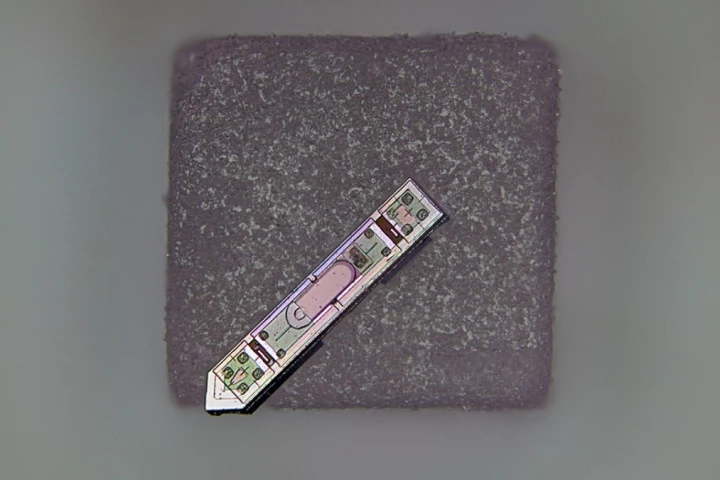 November 06, 2025 | Malcolm AzaniaSmaller than a grain of salt and possibly the tiniest neurotech implant ever invented, the MOTE sends neuro-telemetry data via infra-red lasers, and could help neuroscientists unlock cures for neurological diseases.
 -
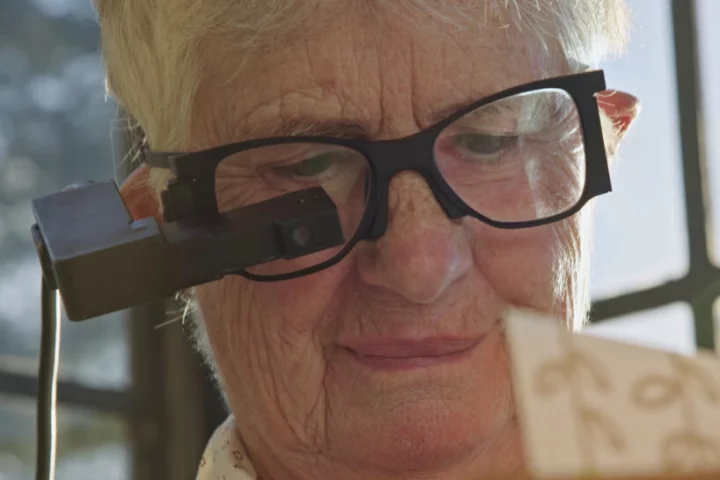 October 23, 2025 | Pranjal MalewarStanford researchers and global collaborators have developed a wireless retinal implant called PRIMA that's helping people with untreatable eyesight loss see not just light, but actual shapes and patterns – what scientists call form vision.
 -
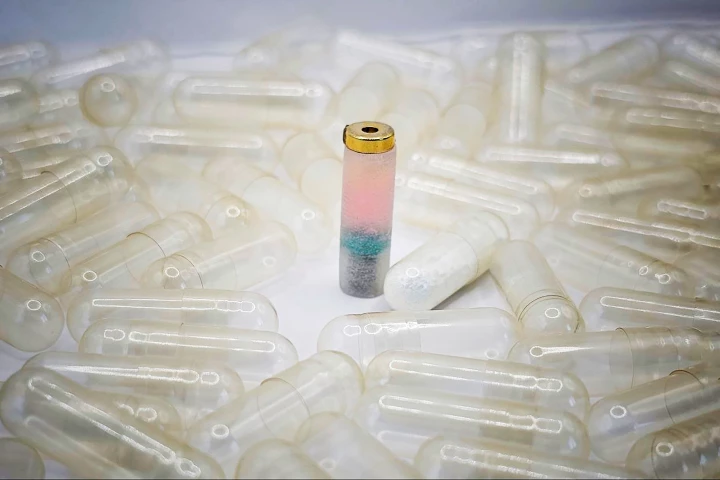 October 16, 2025 | Ben CoxworthWhen an ulcer creates an actual perforation in the digestive tract, surgery is currently the only treatment. In the not-too-distant future, however, such holes may be easily plugged with the equivalent of a tiny remote-control swallowable pen.
 -
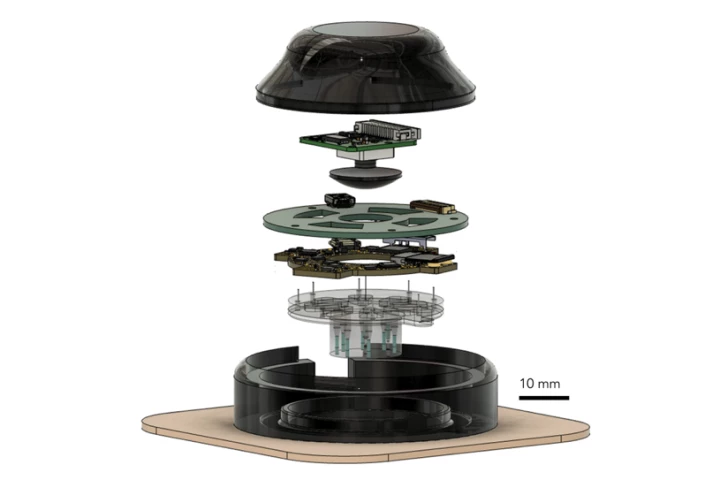 September 25, 2025 | Ben CoxworthDressings that simply cover wounds may soon seem archaic. An experimental new device reportedly speeds healing by 25%, and utilizes a computer-linked camera to determine when it should zap wounds with electricity or shoot medication into them.
 -
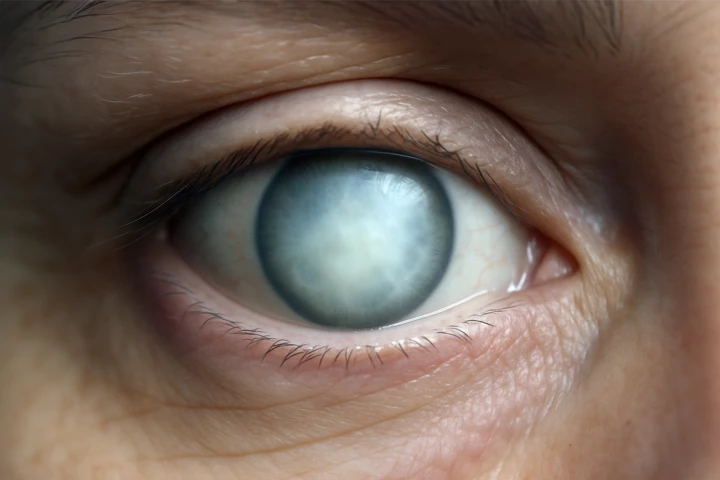 September 04, 2025 | Paul McClureA tiny implant that beams images straight to the retina, bypassing a damaged cornea altogether, could give sight back to millions living with corneal blindness – no donor tissue required. Human trials may be underway in as little as two years.
 -
 August 31, 2025 | Ben CoxworthIf you were afflicted with a balance disorder, would you rather use a walker or simply wear a backpack? Dutch scientists have developed a special version of the latter, which utilizes two gyroscopes to keep its wearer standing straight and stable.
 -
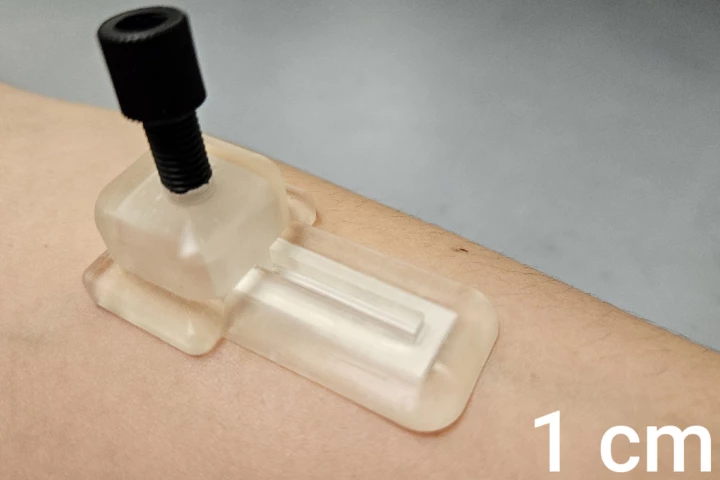 August 20, 2025 | Ben CoxworthNobody likes having blood samples taken, which is why it's always good to hear about possible alternatives. One of the latest takes the form of a self-powered skin patch that painlessly gathers biomarker chemicals for up to 24 hours at a time.
Load More