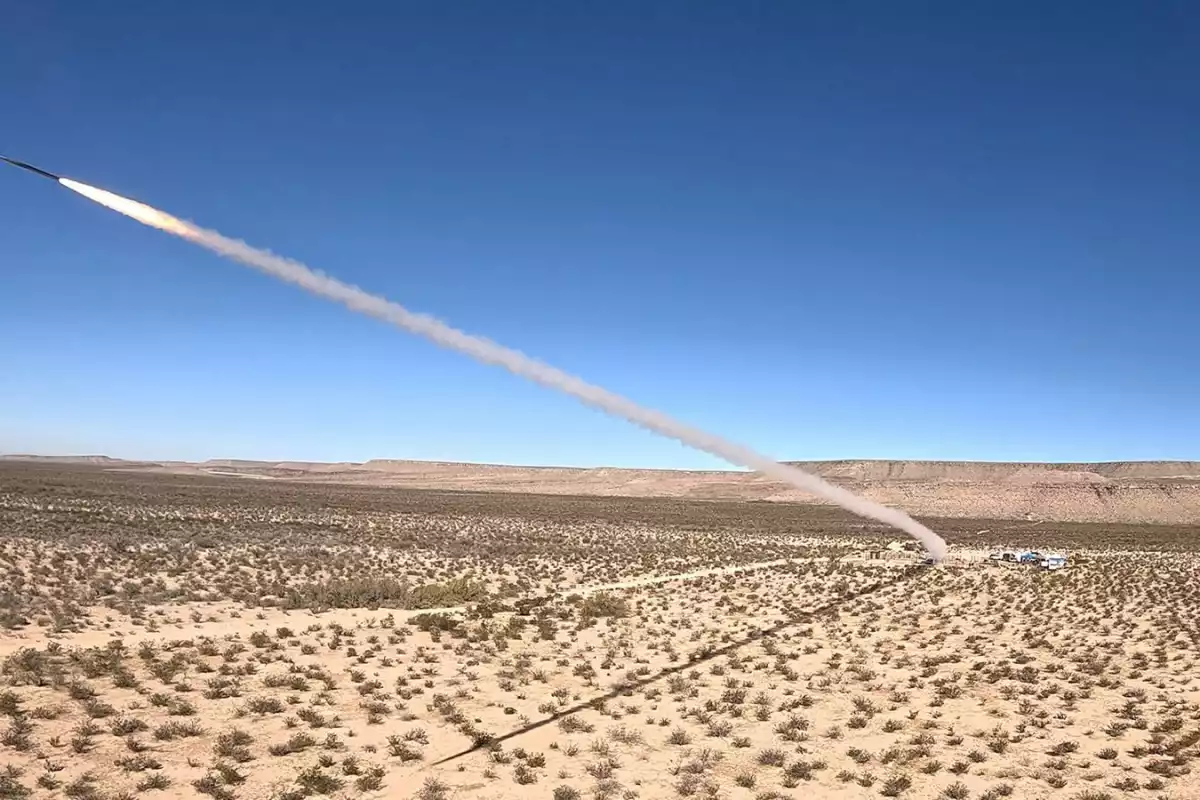
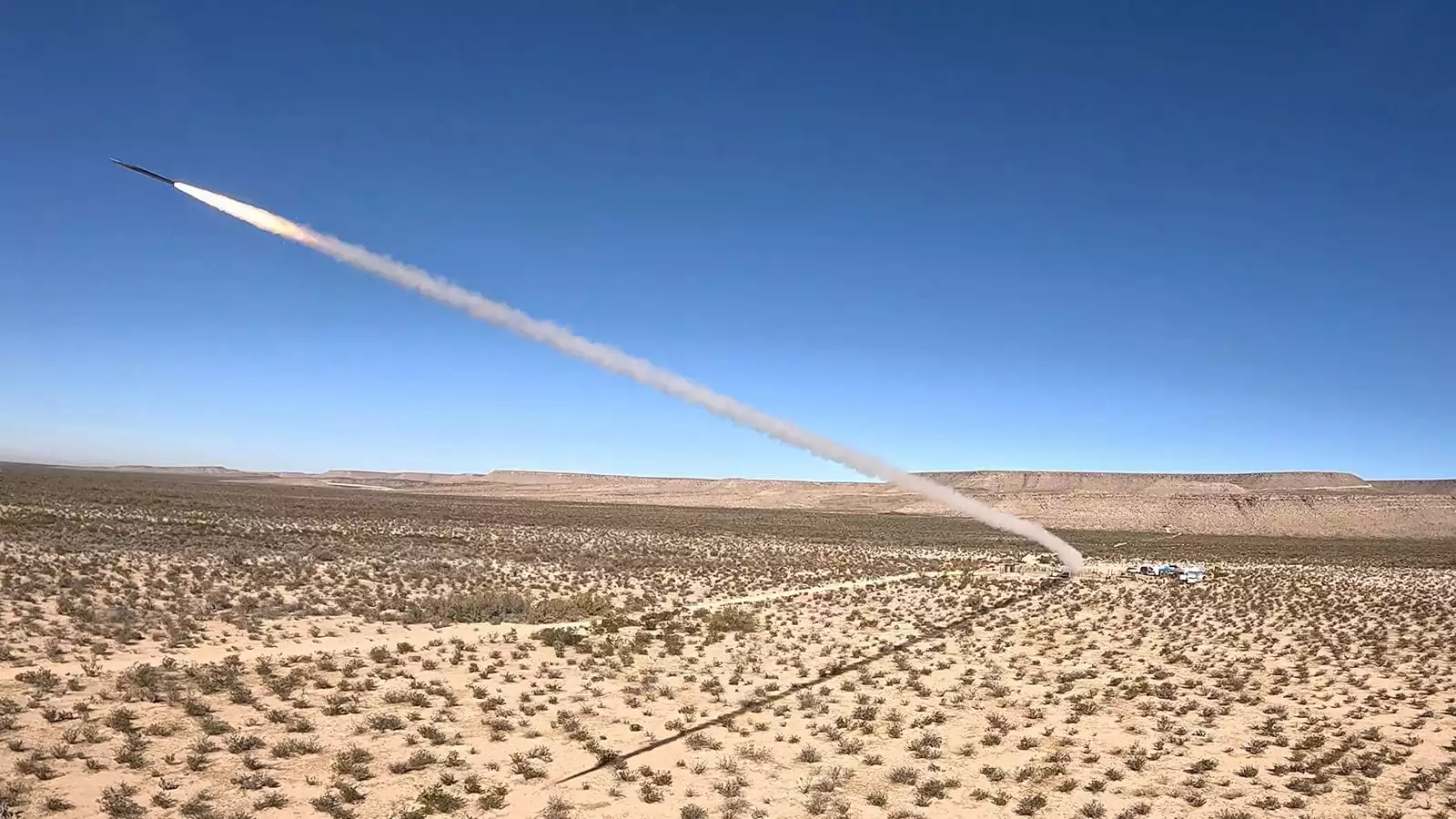


One of the most successful infantry weapons of the Cold War, if not of the last century, is beginning its journey to retirement as Raytheon successfully demonstrates the Next Generation Short Range Interceptor (NGSRI), which is set to replace the Stinger missile.
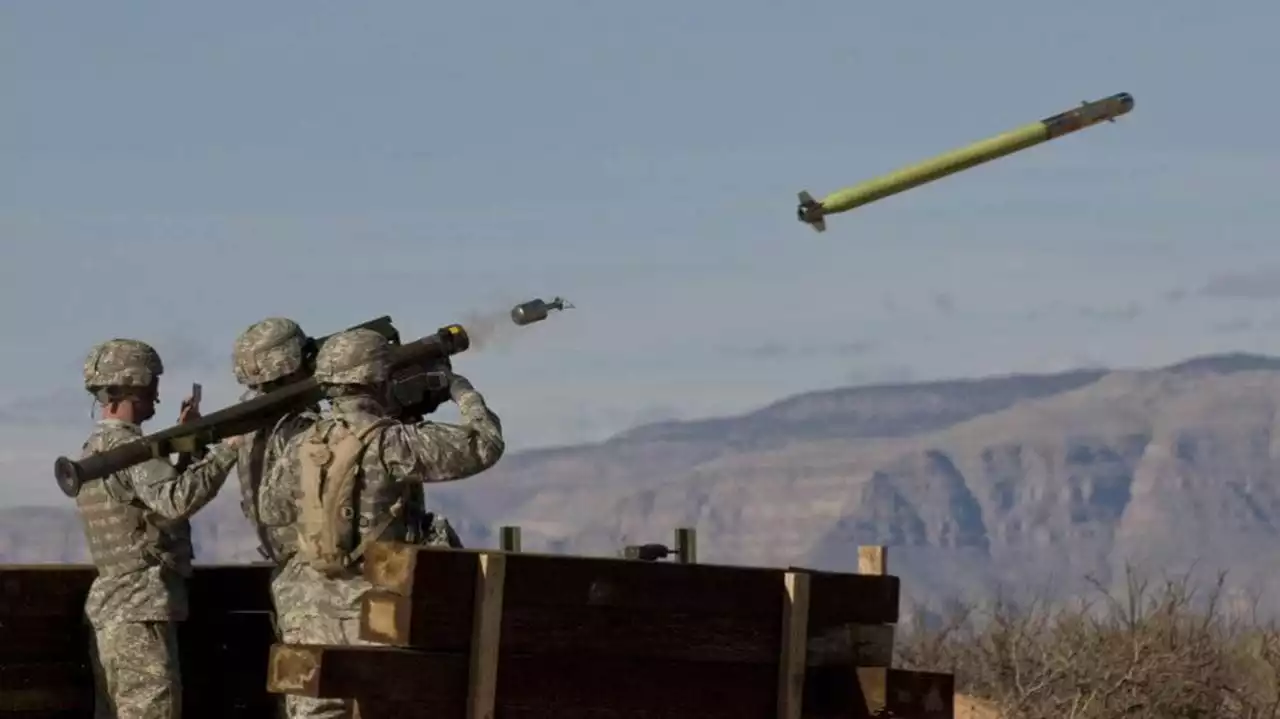
Originally designed as an improvement on the rather indifferent Redeye anti-aircraft missile, the FIM-92 Stinger entered service with the US Army in 1981 and quickly went on to become a game-changing legend. Developed by General Dynamics and currently manufactured by Raytheon/RTX, it’s a Man-Portable Air-Defense System (MANPADS) that can be carried and shoulder-fired by a single soldier to defend against low-altitude fixed-wing aircraft and helicopters.
The Stinger wasn’t the first missile drafted into that role, but it differed from its predecessors in that it could be fired at an aircraft approaching head-on rather than chasing one flying away. This was made possible by its optical seeker, which used infrared and ultraviolet sensors to lock onto targets without being confused by background clutter.
Relatively simple to operate, it soon earned a serious reputation on the battlefield as a reliable defensive weapon – one that could even turn the tide of a war.
The first time this was demonstrated was during the 1982 Falklands War, when Stingers “loaned” by the US were used by the SAS to down Argentine warplanes, despite the troopers having to learn how to operate the missile by literally reading the instructions on the battlefield.
During the Soviet-Afghan War of the 1980s, the CIA armed the Mujahideen resistance with about 2,000 Stingers starting in 1986. This is widely credited with ending Soviet air superiority and forcing helicopters to fly with extreme caution and at higher altitudes. More recently, thousands of Stingers have been sent to Ukraine to counter Russian cruise missiles and helicopters.
So important was the Stinger’s role that preventing it from falling into enemy hands – especially those of terrorist groups – became a major concern for the US and NATO. This led to a buy-back program after the Soviets withdrew from Afghanistan, as well as efforts to counter attempts by Mexican cartels to illegally acquire Stingers. Despite this, black-market Stingers have had a depressing tendency to surface in conflicts around the world.

The missile even made its way into popular culture, with James Bond facing a Central American drug lord trafficking in Stingers in the 1989 thriller Licence to Kill. Ironically, when John Gardner wrote the novelization of the film, he opted for accuracy: Bond notes that the stolen missiles didn’t look like Stingers and, most tellingly, keep missing their targets in ways Stingers don’t. So he concluded that the villains had been conned into buying some kind of cheap training missiles.
As a result of arming Ukraine, stocks of Stingers are now running low, and the challenges associated with restarting full-scale production are adding pressure to develop the NGSRI missile as a replacement. Another, more immediate reason is that after 45 years of service, the Stinger is becoming obsolete and increasingly unsuited to a battlefield dominated by loitering munitions, cruise missiles, and drone warfare.
The NGSRI is a new MANPADS missile that uses an open-architecture, modular design to allow rapid hardware and software updates. This approach also lends itself to automated, high-rate production. Designed for all-domain protection, it can be shoulder-fired, mounted on vehicles, or deployed on other platforms. Instead of the Stinger’s low-resolution rosette scan, the NGSRI uses a high-resolution infrared imaging seeker that offers a better chance of locking onto low-signature targets.
The missile is faster than the Stinger, reaching Mach 2.5, and has a range of 8 km (5 miles), compared with the Stinger’s 4.8 km (3 miles). This is thanks to a highly loaded solid-fuel motor that also delivers greater impact energy. The warhead uses a proximity and digital impact fuze rather than the Stinger’s impact and time-delay fuzes, allowing near-misses to still result in kills.
According to Raytheon, the latest company-funded test took place on February 2, 2026, outside Tucson, Arizona. During the test, the system demonstrated its drone-tracking capability, the functionality of its motor and seeker subsystems, and that the missile launcher offers the proper ergonomics to remain man-portable for infantry use.
"Raytheon's investment in NGSRI demonstrates the company's strong partnership with the U.S. Army and our commitment to equipping service members with this advanced capability," said Tom Laliberty, president of Land and Air Defense Systems at Raytheon. "We continue to prioritize rapid learning and testing to ensure the Army receives a cost-effective and technologically superior interceptor."
Source: RTX