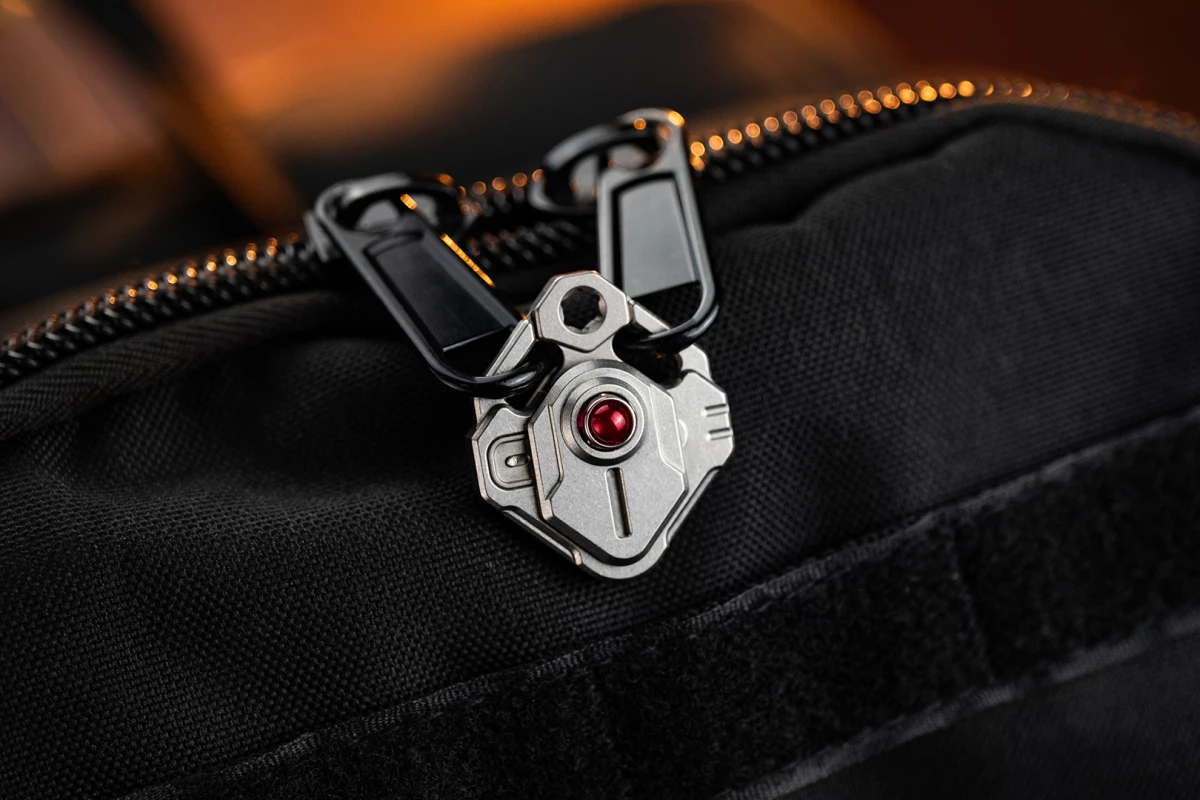


Within the fields of everyday carry and travel security, the zipper lock is a category whose core structure has rarely been reexamined. For decades, most designs have relied on keys or simple spring-based mechanisms, repeatedly compromising between convenience, security, and reliability. Titaner—an engineering-driven brand known for its precision titanium EDC tools—aims to challenge this long-standing design stagnation.
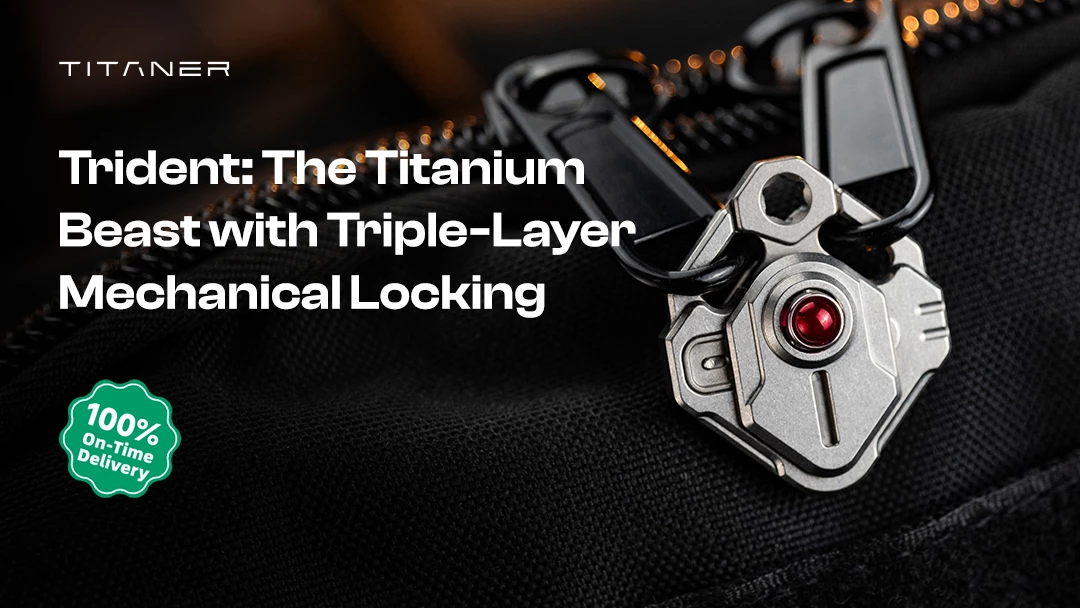
With the debut of Titaner Trident on Kickstarter, the team has revisited this overlooked everyday object from a mechanical engineering perspective. By introducing a multi-stage internal structure, they have condensed industrial-style locking logic into a compact, keyless lock designed for daily carry.
1 | Designing a “lock” as a mechanical system
Unlike traditional zipper locks, Trident was not designed around the question of how to lock something, but rather how to provide different levels of control across different use scenarios.
At its core is a triple-stage mechanical locking system, allowing users to transition between multiple states and security levels. The system is intended for modern backpack setups, travel gear, and modular carry configurations.
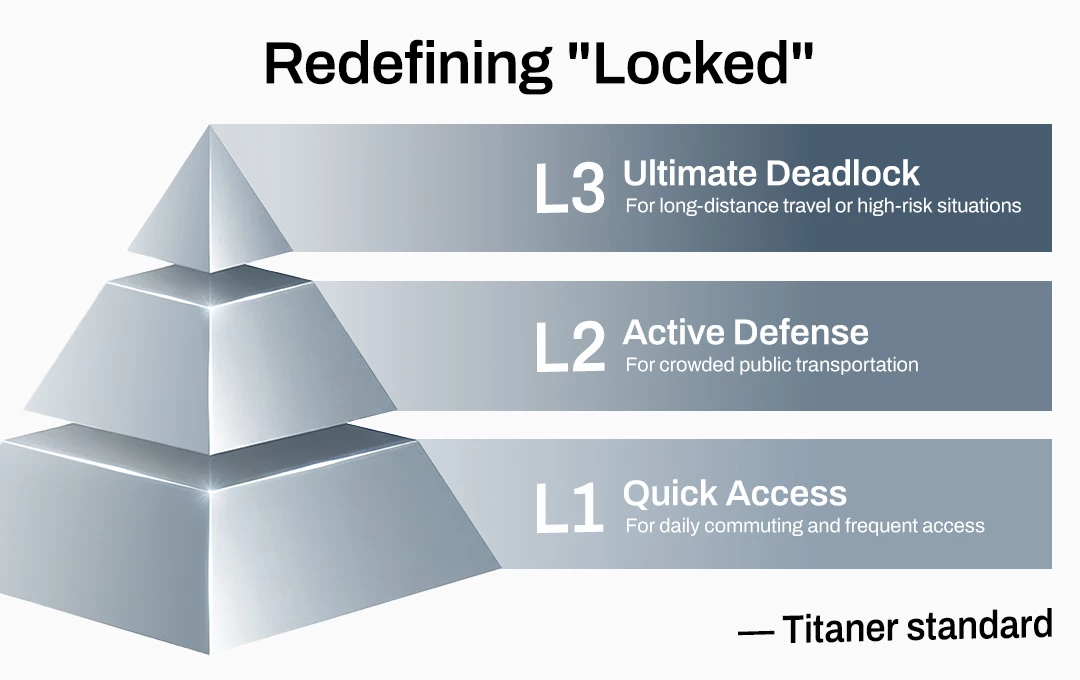
The three stages correspond to:
- Quick lock: for temporary securing with an emphasis on speed
- Everyday protection: balancing convenience and security
- High-strength physical locking: delivering maximum mechanical resistance
Details regarding the release method for the highest locking tier remain undisclosed. Titaner has stated that a special reward will be offered to the first user who successfully deciphers the mechanism.
Through this tiered approach, Trident moves beyond the binary concept of locked versus unlocked, functioning instead as an adjustable mechanical locking system.
2 | A keyless design shaped by real-world use
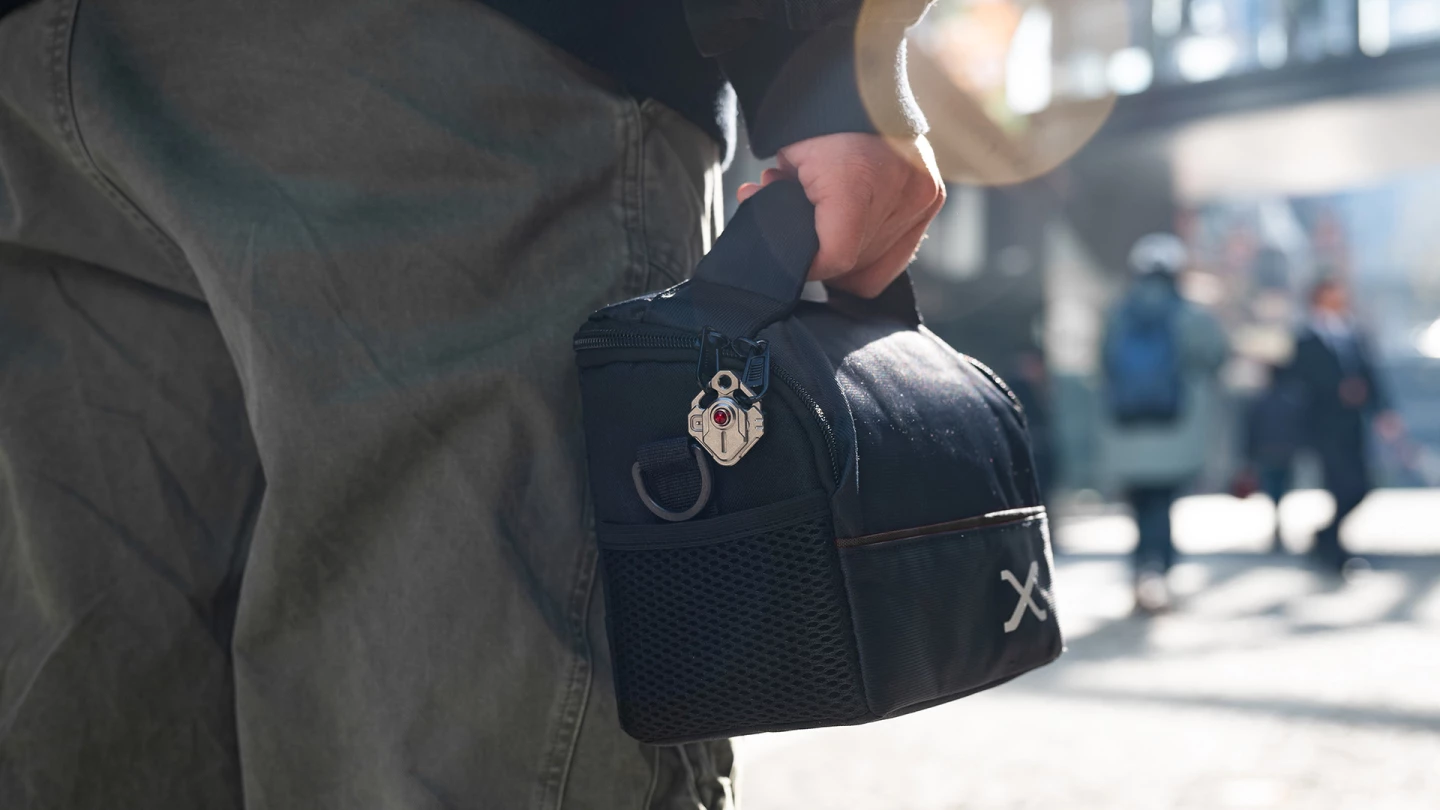
Most zipper locks occupy an awkward middle ground: compact but offering limited protection, or robust yet bulky and inconvenient. For frequent travelers, this often results in a compromise between usability and meaningful security.
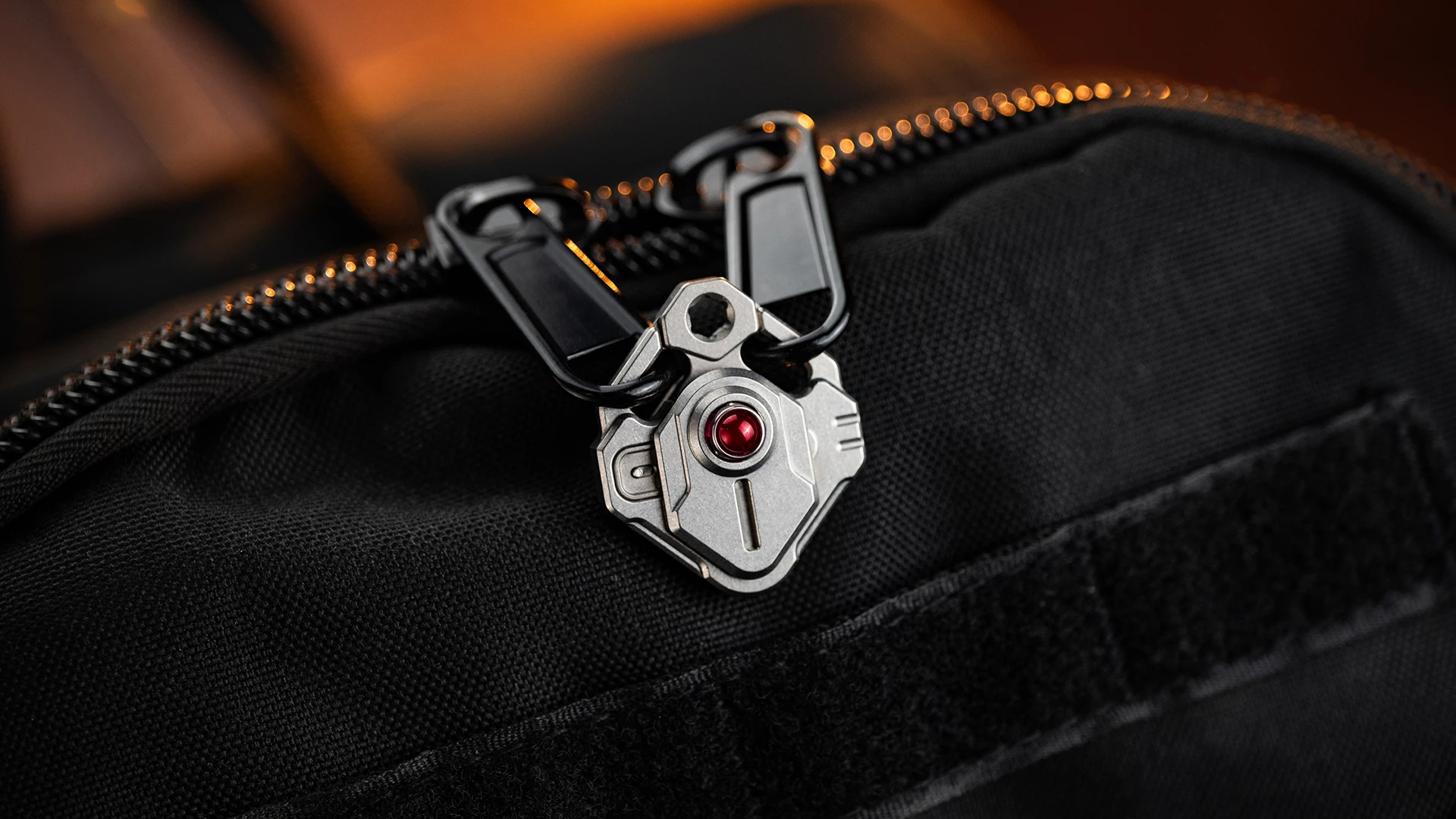
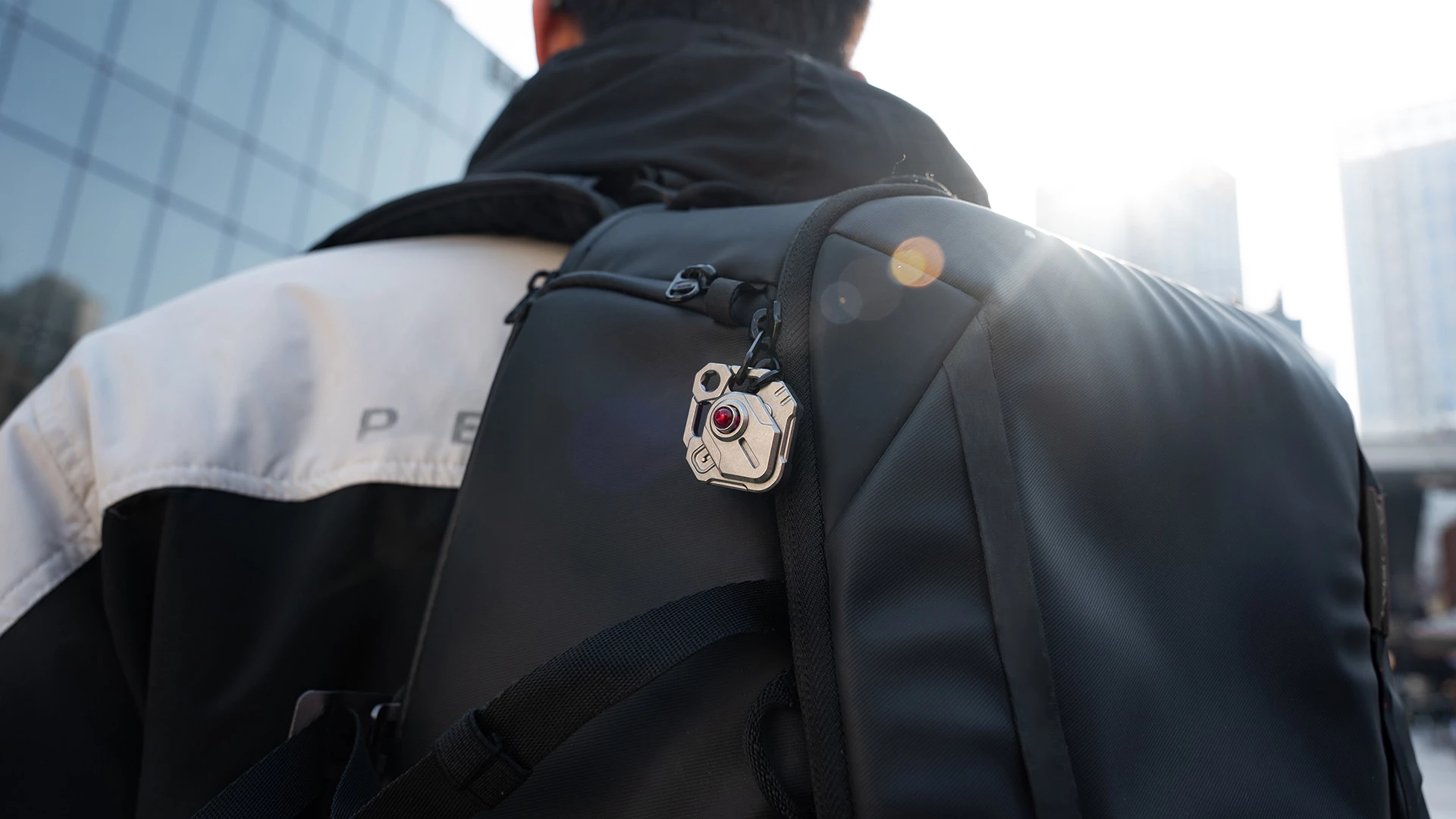
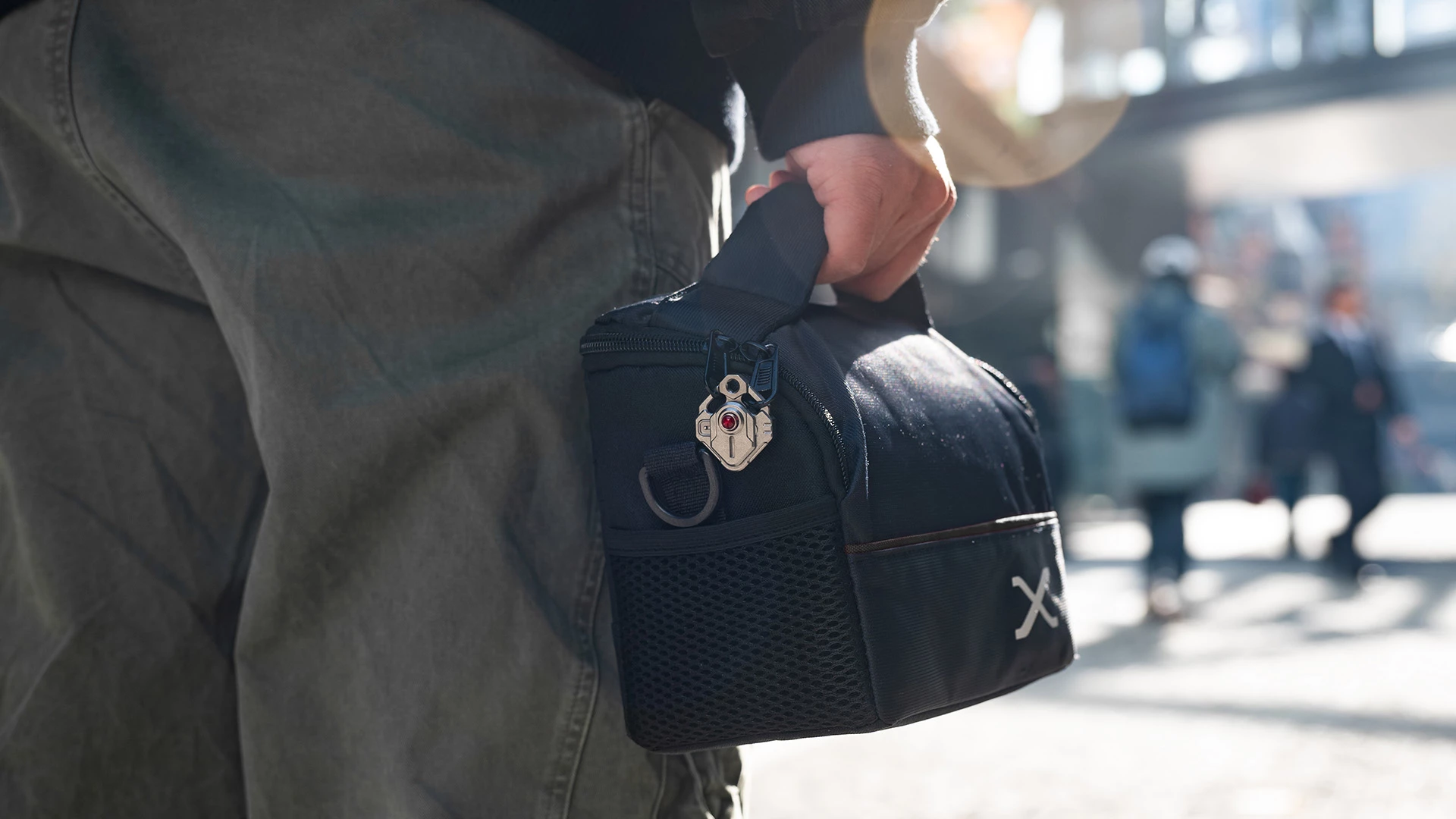
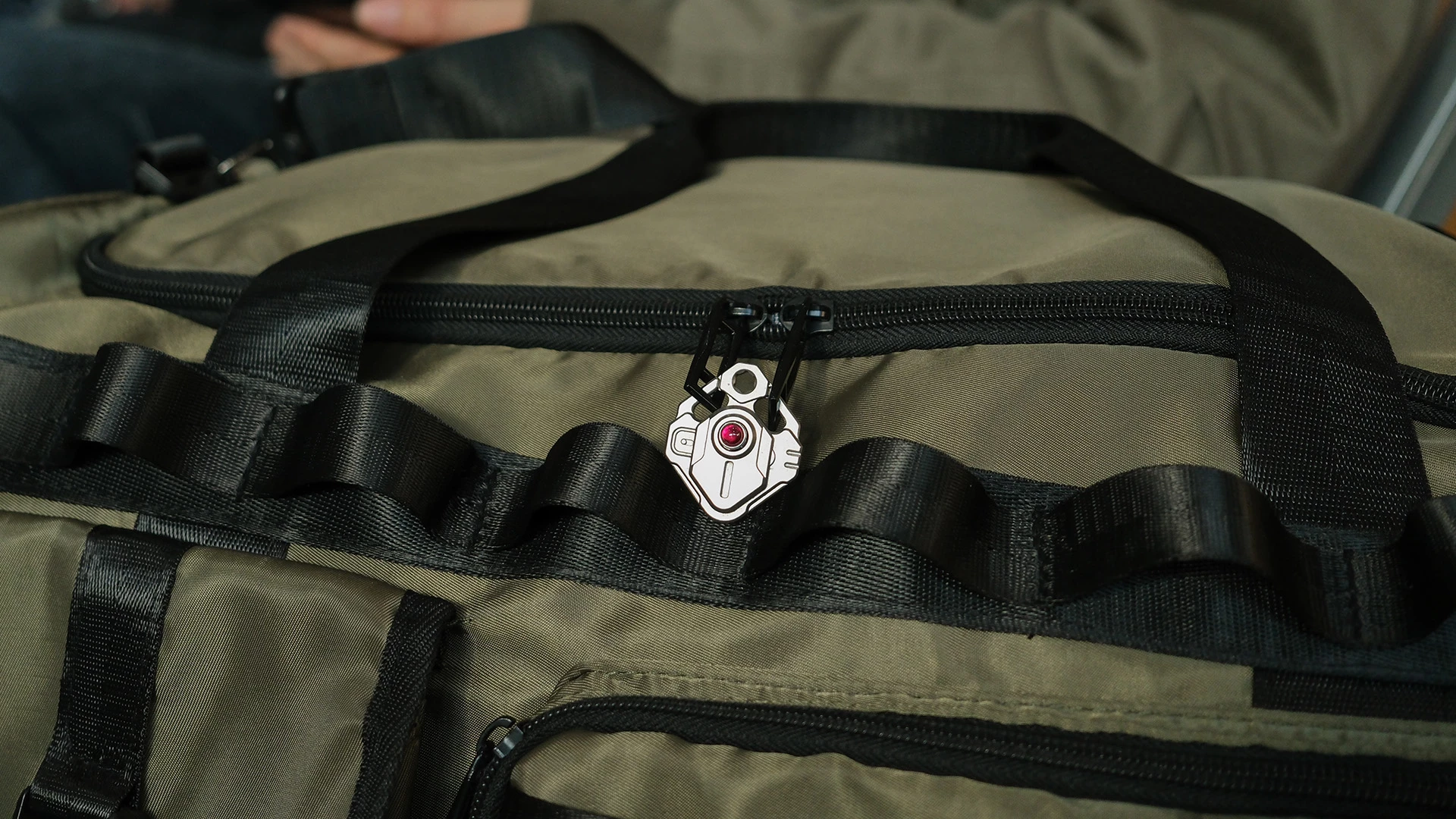
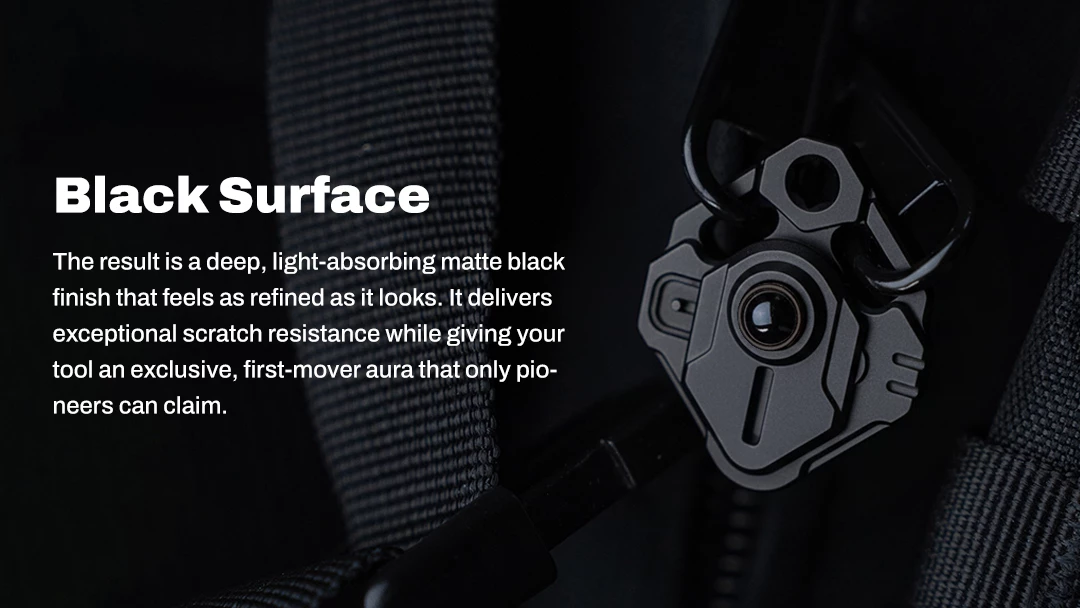
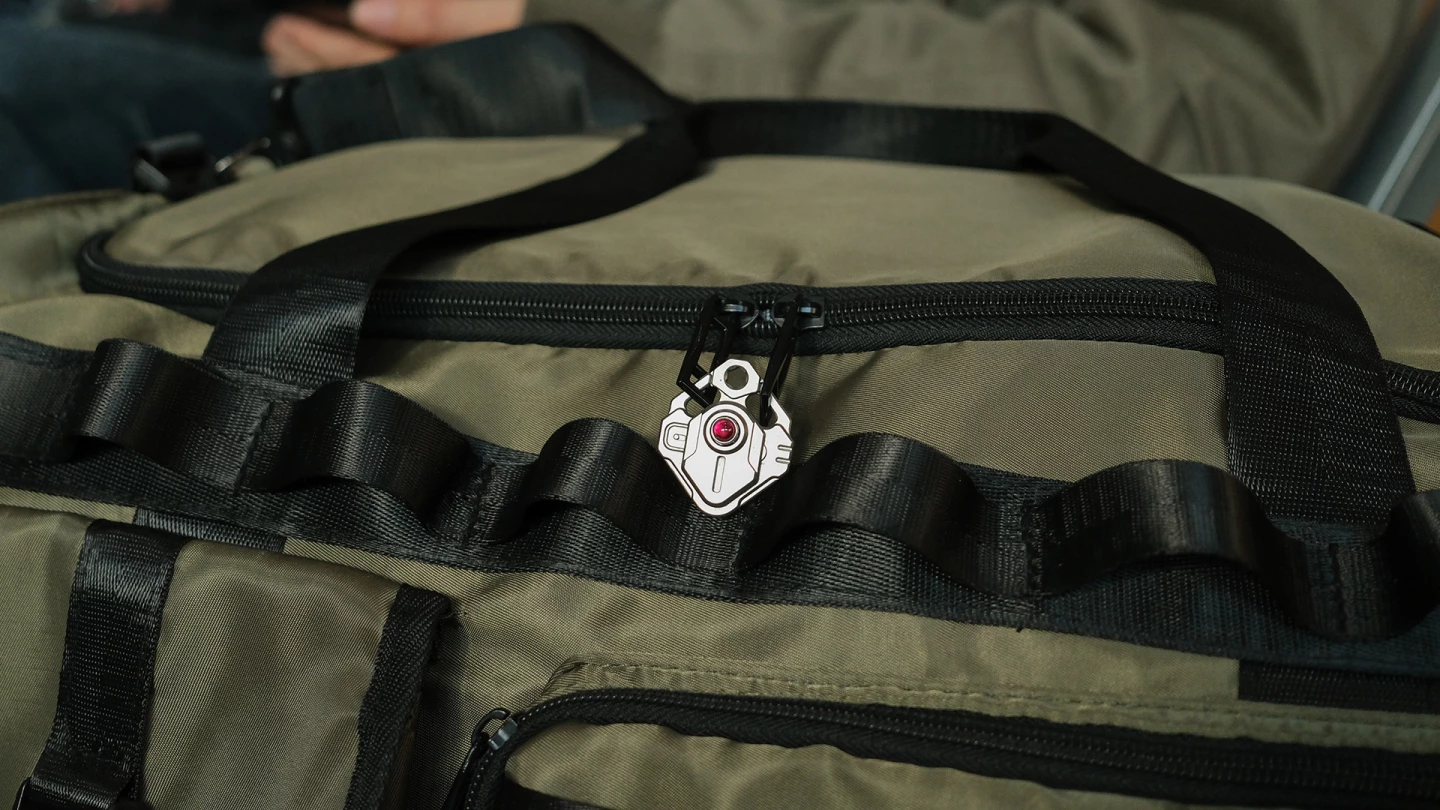
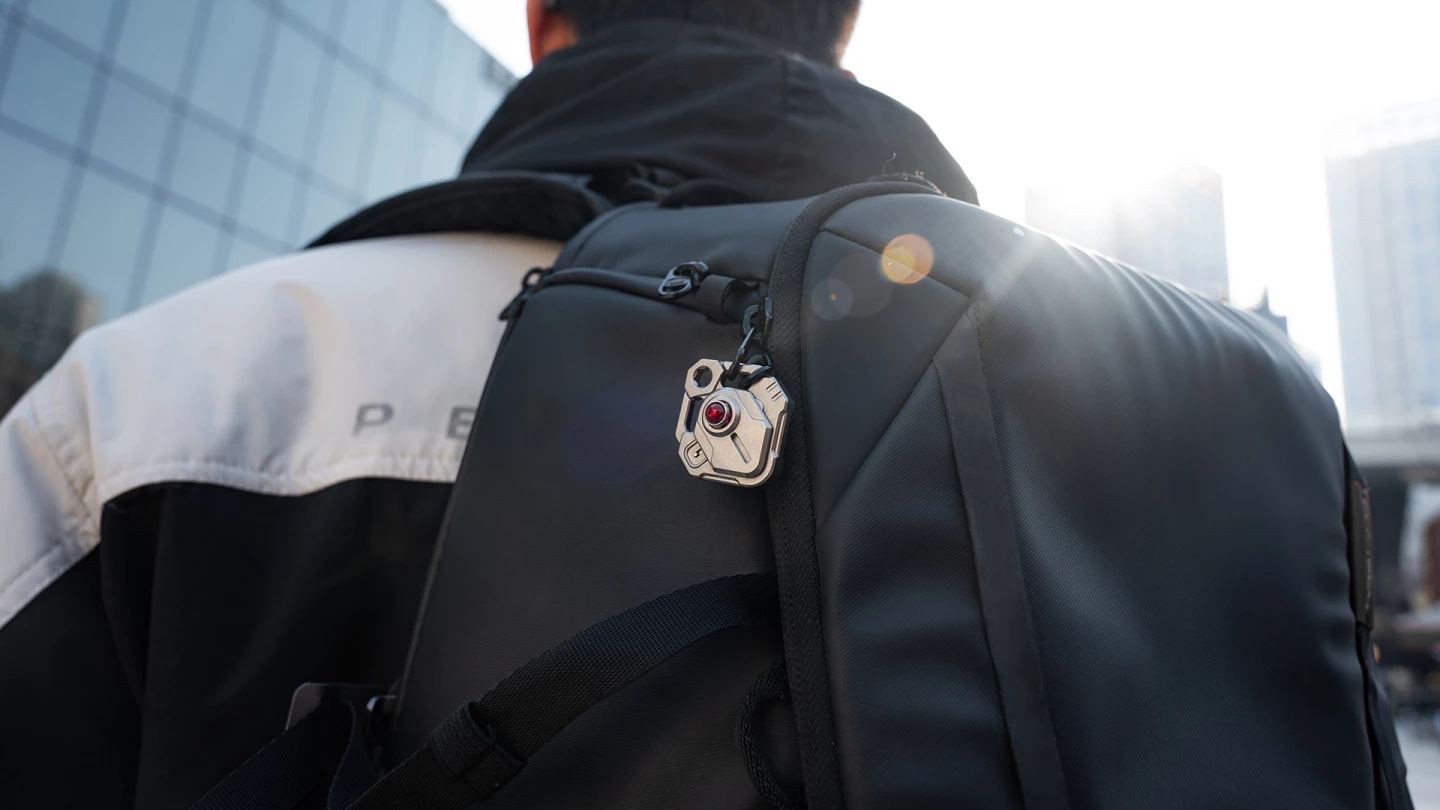
Trident takes a different approach. It maintains a lightweight, compact form while introducing durability and multi-level control. Multiple finishes and exterior treatments are also available, allowing the lock to visually integrate with different backpack styles rather than standing out as a purely utilitarian object.
3 | Material as foundation, structure as value
Trident is machined from GR5 titanium, using precision CNC processes and refined surface finishing to balance strength, corrosion resistance, and weight. However, Titaner emphasizes that material choice is only the starting point.
The product’s defining value lies in its internal structure. Rather than relying on basic clips or spring tension, Trident employs coordinated mechanical components to achieve stable, repeatable locking behavior.
Thanks to its structural strength, Trident can serve not only as a zipper lock, but also as a small-eye gear attachment point. It integrates aspects of a connector, mini tool carrier, and carry accessory, combining protection with visual refinement and system compatibility.
4 | More than just a lock
In line with Titaner’s broader EDC design philosophy, Trident is not defined as a single-purpose product.
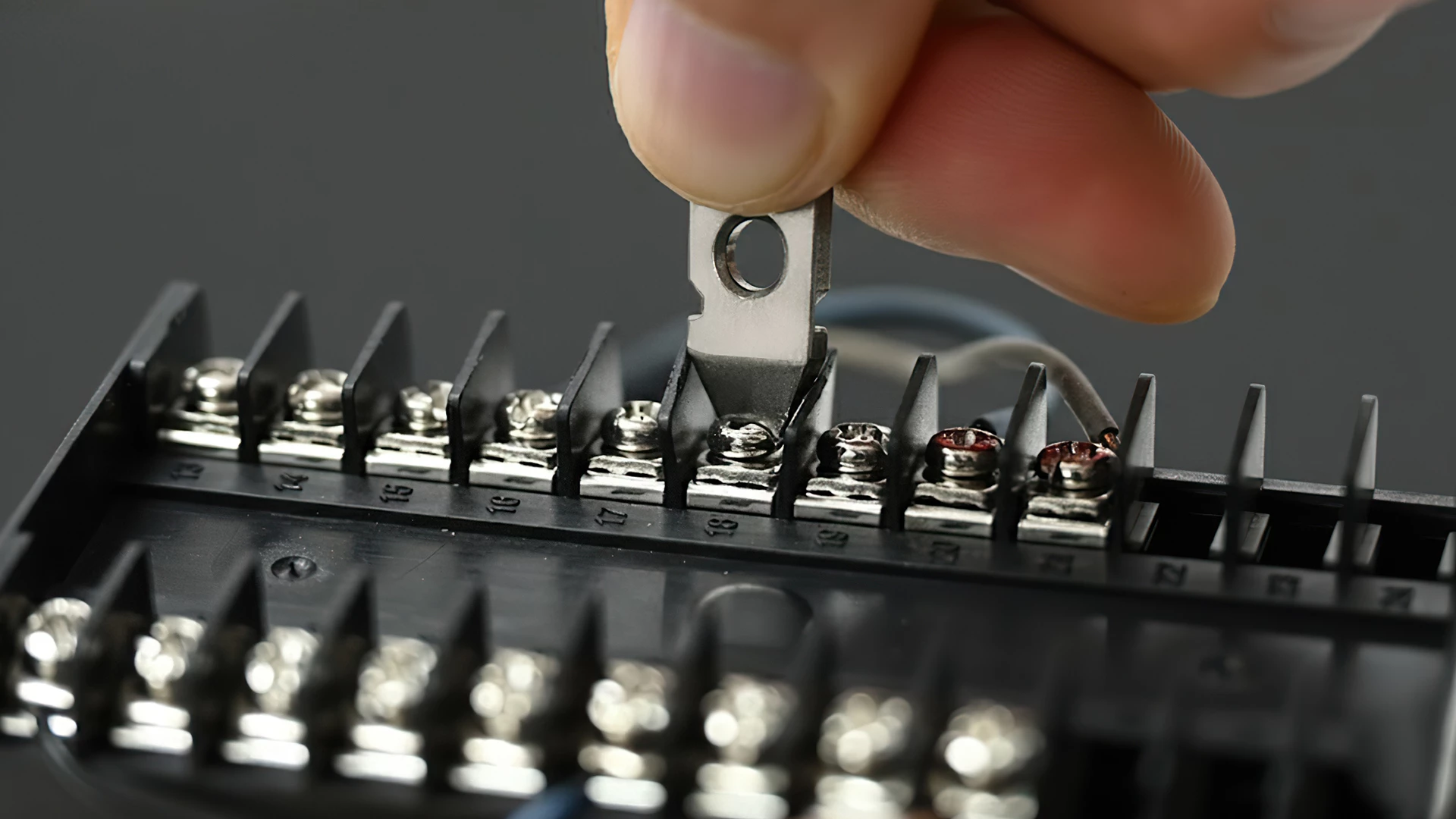
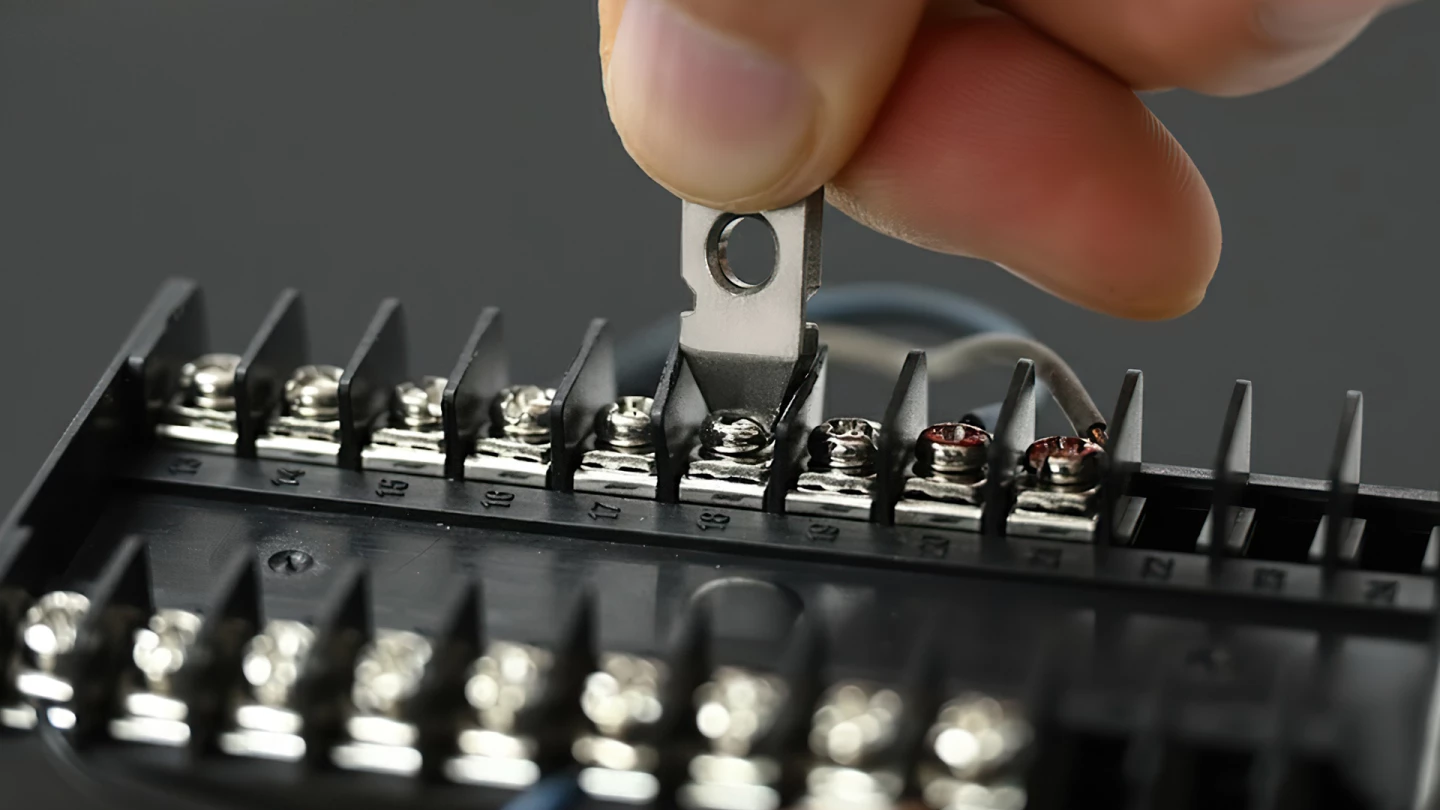
Hidden within its structure are several integrated everyday tools, including:
- A flathead screwdriver
- A hex tool interface
- A compact box cutter
- A small pry tool
For most of the time, Trident remains unobtrusive within a bag or carry system. When needed, it can quickly assume a tool role without requiring additional standalone items.
5 | System-level thinking in a small form
Titaner Trident is not intended to replace high-security padlocks or safes. Instead, it re-engineers a small, frequently used object that has long been overlooked.
What it represents is not a single-feature upgrade, but a system-level design approach—using precise mechanical engineering to allow a very small object to take on multiple functions within everyday carry.

6 | Changing the time cost of theft
A common question arises: does a small zipper-mounted lock truly matter, when a zipper itself could theoretically be cut with scissors?
In reality, most theft does not occur under ideal or controlled conditions. Opportunistic theft typically relies on speed, uninterrupted motion, and minimal exposure—not overt destruction.
Trident does not attempt to make a zipper indestructible. Instead, it changes the time cost of theft. When a zipper cannot be opened immediately, the thief must pause, think, manipulate the mechanism, or even switch tools. That brief interruption—even a few seconds—can be enough to disrupt an otherwise silent process.
In crowded public spaces, an additional five seconds may allow the owner to notice irregular movement, turn around, or at least become aware that theft is occurring.
From this perspective, Trident’s value lies not in absolute theft prevention, but in buying reaction time—turning an unnoticed act into a detectable event.
Availability
Titaner Trident is currently live on Kickstarter and has received support from over 1,300 backers in the early stage of the campaign.【$68】
Rather than making zipper locks more complicated, Titaner applies engineering logic to make a long-overlooked object more controllable, more reliable, and more relevant to real-world use.