
Nanotechnology
-
 At any given moment, 89,000 terawatts of solar power hits the Earth’s surface. Current technology captures only part of it, limited by the solar spectrum. Researchers at Korea University report using gold nanotechnology to harness the full spectrum.
 -
 Harnessing a principle known as triboelectrification, researchers have worked out the optimal way to generate an electrical charge in a relatively simple way. The breakthrough could provide a battery-free way to power wearables and other devices.
 -
 "Imagine a swing that, once pushed, keeps swinging for almost 100 years because it loses almost no energy through the ropes." So says a Delft University of Technology researcher who has helped his team accomplish a parallel feat at the nanoscale.
 -
 Nano-engineering happens all day long in our bodies, and California startup Aether is designing and testing millions of new enzymes to do a range of other useful tasks – like directly extracting battery-grade lithium from sources nobody else can use.
 -
 As anyone who's ever seen a bolt of lightning knows, the air around us can be filled with an astonishing amount of energy. A new study shows a way to harvest this power using a perforated nanofilm that can be made from a vast variety of materials.
 -
 Traditional concrete is so last century. A team of engineers has created a concrete that is strong but flexible, can generate electricity and have its qualities fine-tuned for tailor-made builds. And one day it might even help guide driverless cars.
 -
 Although we've been hearing about stronger forms of concrete, one of the keys to making concrete last longer is to keep water from seeping into it. A new surface sealant could help, as it makes existing concrete 75 percent more water-repellent.
 -
 The Japanese folding paper art form of kirigami has a lot of potential for engineering. Scientists have taken this technique down to the nanoscale for the first time, opening up new possibilities in applications ranging from robotics to aerospace.
 -
 Nanofibers have found use in numerous applications, ranging from lightweight car parts to high-strength materials. Now, thanks to a new understanding of a certain group of spiders, they may soon be easier to work with.
 -
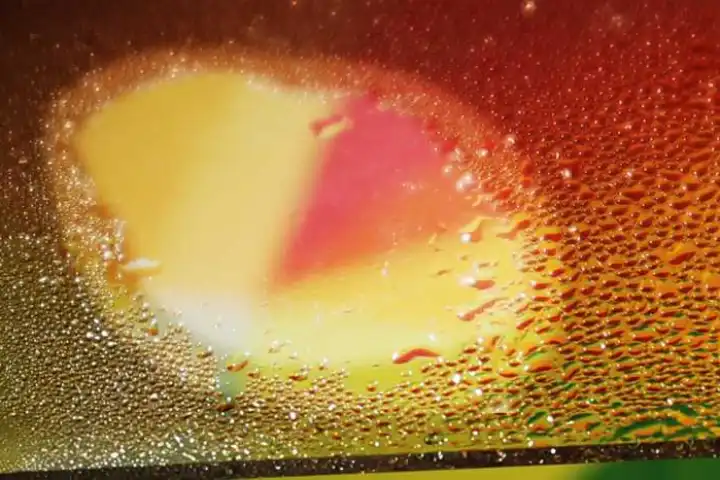 Goggles, glasses and windshield can fog up if there’s a difference in temperature or humidity. Researchers at ETH Zurich have developed a new anti-fog coating that warms up the surface without needing electricity.
 -
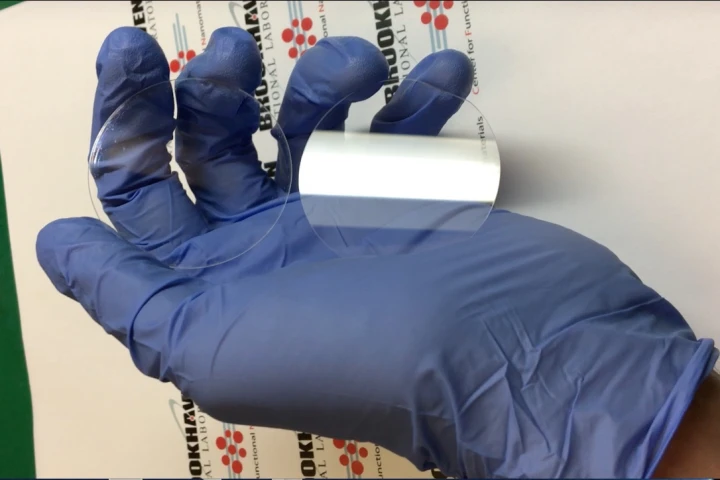 Whether they're on smartphone displays or TV screens, reflections can be a nuisance. Scientists working at Brookhaven National Laboratory, however, have reportedly found a way of almost eliminating them. It involves treating regular glass surfaces by etching tiny nanoscale cones into them.
 -
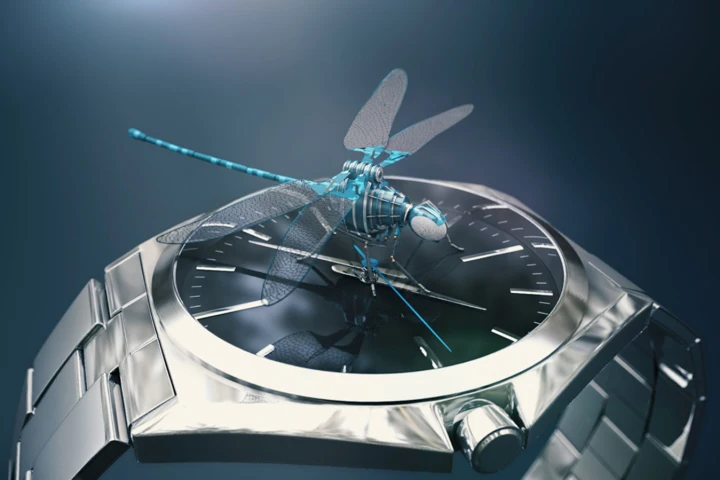 Timex has something of a reputation of a middle-of-the-road, play-it-safe, value-for-money watchmaker, but the company is stepping out of its comfort zone to partner with France-based SilMach and create a new electronic watch movement using Micro-Electro-Mechanical-Systems (MEMS).
Load More