
Biometrics
-
 In a world first, two airports have done away with border guards at counters checking passports and arrival cards, in favor of a new AI-integrated biometric system that lets passengers skip the queue and pass through immigration without stopping.
 -
 A 'safe' handgun is a relative term, but Colorado-based Biofire Technologies is taking a high-tech crack at the idea with its Biofire Smart Gun, which uses an electronic identification and firing system to prevent accidental or unauthorized use.
 -
 If someone steals your smartphone, the harder it is for them to unlock it, the better. New research shows how gait analysis could provide an added layer of security, by authenticating a user's identity based on the way they walk.
 -
 Just like our fingerprints, the shape and pattern of each dog's nose is unique to that animal. Bearing this in mind, pet food company Iams has launched a "nose-centric" app for identifying lost dogs – appropriately enough, it's called NOSEiD.
 -
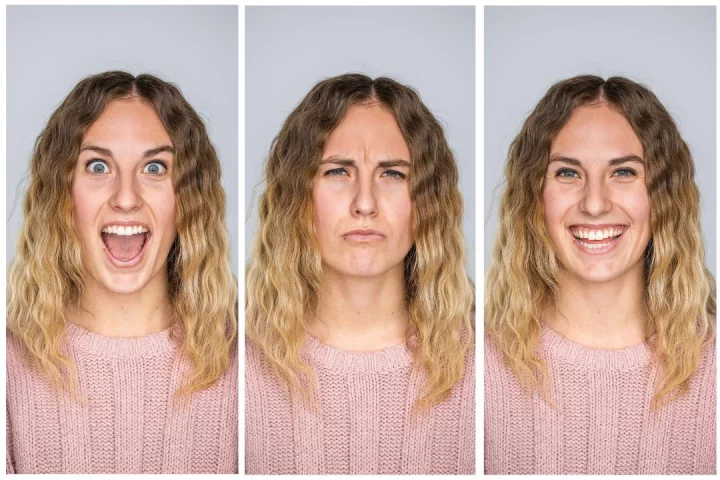 Although facial ID verification tech may seem pretty impressive, it can be thwarted. An experimental new system is claimed to be more foolproof, by requiring users to make specific facial movements.
 -
 More and more, we're seeing bike locks that open not with a key or combination, but with a fingerprint or Bluetooth signal. Almost all of those, however, are U-locks. What if you prefer the more compact form factor and wider reach of a folding lock? Well, that's where the ZiiLock comes in.
 -
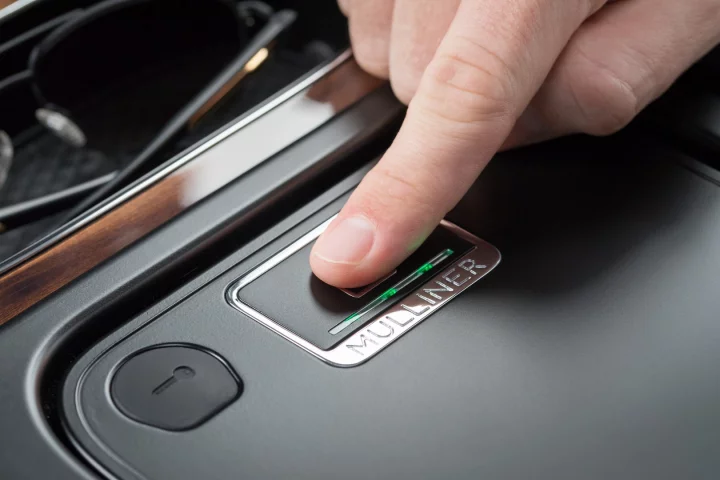 Let's face it – thieves know that high-end SUVs like the Bentley Bentayga are likely to contain stuff worth stealing. The automaker's Mulliner division obviously realizes that, because it's introducing an optional biometric secure stowage unit for the vehicle.
 -
 Biometric security is becoming an increasingly popular option for tech companies wanting to offer peace of mind to their users, because it's harder to spoof a fingerprint than steal a password. Now Fujitsu has unveiled the latest unlocking method for Windows 10: palm vein recognition.
 -
 Component maker Synaptics says its first in-display fingerprint sensor is now in mass production. And it's coming to a phone made by one of the top five manufacturers in the world sometime next year – which may mean we won't see every Android phone maker switch to a Face ID-style biometric system.
 -
 While our voices are increasingly being used for biometric identification, they're not an infallible form of ID. It was with this in mind that researchers at the University of Michigan created VAuth ("vee-auth"), which adds an extra level of security to the technology.
 -
 The launch of the iPhone X and its new facial unlocking technology has thrust biometric security back into the popular discourse. A team at the University of Buffalo has now developed a new biometric tool that analyzes the dimensions of your heart to unlock your phone or log in to your computer.
 -
 On the Galaxy S8 and S8+, Samsung included not one, not two, but three biometric ways to unlock your phone: the fingerprint sensor, iris scanner and face recognition. Samsung touted the latter as a faster and more convenient alternative to iris scans. But it didn't mention how easy it was to trick.
Load More