
Disease
-
 As Aedes aegypti spreads further across the world, can natural mosquito “birth control” fight some of the world’s most fearsome diseases?
 -
 An analysis of nearly 100,000 people has found that those who get too little sleep each night face an increased risk of dozens of diseases. So when are we going to start taking sleep seriously when it comes to our long-term health and lifespan?
 -
 Ten months on from the huge news that a chlamydia vaccine had been approved for Australia's koalas, a young female has become the first to receive the groundbreaking medicine in a new dose-and-implant format that makes large-scale treatment possible.
 -
 A company known for its AI image generation has made a surprise pivot – to healthcare. Midjourney says it will deliver a "new form of medical imaging" to map the body, in a day-spa setting, with the first center due to open to the public in 2027.
 -
 In a completely different kind of germ warfare, researchers have tested out a way to drop mosquitoes infected with disease-fighting bacteria over populations prone to outbreaks of dengue fever. It's an ingenious way to scale up a proven solution.
 -
 If you're trying to disperse 300,000 disease-fighting mosquitos per day, using a drone may well be your best bet for doing so. The technology has already been tested in Brazil, where it showed very promising results.
 -
 Killing up to 200,000 people annually, schistosomiasis is one of THE most deadly parasitic diseases in the world, second only to malaria. Soon, however, prawn aquaculture could be used to control the snails that spread it – and to provide revenue for people in developing nations.
 -
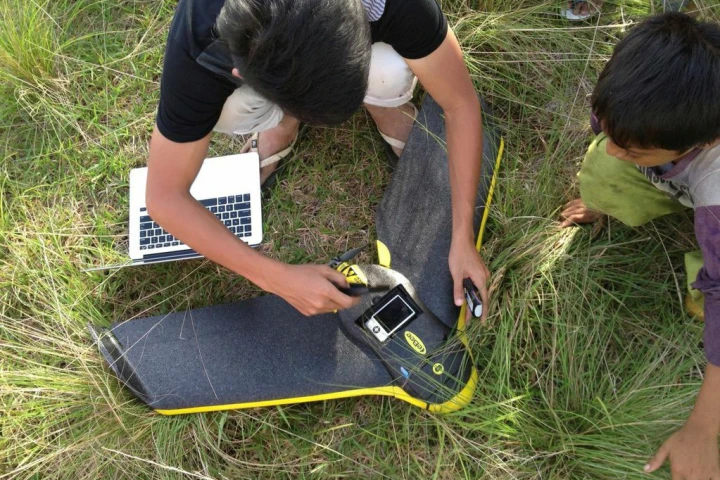 Over the last ten years, a new type of malaria has been on the rise in the forests of Southeast Asia. By using drones to observe the environment from above, researchers are gaining a new perspective on how changes to the terrain may be impacting local wildlife and causing the spread of the disease.
 -
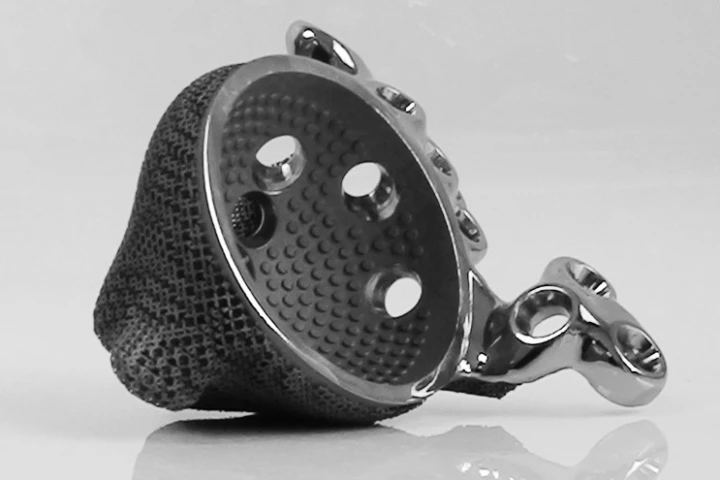 Alongside NBA figurines and pizza, 3D printing technology continues to provide valuable solutions in the field of medicine. Mobelife, a Belgian implant design company, has 3D printed a custom hip implant, giving a once wheelchair-consigned teenager the ability to walk on her own.
 -
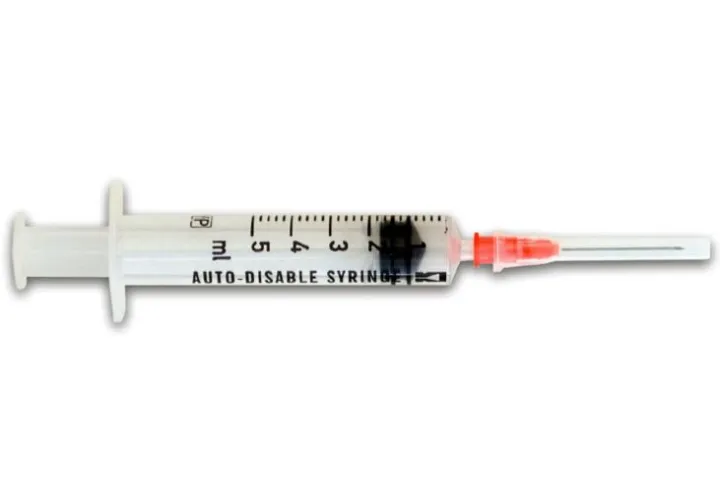 Star Syringes' K1 Auto Disposable syringe can only be used once, to reduce the spread of disease through the reuse of syringes on multiple patients.
 -
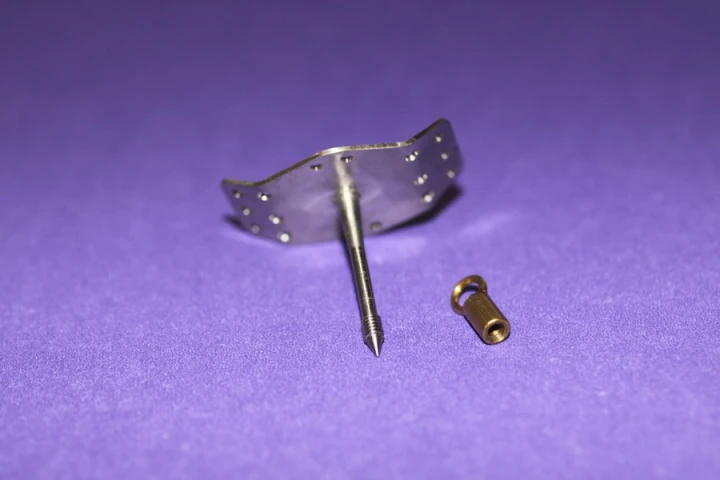 A new device, which is pierced through a patient's throat, allows them to swallow by using their hand.
 -
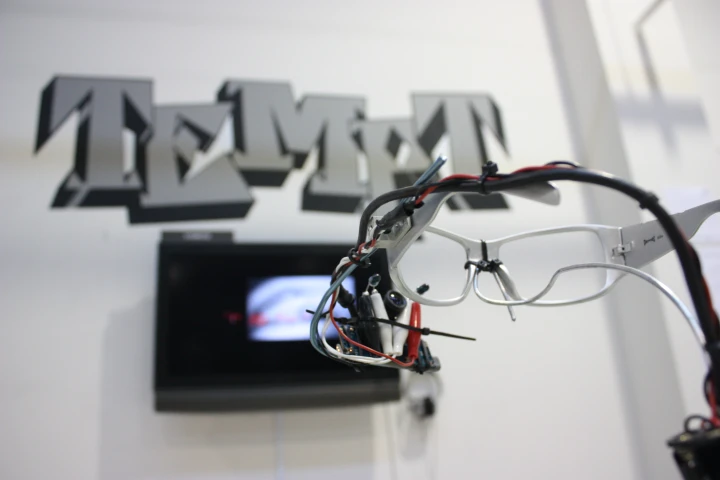 The Eyewriter project has developed a low-cost, open source eye-tracking system that will allow graffiti writers and artists with paralysis to draw using only their eyes.