
KTH Royal Institute of Technology
-
 A plane wing that changes shape in flight to better handle the airflow crossing it could be on the horizon thanks to a materials science advance from researchers in Stockholm. The trick involves the melting and hole-punching power of lasers.
 -
 Wood isn’t usually very good at conducting electricity, but now scientists have created the first functional wooden transistor. It’s not the best, and it requires some processing, but it does work and could help make for biodegradable electronics.
 -
 By tinkering with fine details within wood, engineers in Sweden have come up with an interesting new way of harvesting electricity that leverages natural processes that already take place in drying wood.
 -
 Imagine if you were an amateur singer or athlete, and you were able to "feel" the manner in which a professional breathes while performing. That's just one of the potential uses of a new "smart" fiber, which could also have medical applications.
 -
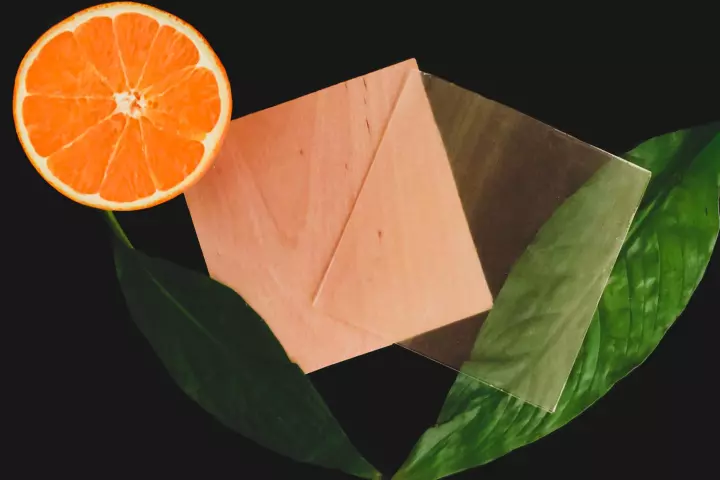 Scientists at Sweden's KTH Royal Institute of Technology have produced a completely renewable version of see-through wood thanks to the addition of a fruit peel extract, which also happens to make it more translucent than previous versions.
 -
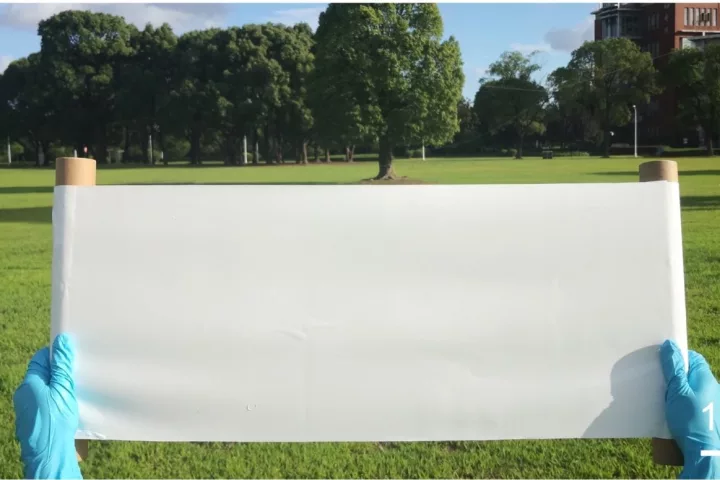 Heating and cooling systems are huge consumers of energy, so passively cooling buildings and electronics could help the environment. A new photonic film could be just the ticket, made with a micro-structure inspired by a beetle that likes it hot.
 -
 Although we have seen "morphing" structural materials before, they typically incorporate solenoids, pumps or motors. Now, however, scientists have developed a carbon fiber composite that shifts shape with a simple shot of electricity.
 -
 Scientists at Sweden's KTH Royal Institute of Technology have developed a new film they say can be layered over the top of solar cells to capture infrared light, boosting their efficiency by as much as 25 percent.
 -
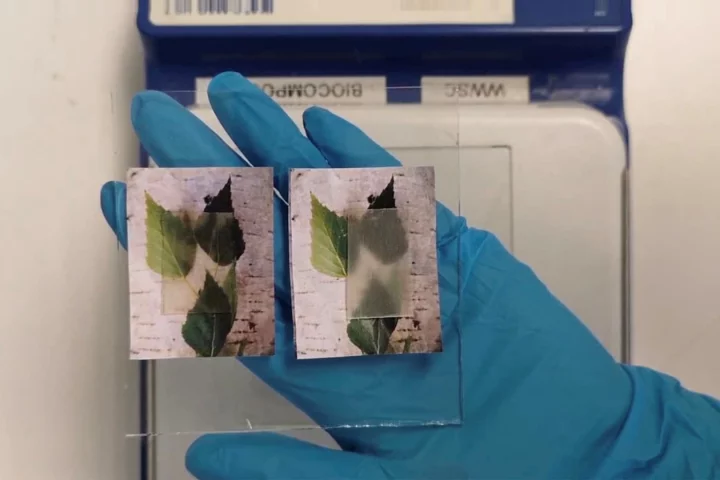 Three years ago, we heard how scientists from Sweden's KTH Royal Institute of Technology had created transparent wood – it could serve as a cheaper alternative to the silica-based glass used in windows and solar cells. Now, the material is additionally able to store heat and later release it.
 -
 Given that they're applied to items such as furniture and home insulation, it would really be best if flame-retardant coatings didn't emit toxic fumes. That's why scientists from Texas A and M University have developed a non-toxic alternative, made from natural renewable materials.
 -
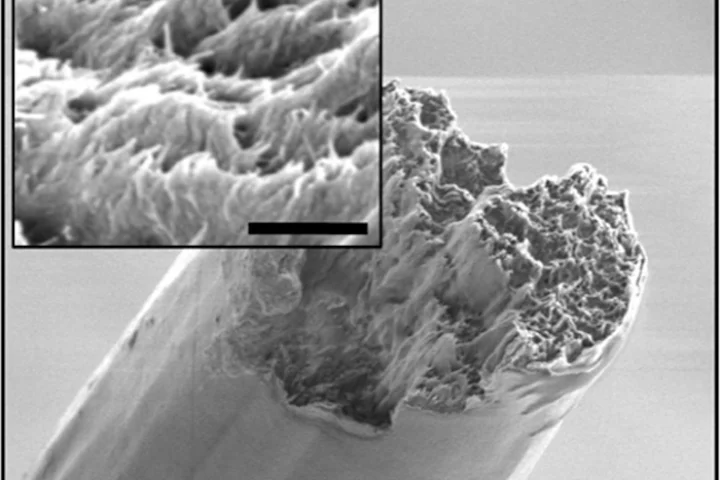 Spider silk has long held the title of strongest natural biomaterial. Now, researchers at the KTH Royal Institute of Technology have developed a new biomaterial out of wood nanofibers that steals the strength record.
 -
 Researchers in Sweden are developing a device that increases the fuel efficiency of trucks by cloaking them in electric wind. Using plasma actuators to charge the air, the new technology controls the flow of wind around the truck to reduce drag and could improve fuel consumption by five percent.
Load More