
Membrane
-
 Fraunhofer scientists have used ultra-thin diamond membranes to drastically cool electronic components and boost electric vehicle charging speeds, taking advantages of diamond's outstanding thermal conductivity.
 -
 A new type of desalination membrane uses a series of nanoscale tubes lined with a Teflon-inspired material that repels salts while allowing water to flow through with little friction. The team says it's fast, and requires little pressure and energy.
 -
 The vast majority of water on Earth is undrinkable, but desalination could be a vital technology to meet the world’s drinking water needs. Now, Korean engineers have developed a new nanofiber membrane that can operate efficiently for long periods.
 -
 It can be difficult to separate water from oil, which makes water pollution tricky to clean up. Now, researchers at North Carolina State University have found that a bacterial biofilm membrane can effectively let water through while keeping oil out.
 -
 Researchers have developed a new type of fabric that keeps the wearer much cooler. Made from different polymers in a relatively simple way, it can efficiently transfer heat and wick away sweat, while remaining water repellent from the outside.
 -
 Rather than always replacing parts, fixing things or just throwing them away, self-healing materials can patch themselves up as required. Now, researchers at are working on extending the life of membranes in hydrogen fuel cells by equipping them with similar self-healing powers.
 -
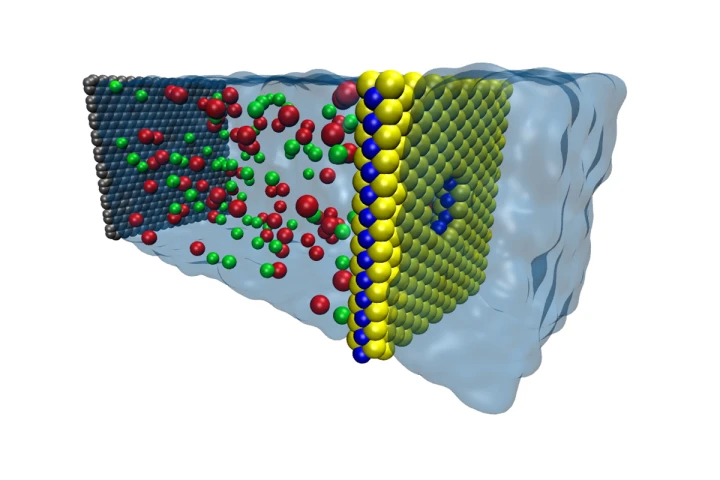 Engineers have used nanotechnology to model a new membrane that can filter salt from seawater at higher volumes than ever before. The membrane, made from molybdenum disulfide, “pulls” clean molecules water through itself. Potentially, this could make desalination plants much more energy-efficient.
 -
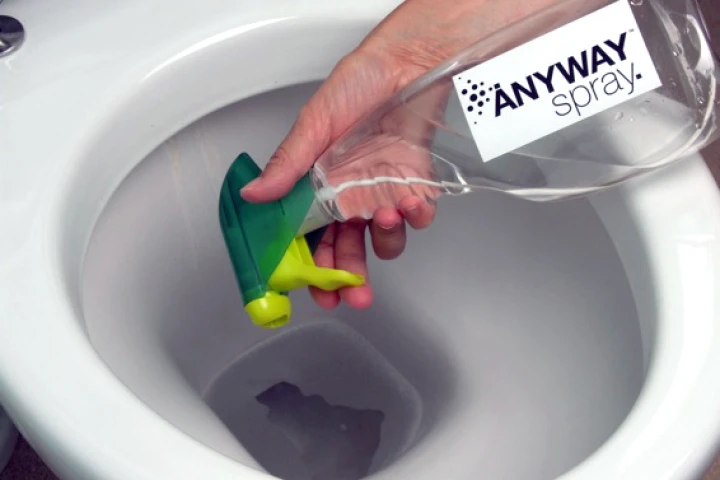 The ANYWAY Spray is a tube that allows people to use spray bottles at any angle, right down to the last drop.