
Optical Computing
-
 By calibrating a “light pump” to match the optical composition of a medium, researchers can shoot a “probe” beam at a new deflection angle. Surpassing previous electronic means, Caltech’s light-bending opens the door to hyperspeed computation.
 -
 We want fast computers. Light is the fastest thing there is, so light-based computers sound perfect. However, sometimes computing is about data arriving on cue, and not on time. Researchers have designed a photonic chip that can slow light on demand.
 -
 Massively faster, more scalable, and more energy efficient than electronic computation, single-shot tensor computing uses light’s amplitude and phase to store, process, and send data. It could "create a new generation of optical computing systems."
 -
 A powerful new optical chip can process almost two billion images per second. The device is made up of a neural network that processes information as light without needing components that slow down traditional computer chips, like memory.
 -
 Researchers have now developed the fastest logic gates ever created, by zapping graphene and gold with laser pulses. The new logic gates are a million times faster than those in existing computers, demonstrating the viability of “lightwave electronics.”
 -
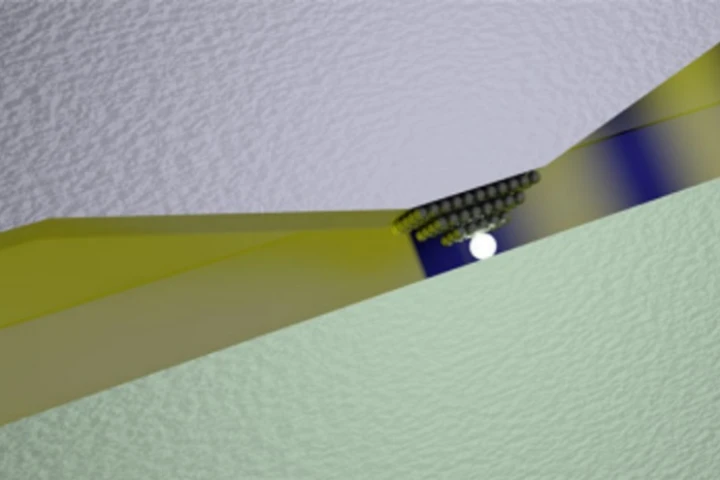 Researchers at ETH Zurich claim to have created both the world's smallest optical switch using a single atom, and accompanying circuitry that is smaller than the wavelength of the light that passes through it.
 -
 A team of international researchers has developed artificial crystals with unique optical properties that could lead to advances in quantum computing and telecommunications. Their inspiration? The glorious green wings of the Callophyrs Rubi butterfly.
 -
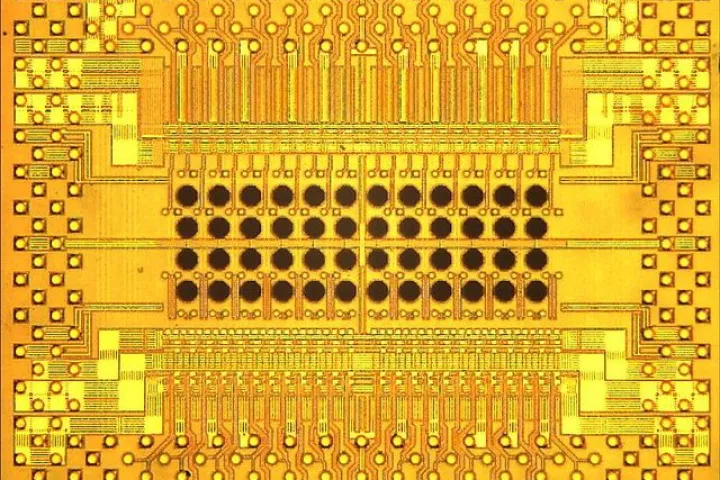 IBM has created an optical chip that is capable of transferring one trillion bits of data per second.
 -
 A potentially game-changing property of the exotic man-made substances known as metamaterials could be a breakthrough for telecommunications.