
Processing
-
 Every year, billions of phones are discarded with their processors intact. Meanwhile, the AI sector spends billions on new chips at high environmental costs. Google is developing a way to bridge these two realities with a server made from old phones.
 -
 At MIT, a new kind of AI model has come online. A supercomputer capable of two AI-exaflops, fuses more than six hundred GPUs into a single pulse of intelligence. It promises to accelerate breakthroughs in medicine, climate modeling, and beyond.
 -
 Existing processors in PCs, smartphones and other devices can be supercharged for enormous power and efficiency gains, according to UC Riverside. With no changes to hardware, this new approach to the software squeezes extra juice out of your system.
 -
 Responses to AI chat prompts not snappy enough? California-based generative AI company Groq has a super quick solution in its LPU Inference Engine, which has recently outperformed all contenders in public benchmarks.
 -
 It turns out that neural networks might also need sleep to function at their peak. And it’s not just a matter of turning them off every now and then – the neurons benefit from exposure to slow-wave signals like those in a sleeping biological brain.
 -
 Before we drink cow's milk, it is routinely pasteurized and homogenized to make it safe and consistent. Australian outfit Made by Cow says that this eliminates much of its goodness and flavor, so has created a new cold press method that makes it safe to drink much closer to its fresh state.
 -
 Pulling chicken breasts off the bone can be a fiddly process, and often results in flesh being wasted by getting left behind. In a factory setting, that means slower processing times, and less meat to sell. That's why the Norwegian CYCLE project is developing an industrial robot to do the job.
 -
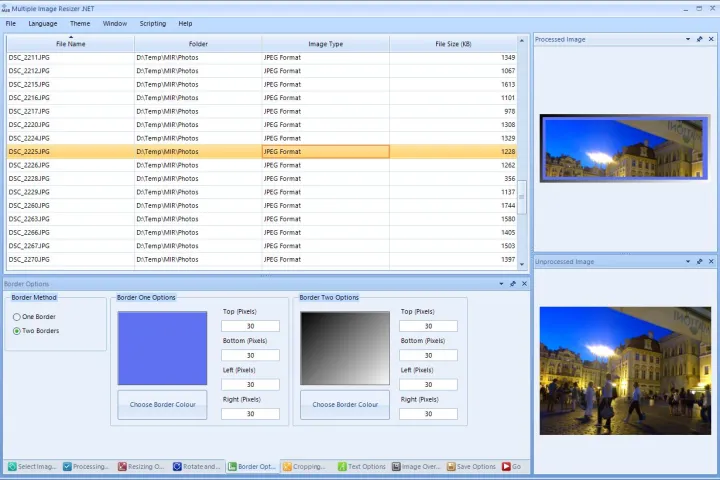 Resizing multiple images can be a time-consuming process. Lots of batch resizing tools, however, are badly designed, drastically reduce image quality or simply aren't supported by their manufacturers any more. Multiple Image Resizer .NET (MIR) avoids all of these pitfalls.
 -
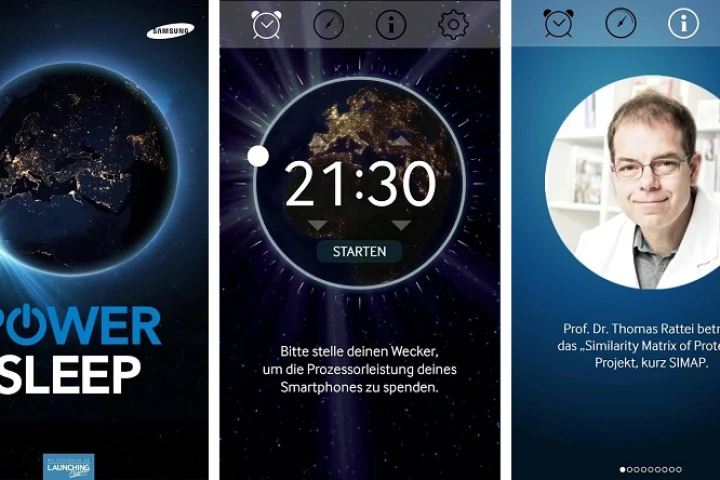 Power Sleep is a new Android app that allows mobile phone users to donate the processing power of their devices to scientific research while they are asleep.
 -
 A 110-core CPU chip based on a new architecture has been developed and committed to silicon by MIT researchers. Instead of bringing data to a core that needs it, the program on the core is moved to a core that can directly access the data, thereby reducing on-chip traffic more than tenfold.
 -
 At about one-eighth the volume of a grain of rice and weighing only a few milligrams, the STA333IS digital audio chip and power amplifier offers a tiny solution for converting digital audio into a 10 watt/channel stereo for anything from a boom box to a backyard sound system.
 -
 Rapyuta: The RoboEarth Cloud Engine allows robots to perform complex data processing in the cloud.
Load More