
Saarland University
-
 When you think of glass, you probably picture something fragile and brittle, not a material built for high-stress electromechanical components. Yet researchers are significantly improving the efficiency of electric motors by using “glass” parts!
 -
 Researchers in Germany have demonstrated quantum entanglement of two atoms separated by 33 km (20.5 miles) of fiber optics. This is a record distance for this kind of communication and marks a breakthrough towards a fast and secure quantum internet.
 -
 It's easy for us to forget that our computers are equipped with "electronic eyes," potentially watching us at all times. Scientists are now exploring the dynamics of the relationship, with a creepy – but fully functional – human-eye-like webcam.
 -
 Although it's possible to 3D-print metal objects, such items can't always be formed down to the sub-millimeter precision required for certain applications. A new technique, however, allows them to be infinitesimally tweaked after being printed.
 -
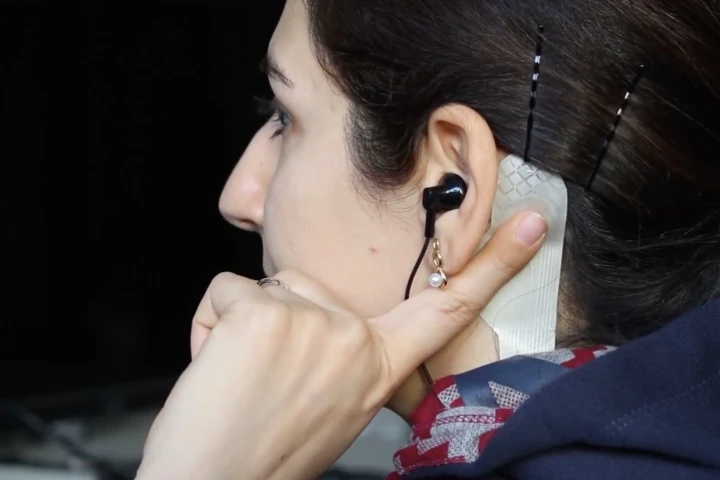 In 2015, scientists from Germany's Saarland University presented us with their iSkin stickers, which could be placed on the body to touch-control mobile devices. Now, led by Prof. Jürgen Steimle, they've built upon that technology to develop what's known as Multi-Touch Skin.
 -
 Robots are often equipped with vacuum grippers, for holding onto flat objects. Typically, those grippers are powered by compressed air, which has some drawbacks. Now, however, scientists have developed one that instead utilizes an artificial muscle.
 -
 Back before the bicycle was invented, people rode something known as the draisine or "dandy horse." It was like an adult-sized version of the balance bikes still used by toddlers today. Now, a team of computer scientists has created a gloriously retro electric-assist draisine.
 -
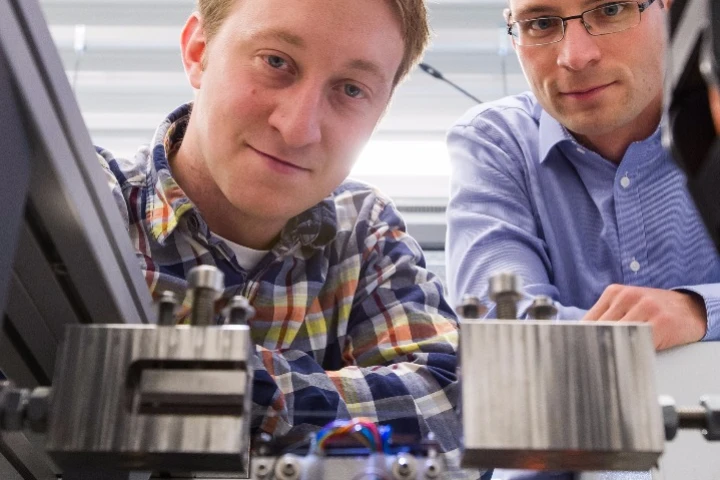 In an effort to make a greener, more energy efficient cooling system, a team of engineers from Germany's Saarland University is turning to shape memory materials to replace the refrigerant gases used in conventional cooling technologies.
 -
 Engineers from Germany's Saarland University have taken a unique approach with their prototype artificial hand. It moves its fingers via shape-memory nickel-titanium alloy wires, bundled together to perform intricate tasks by working like natural muscle fibers.
 -
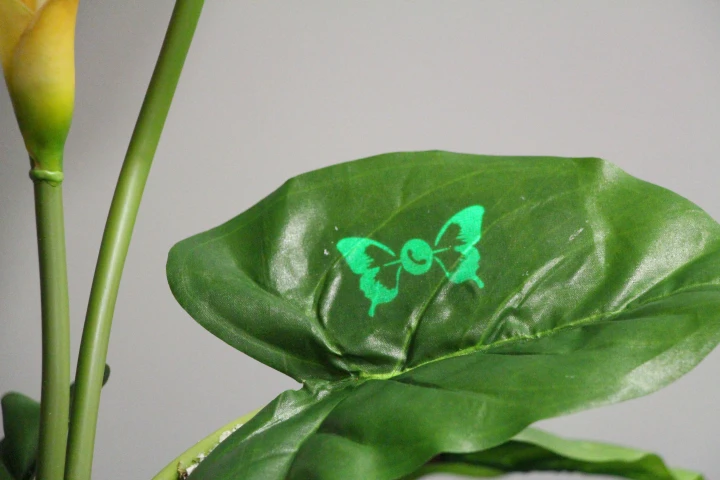 Computer scientists from Germany's Saarland University who have developed a technology called PrintScreen which allows anyone to print custom DIY displays using basic screen printing or even off-the-shelf inkjet equipment.
 -
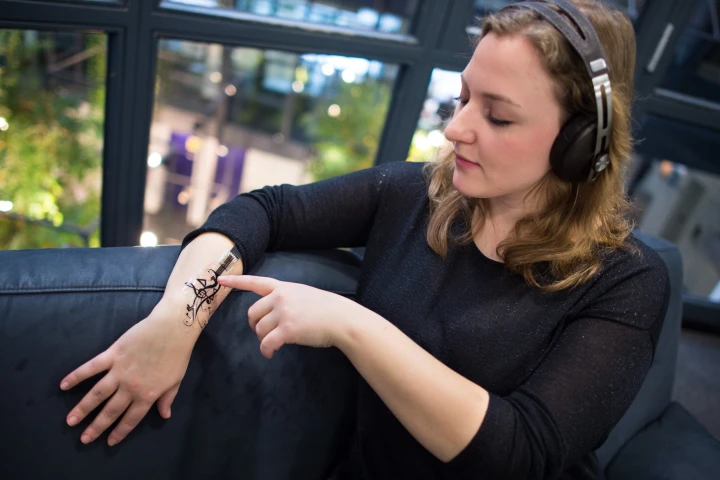 While a wrist-worn smartwatch may be easier to access than a smartphone that has to be retrieved from a pocket, the things certainly have tiny screens. That's where iSkin comes in. It allows users to control mobile devices using flexible, stretchable stickers that adhere to their skin.
 -
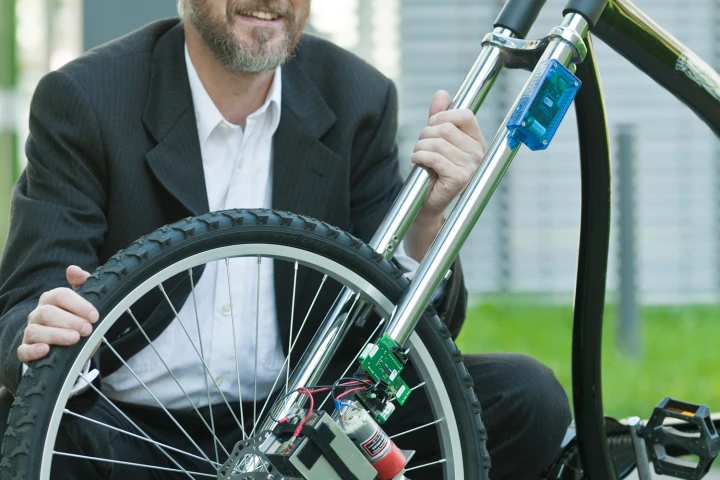 Scientists have developed a wireless braking system for bicycles.