



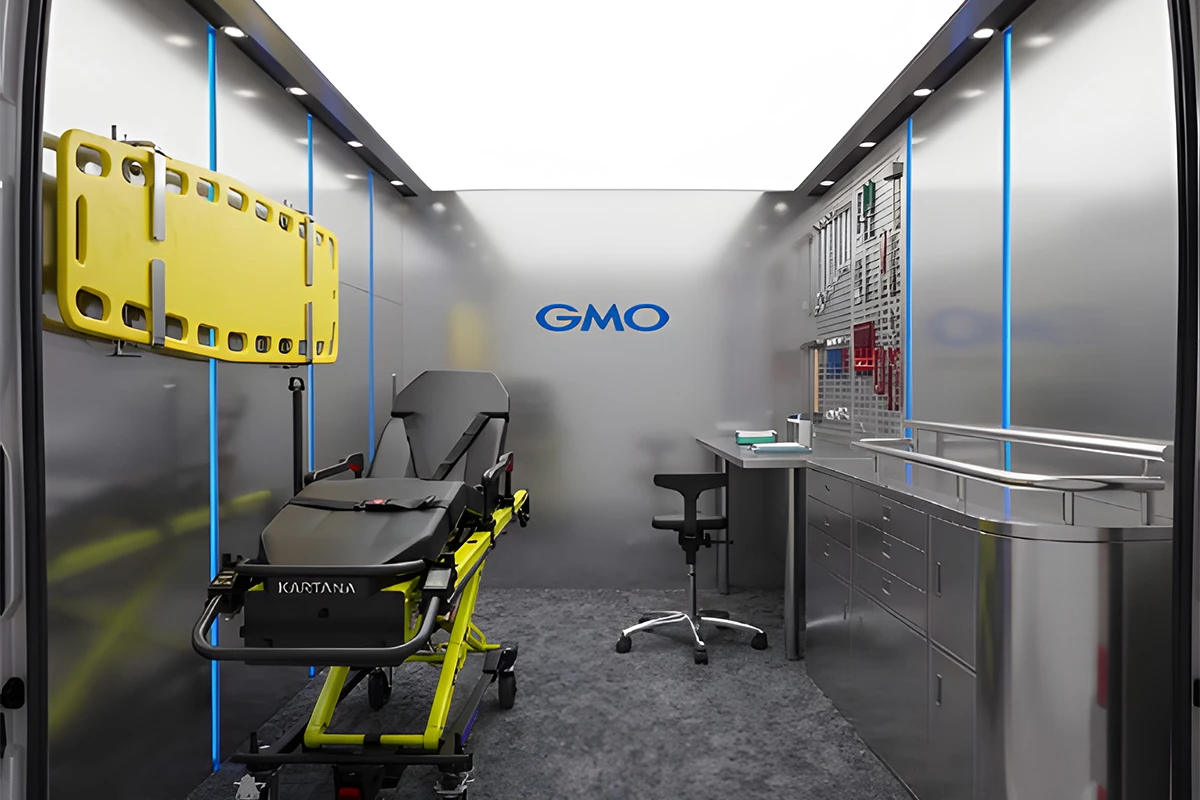



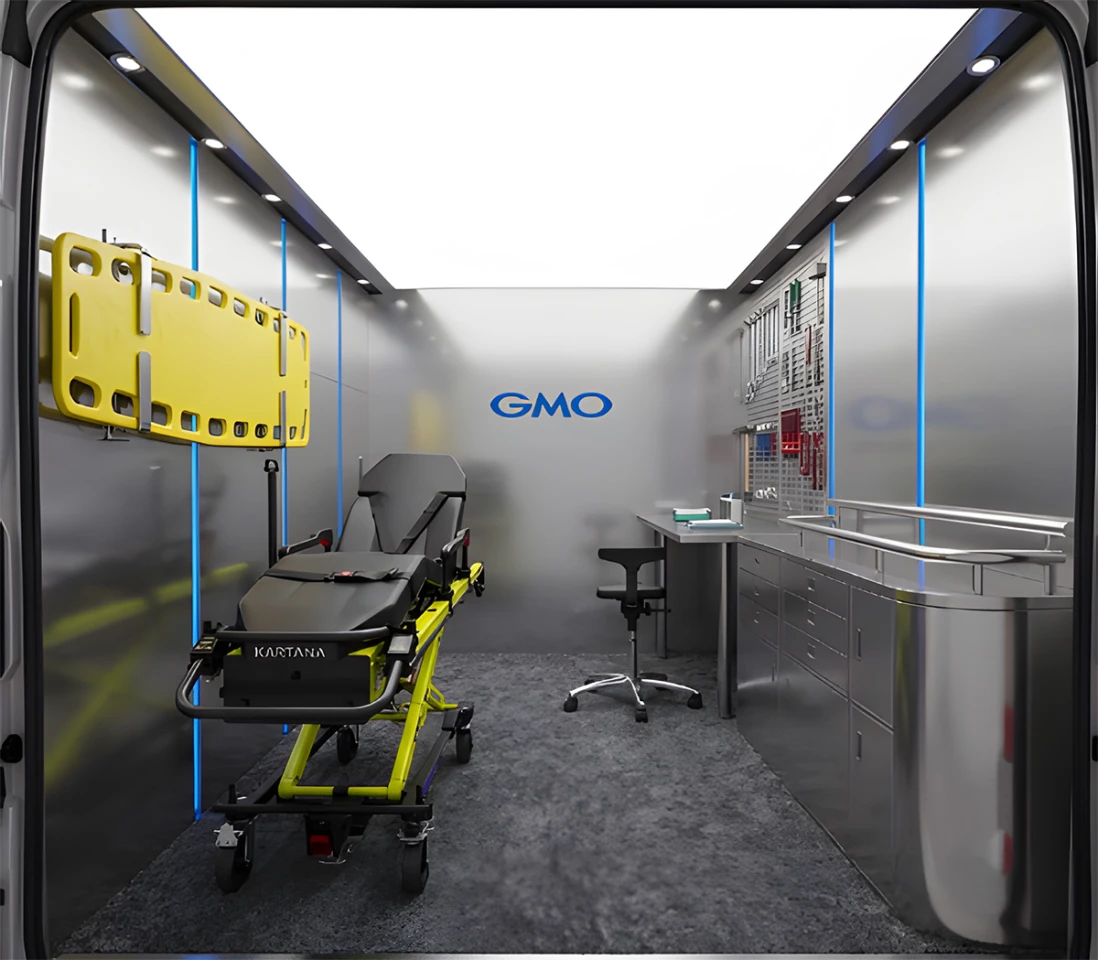
Before humanoid robots fully integrate into our societies and inhabit our homes, factory floors, and workspaces, a Japanese firm is thinking one step ahead. GMO has just unveiled a "Humanoid Ambulance" that it will roll out this month to handle maintenance tasks on-site.
This is the country's – and arguably the world's – first dedicated vehicle designated to handle humanoid maintenance and troubleshooting.
It resembles a conventional van-style ambulance used for medical emergencies, albeit with custom graphics on the exterior that spell out its specialization.
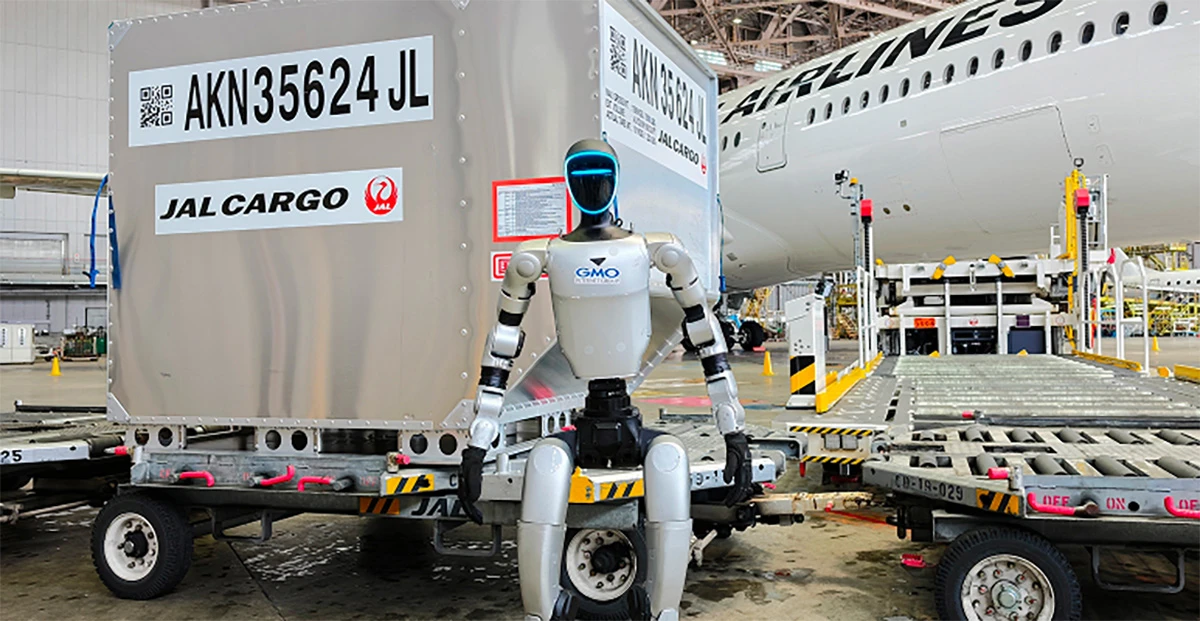
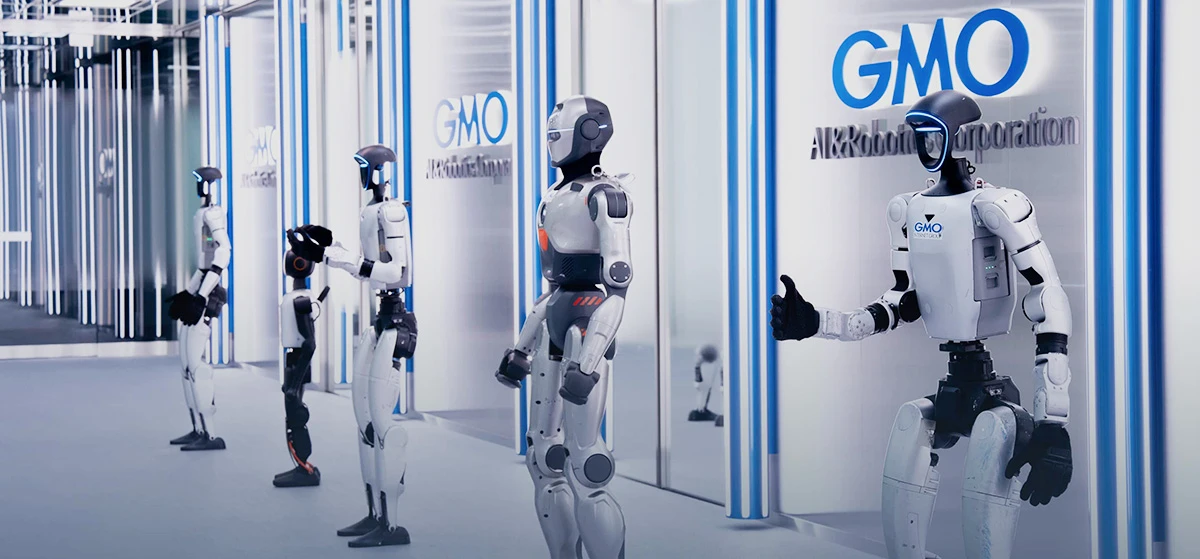
The ambulance comes from the AI and robotics division of GMO Internet Group, which supplies and robots from various manufacturers like China's Unitree, and facilitates allied services. Earlier this year, it was in the news for partnering with Japan Airlines to have humanoid robots assist its ground support staff handling baggage and operating equipment at Tokyo's Haneda Airport.
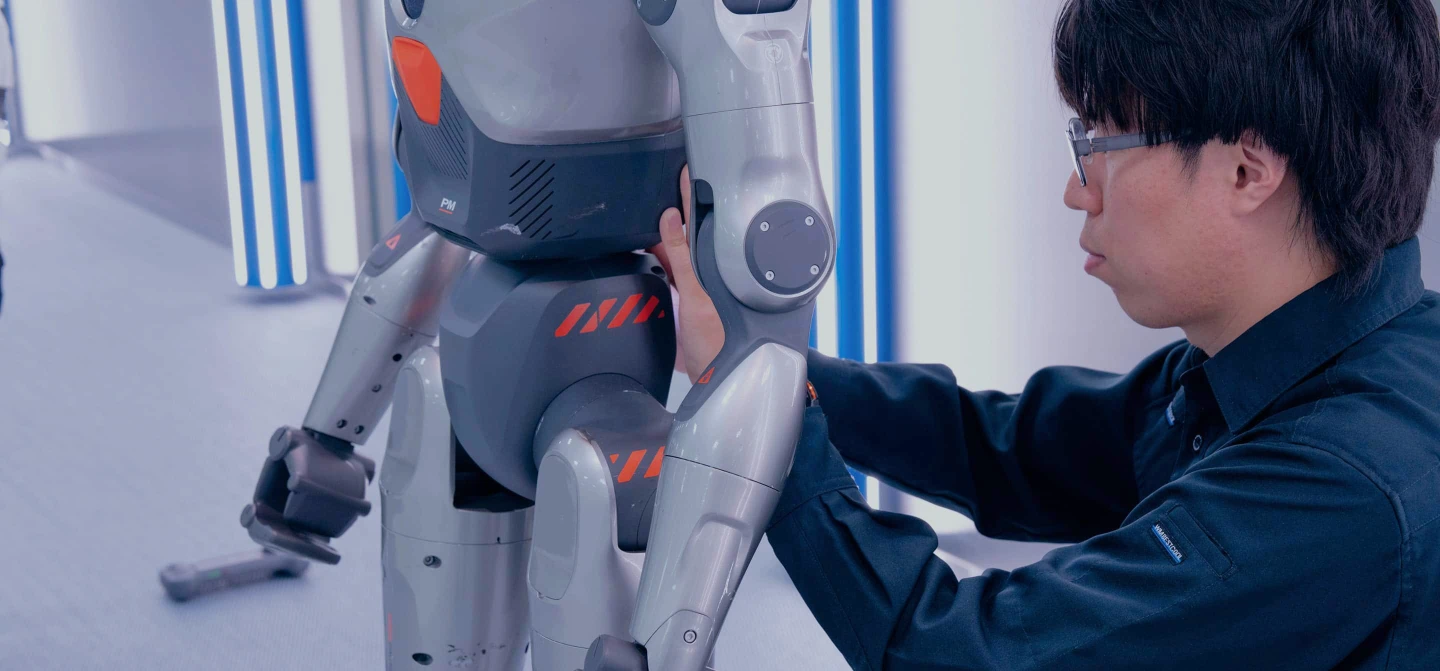
As such, this ambulance is meant to service bots sold by GMO, and will have a trained engineer on board to rectify issues. The company noted that if it can't fix a malfunctioning robot on the premises during a house call, the ambulance service will haul it away to a repair facility, and provide a replacement unit to boot.
It might sound like a wacky idea, but the reality is we might need more of this sort of infrastructure in just a few years' time.
Humanoid robots are being built to tackle household chores, provide company to seniors, assemble products in factories, and move inventory around warehouses. We're also seeing rapid development of AI models that guide robotic movements and capabilities, and there's even a push to make it easier for people to train robots and share those skills so others can use them with their hardware.
According to consulting giant McKinsey & Co., the global robotics market is set to expand to about US$370 billion by 2040. While China is poised to capture half of that total value in the next decade and a half, Japan's government is eyeing a 30% market share, which works out to nearly $125 billion.
So this ambulance – likely the first of many – is a small part of Japan's attempt to build systems to address the challenges of a new high-tech industry ahead of time. I wager we'll next see software for managing entire fleets of robots and automatically distributing workloads among them.
Source: GMO Internet Group


