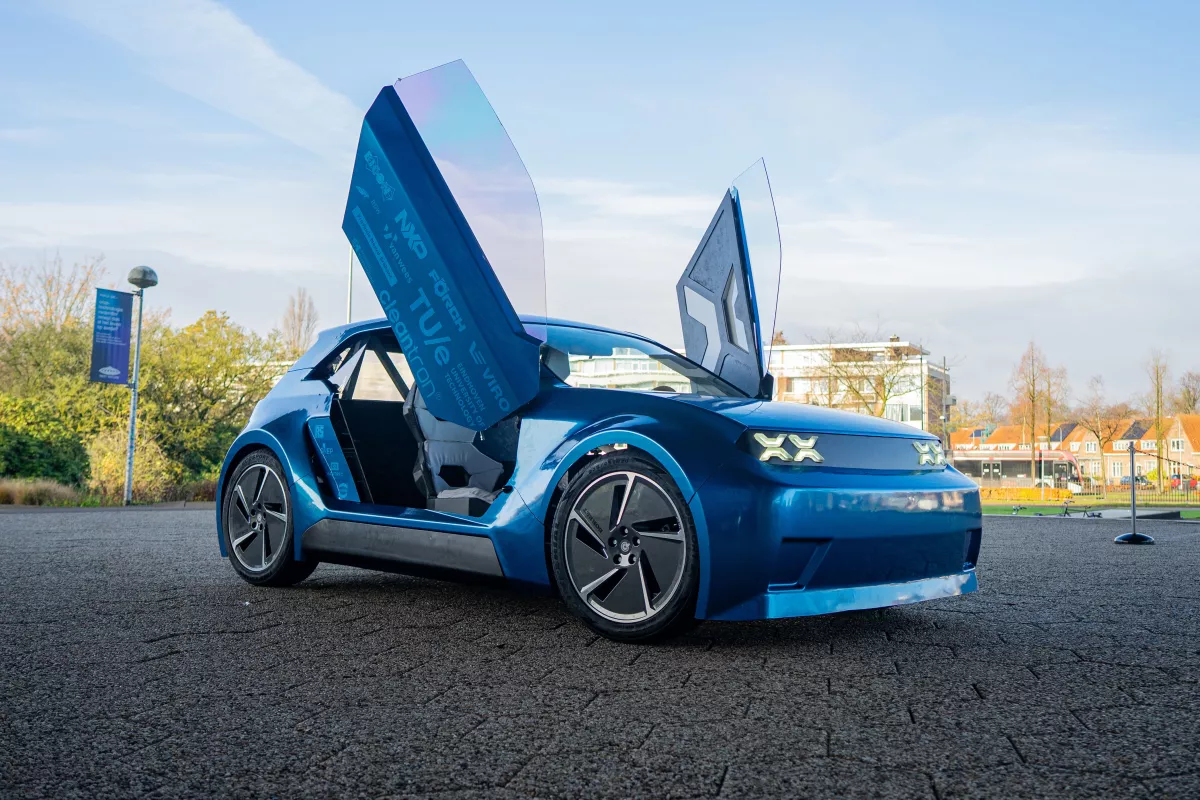
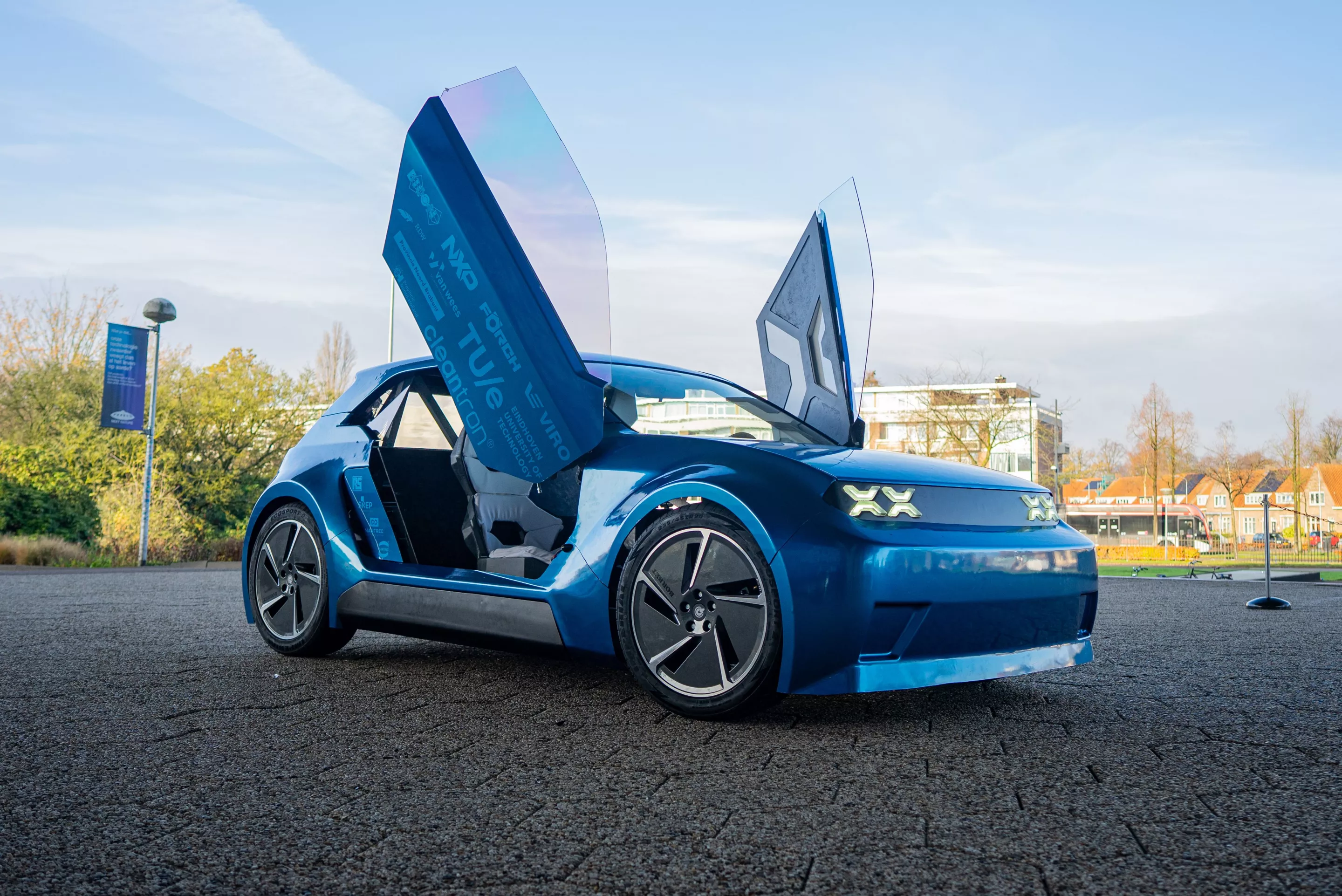
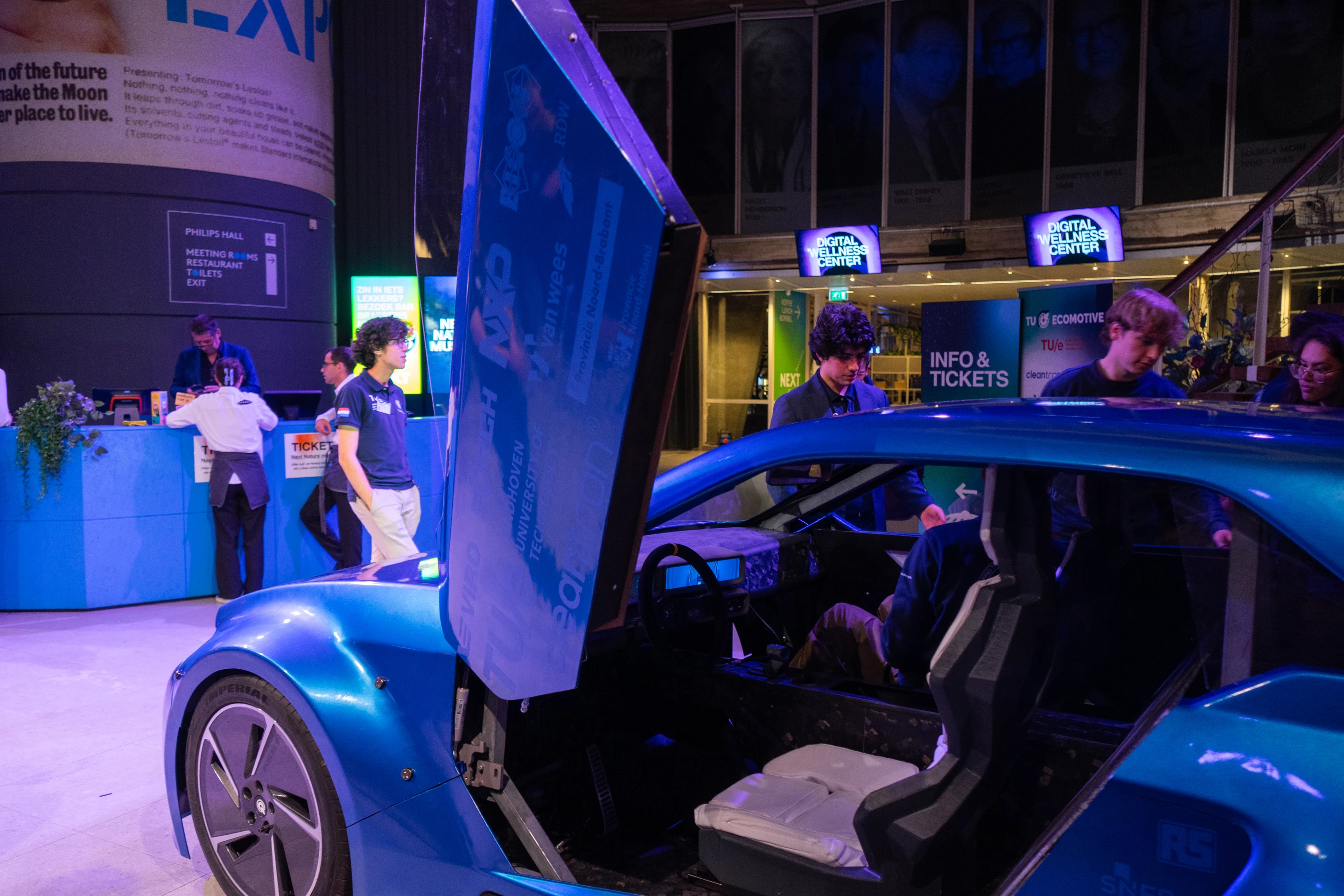


A team of students from the Netherlands has demonstrated that it is possible to produce an affordable electric vehicle (EV) that owners can maintain and repair themselves. Even if they have the mechanical expertise of a toddler.
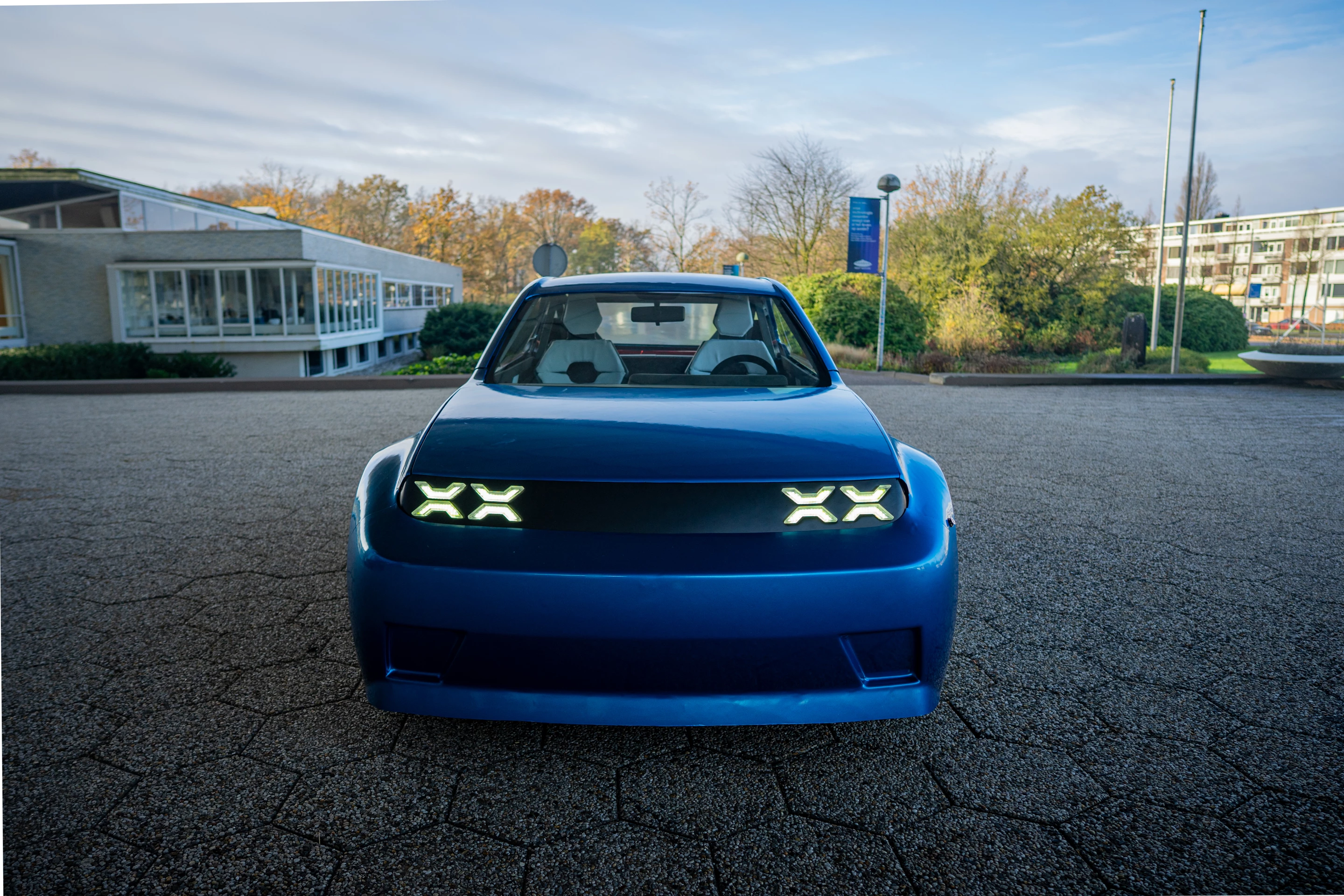
The car is called ARIA – 'Anyone Repairs It Anywhere' – and is the tenth electric vehicle prototype created at Eindhoven University of Technology (TU/e), in the Netherlands. Prototypes by previous ecomotive teams could scrub CO2 from the air as they drive, were manufactured from plastic waste recovered from the ocean, or engineered to last a lifetime.
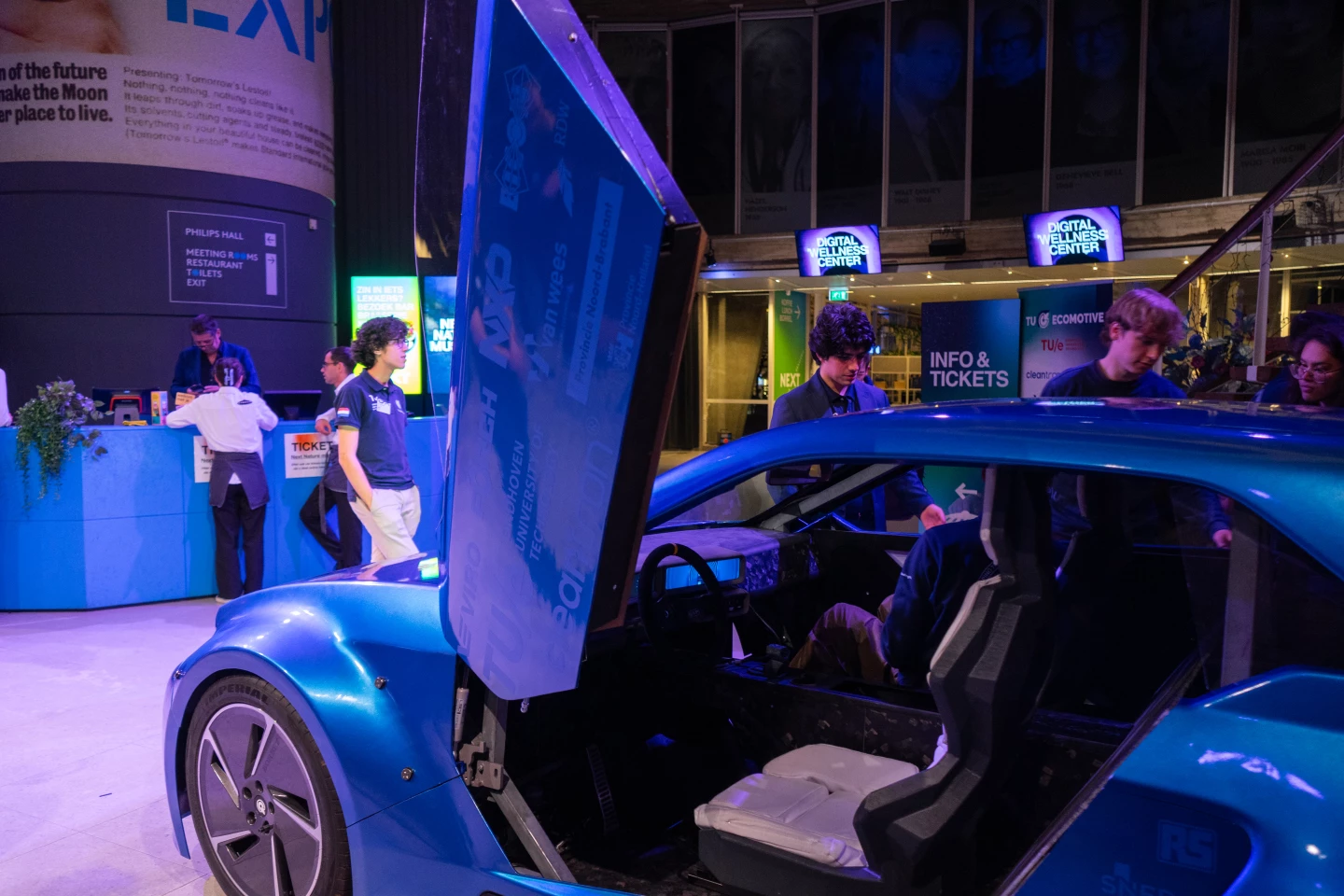
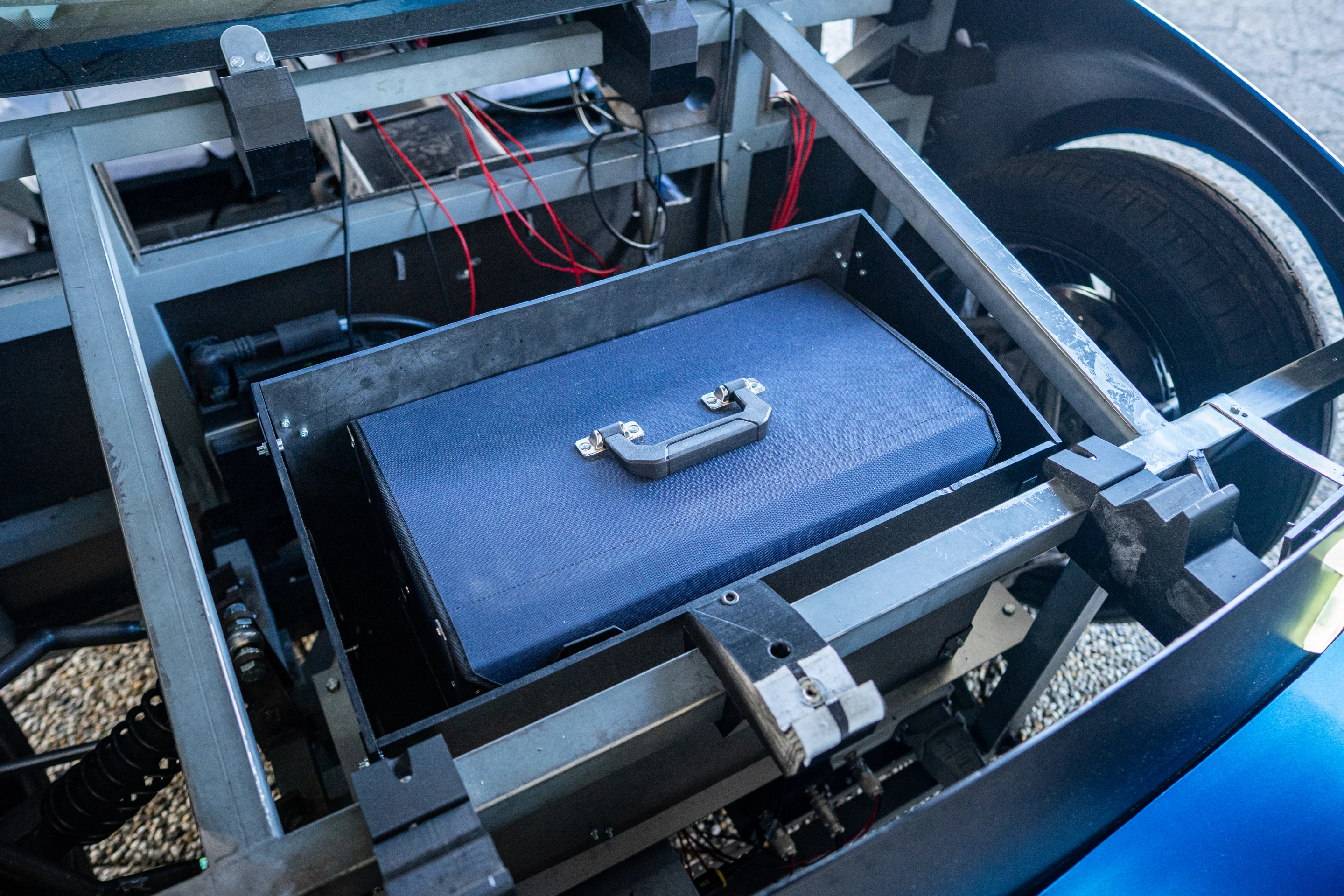
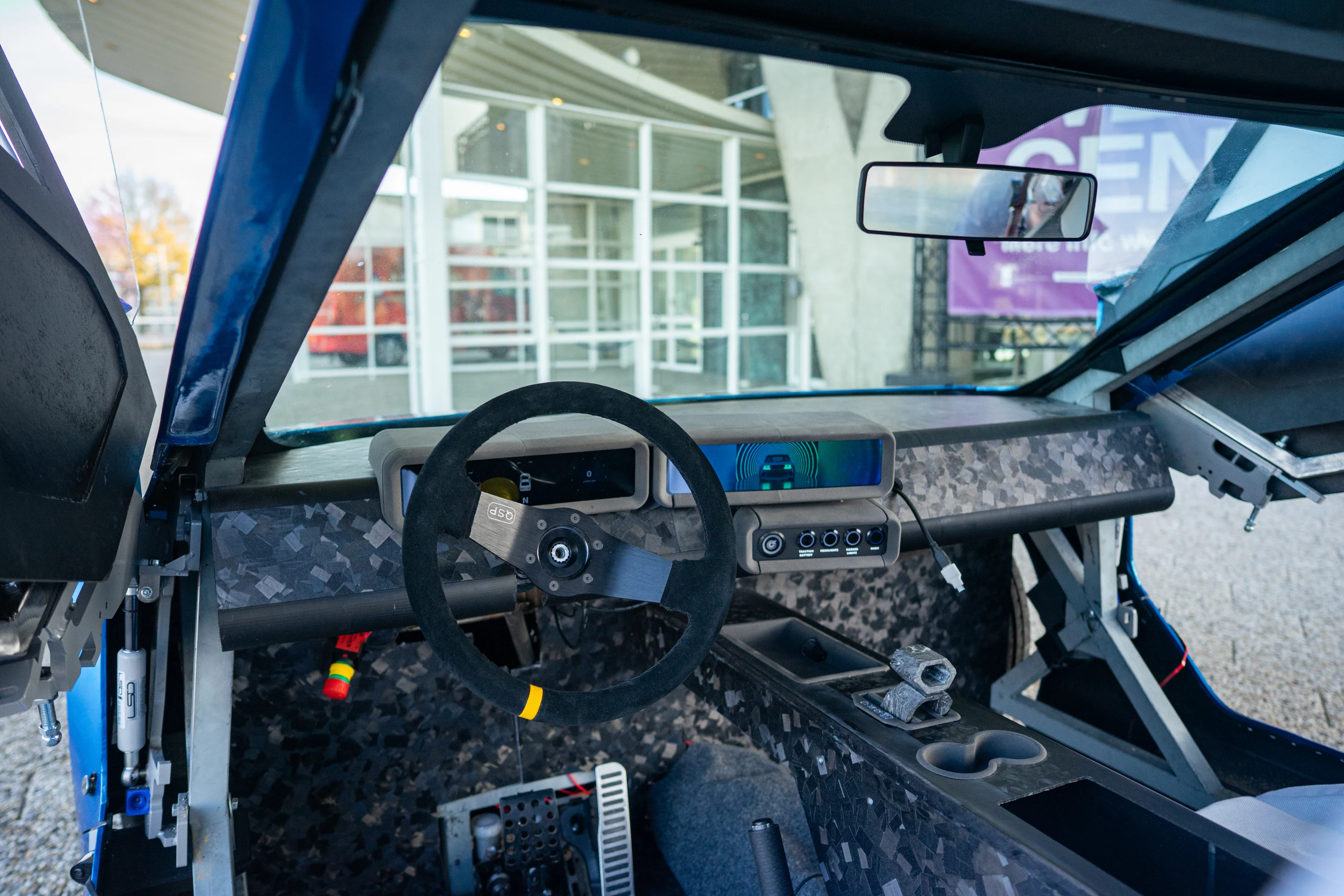
Now, continuing the drive for more sustainable transportation, this year's students have unveiled a vehicle that features an innovative modular design where its components are easily swappable. When the batteries, body panels, or electronics fail or need maintenance, owners can replace them by using the included tools and following instructions from a diagnostic app that connects to the car's dashboard. No dealership visit required. This philosophy, according to the ecomotive team, dramatically reduces repair costs and extends the vehicle's usable lifespan.
The ARIA prototype reaches a maximum speed of 56 mph (90 km/h) and has a range of 137 miles (220 km). The vehicle is powered by six independent and interchangeable battery modules that deliver a combined 12.96 kWh of energy capacity.
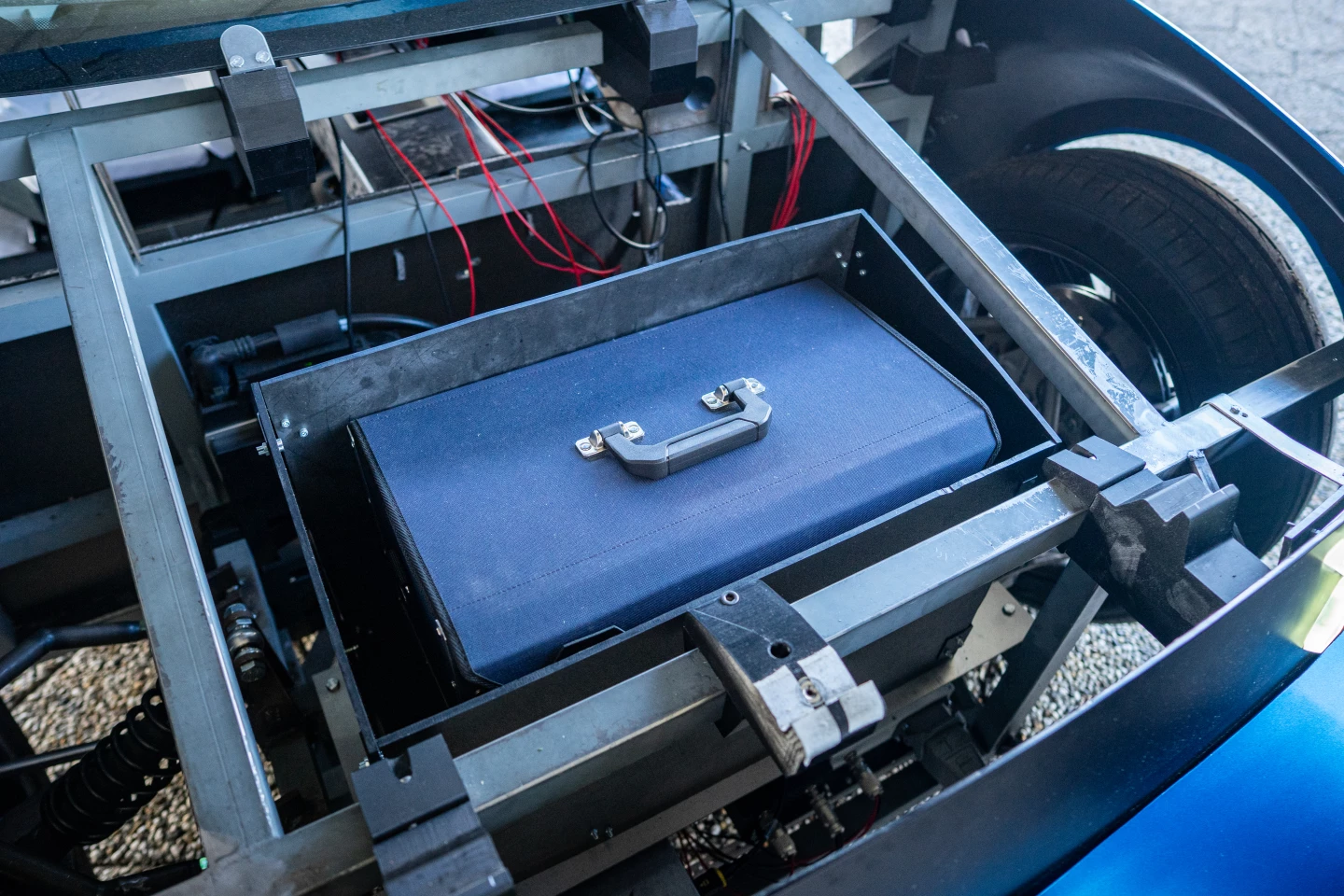
The modular design allows users to swap a single degraded battery without replacing the entire pack. This approach departs sharply from the single, monolithic battery packs that traditional automakers use. Those packs are heavier (though typically more powerful) and must be entirely replaced if they fail. With too few mechanics trained in electric drivetrains and battery systems, repairs can drag on for weeks and could clock up thousands of dollars in charges, a costly repair that may force many owners to discard otherwise functional vehicles.
The vision here is clear, but ARIA remains a prototype and its creators have no plans to commercialize it, so its long-term performance under actual driving conditions is still unknown. Also, the jury is still out on whether the modular design will indeed prove to be as repair-friendly as the team claims after hundreds of hours on the road, or whether splitting the car into smaller modules creates maintenance challenges that traditional designs avoid.

This prototype is not the only attempt to create a modular car. The XBUS, developed by the German startup ElectricBrands, imagined Lego-like body swaps, allowing owners to transform from camper to pickup truck themselves. But funding shortfalls have stalled its timeline. The Kia PV5 has proven more commercially viable, with pre-orders opening this year. It uses proprietary electromagnetic 'Easy Swap' technology to reconfigure between taxi and cargo van modes, though it targets commercial fleets with dedicated infrastructure rather than regular drivers.
ARIA's modularity pursues a different vision, not vehicle transformation, but consumer empowerment through repair. The team aims to demonstrate that cars can embody the principles of the 'Right to Repair' movement, an initiative backed by the European Union that advocates for products built to last, designed for repair rather than replacement. This philosophy stands as a counterweight to the throwaway consumer culture that has dominated electronics and appliances for decades.
"Right to Repair is about giving control back to the user," says Taco Olmer, team manager at ecomotive. "That's exactly what we are doing. New European rules are a step forward, but they mainly focus on household appliances and consumer electronics.
"Electric vehicles still fall through the cracks. With ARIA, we show what's possible and hope to encourage the EU to apply those rules to passenger cars. At the same time, we want to demonstrate to the automotive industry that sustainable and practical design is genuinely achievable. If we can build this within a year, there are clear opportunities for the industry."