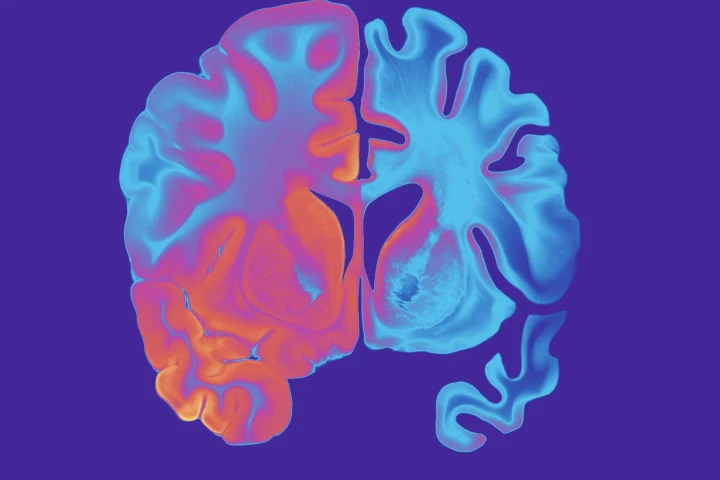
Dementia is typically considered a disease of the elderly. Older brains are more likely to fail under protein buildup or reduced blood flow.
While cognitive decline is far more common among individuals over 65 years, some genetic mutations cause the same characteristic loss of memory and mental processing in children.
According to a recent investigation by Australian researchers, drugs to slow the loss of neurological function in young patients may have already been approved to treat other diseases. Without needing to establish safety or efficacy, researchers can skip ahead to trials testing their broader potential.
Unlike many conditions catalogued under the umbrella term of dementia, childhood dementias are often caused by mutations in a single gene that happen to trigger similar mechanisms responsible for adult-onset neurodegeneration.
That relatively simple process means researchers could use similarly mutated stem cells to search for clues on the condition’s unfolding.
“Almost all childhood dementias have a clear genetic cause, and gene therapies will remain essential to cure the disease,” says senior author Cedric Bardy, a neurologist at the South Australian Health and Medical Research Institute.
“However, identifying therapeutics that can manage daily symptoms and slow irreversible brain damage in children until a cure is discovered is urgently needed.”
Sanfilippo syndrome is the most prevalent form of childhood dementia. Caused by a defective gene for an enzyme that breaks down the carbohydrate heparan sulfate, it is characterized by a buildup of toxic material in tissues, including brain cells. Prognoses vary, but few with the condition survive beyond their teenage years.
Bardy and his team engineered neurons from skin cells donated from children diagnosed with the syndrome, recreating the accumulation of heparan sulfate, as well as the resulting inflammation and cell death.
This laboratory version of the disease was used to screen dozens of existing drugs for signs of impact. A mix of machine learning processes, imaging techniques, single-cell transcription analyses, and a measure of the cells’ electrical properties sifted out at least nine compounds that showed some promise.
Different medications seemed to have different effects on the cells. Some reduced accumulations of toxic carbohydrates. Others extended their lifespan, potentially reducing degeneration and extending the lives of patients, or improved communication between cells in ways that could restore cognition. A combination of the drugs could provide long-term benefits to children recently diagnosed with Sanfilippo syndrome.
Some, such as the gout-treatment drug probenecid and the pain medication ketorolac, have existing approval through the FDA for other conditions. Others, like acetyl-D-leucine, have similar forms that have approval.
Having a bank of clinical research at the ready means the list of treatments can be shortened, saving time and allowing future research to focus on what is most likely to be safe and effective.
“By combining human brain cell models with machine learning, we can quickly identify therapies that shift diseased cells toward a healthier state,” says Bardy.
“Our findings give us confidence that we can make a meaningful difference in the lives of children affected by these devastating disorders and turn those discoveries into treatments that can improve lives.”
The same evaluation process may hold promise for other forms of childhood dementia that arise from single-gene mutations.
As populations age around the world, the number of people with vascular dementia and Alzheimer’s disease is expected to rise. A significant amount of research is focused on early diagnosis and therapies for late-onset neurodegeneration.
Yet as rare as childhood dementia might be, its impact on families is no less devastating. Having proven methods for accelerating the process of finding new treatments is a much-needed boost to an important field of medical research.
This research was published in the journal Nature.
Source: Scimex