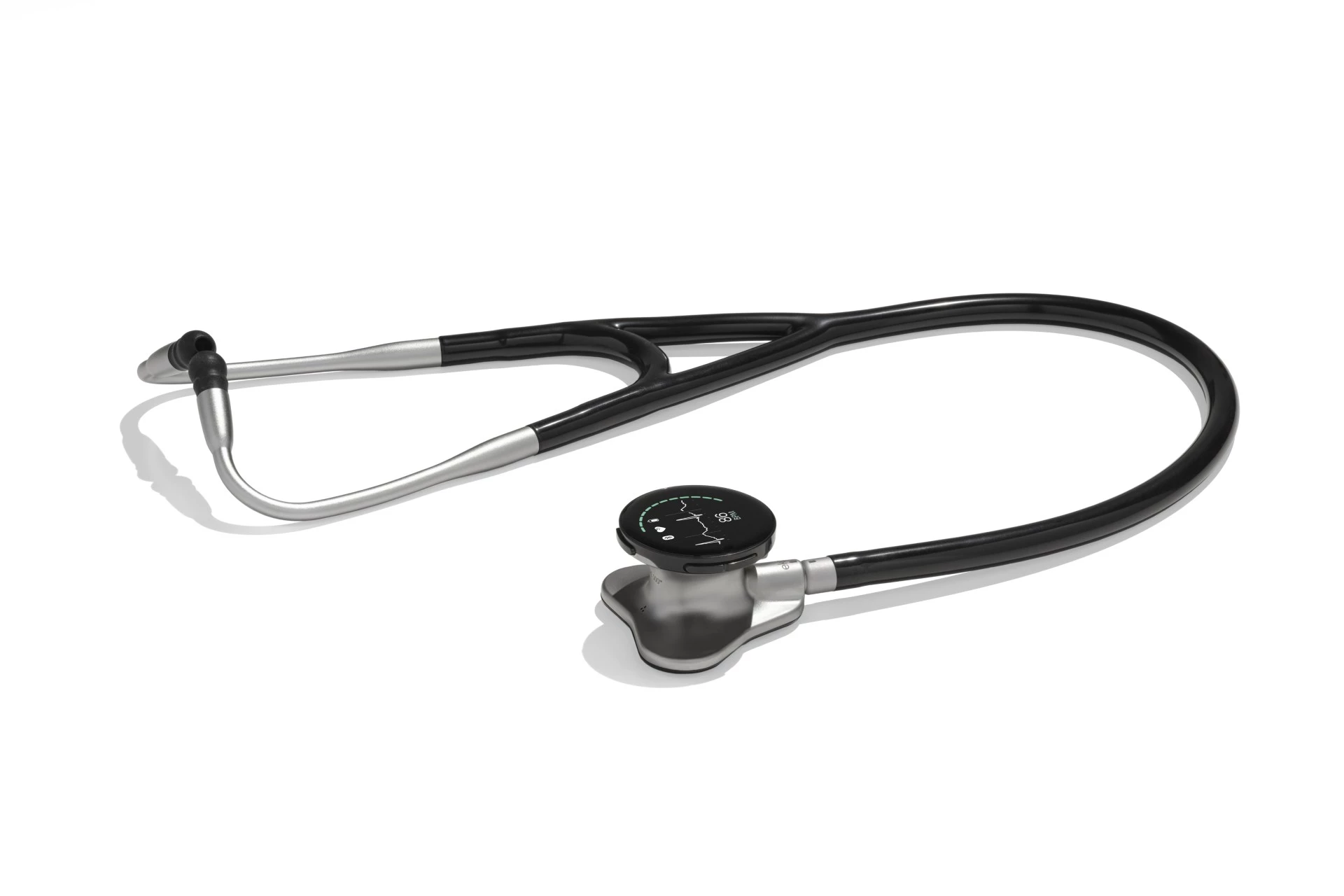

While AI certainly has its issues – such as rotting your brain and making you stupid – there is little doubt that it excels in medical diagnostics. The technology repeatedly proves itself when it comes to looking at – and into – the human body and predicting disease risk. Some examples of AI's diagnostic prowess include looking at chest X-rays , staring deeply into our eyes to detect diseases, reading MRIs to spot fat around our hearts, and even examining our tongues to detect conditions including asthma and anemia. Now, apparently, it can improve upon the humble stethoscope as well, according to a new study in the journal, Digital Health.
The study details the work of researchers based at various institutions across the United States who linked AI to a stethoscope to see how much of an improvement it could provide. To test the device, they assembled a group of 357 patients over the age of 50, all of whom had risk factors for heart disease including hypertension, diabetes, a body mass index above 30, or previous cardiac events.
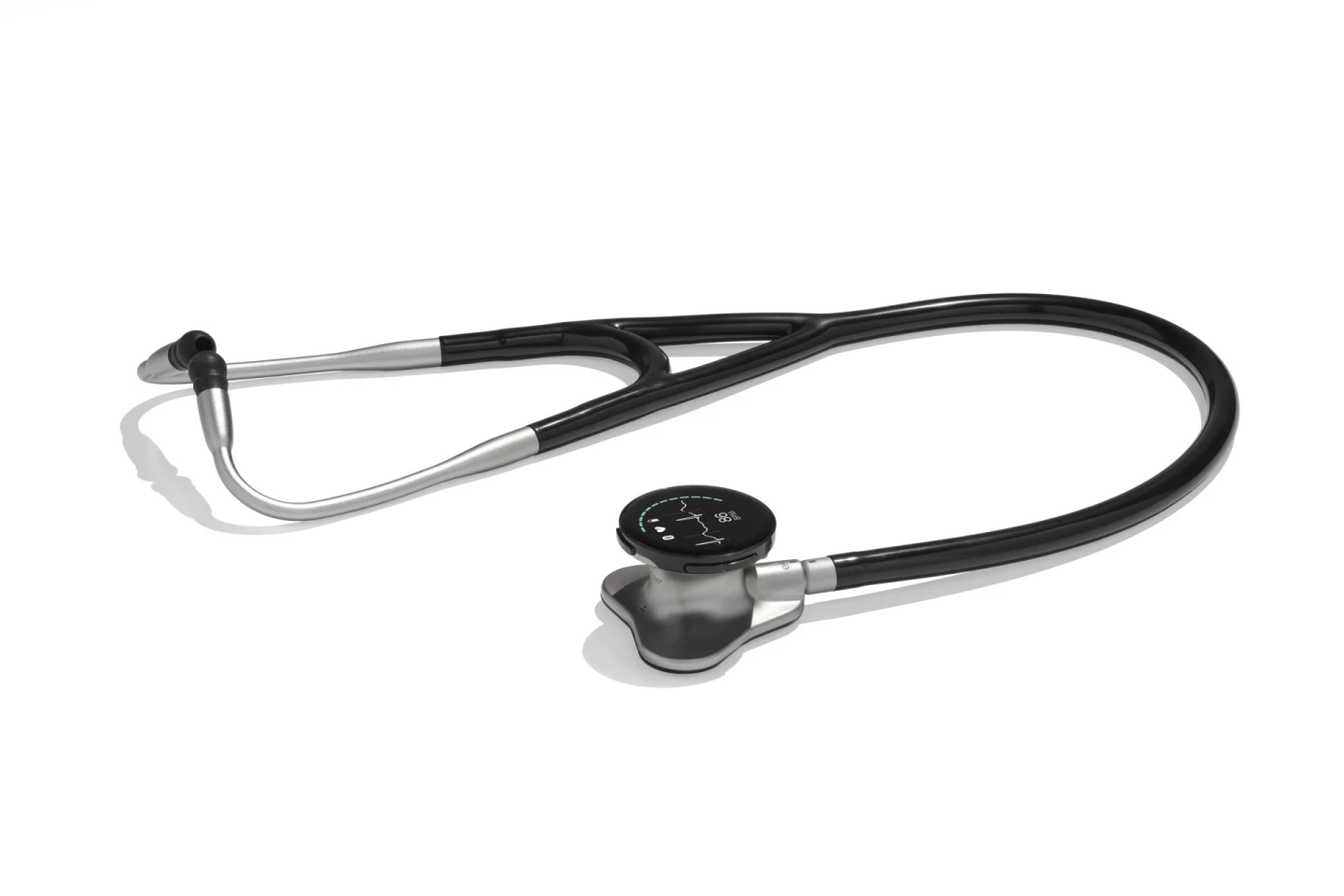
First, the patients each received a standard cardiac exam from their primary care provider using a normal stethoscope. Then, they were examined with a digital smart stethoscope that recorded the sounds of their heart. Those sounds were then analyzed by an AI system.
Next, to determine who really had heart disease, the patients underwent an echocardiography test.
Matching both stethoscope exams with the test data, the findings showed that the AI-assisted stethoscope was able to pick up on heart sound patterns that indicate moderate-to-severe valvular heart disease with a 92.3% sensitivity while the normal stethoscope exam only had a sensitivity rate of 46.2%.
Valvular heart disease, in which one more of the heart's valves don't function properly, can make the heart work harder and, over time, lead to conditions like chest pain, fatigue, and shortness of breath. In more extreme cases it can lead to more serious outcomes like heart failure, arrhythmias, and even death.
“Valvular heart disease is unfortunately very common among older adults, yet it often goes undetected until symptoms become advanced," said senior study author Rosalie McDonough, from Eko Health, the company behind the stethoscope's development. "This means that patients can experience complications and worsening health which could have been prevented with earlier diagnosis. We have shown that an AI-enabled stethoscope is much better at spotting which patients have moderate to severe valvular disease than a traditional stethoscope in real-world clinical settings.”
It's important to note that this test only evaluated valvular heart disease that produces an audible sound. There are many instances of the condition that make no sound at all. In these cases stethoscopes of any kind aren't much help as they can't hear what's not there; more detailed testing is required to diagnose them.
That being said, the researchers believe the audible component of the test had a surprise benefit, as patients were able to listen in to the recordings of their hearts during the AI-assisted exams.
“An additional benefit we observed during the study was that patients assessed with the AI-enabled digital stethoscope seemed more engaged during their appointment," said McDonough. "We think this was because they could see and hear what the clinician was responding to – which may increase trust and engagement with follow-up treatment.”
The researchers also point out that while the AI-boosted stethoscope did much better at finding valvular heart disease, there was a slight uptick in false positives. This is a result, they believe, that is counterbalanced by the improvement in detection. The team also says that more research is needed to test the technology in a broader population and across multiple clinical settings.
Source: European Society of Cardiology