
EEG
-
 Neurable One hides 12 EEG sensors inside premium ANC headphones to track focus and fatigue, turning brain activity into real-time biofeedback while still working as an everyday pair of wireless headphones.
 -
 For all its intelligence, instructing AI can feel like talking to a toddler. You explain the task, but the AI does a different thing. Scientists have now developed a system that detects that “that's not what I meant” response right from your brain.
 -
 If you find it hard to focus or stay present in the moment, you can now buy a device that tells you just how often your mind drifts elsewhere. That's the thinking behind the first wearable from a wellness startup called Atlas.
 -
 Dictation tech has gotten way better over the last few years, thanks to sophisticated AI models. But an upcoming device can remove even more friction from the process of getting words onto your screen, by simply reading your thoughts.
 -
 Sleeping while wired up with an EEG cap would be hard enough here on Earth, but can you imagine trying to do so in the zero-gravity environment of outer space? It could be quite awkward, which is why an earbud has been designed to do the same job.
 -
 X-ray vision has long been a superpower, but soon mere mortals could see hidden objects with help from AI. A new “ghost imaging” system reads the brainwaves of a person looking at light scattered off a wall to identify an object around a corner.
 -
 The Kokoon Bluetooth headphones are deeply comfortable and deliver solid sound. However, the "sleep enhancing" bells and whistles are a little inconsistent for headphones priced at the luxury end of the market, so they're not for everyone.
 -
 How much better could drones be if you got rid of fiddly hand controllers and flew them with your mind? That's the question EEGSmart asks with this quad, which responds to brainwaves and head movements instead of thumbsticks. It's not perfect, but it gives a glimpse of a mind-controlled future.
 -
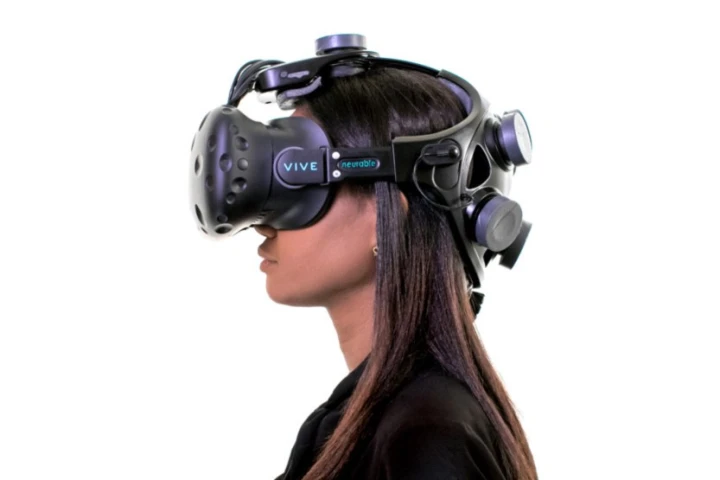 VR technology has been accelerating rapidly in recent years, but controllers have remained cumbersome and clunky. Startup Neurable has recently launched the first brain-controlled interface for VR allowing users to play games with the power of their mind.
 -
 As part of Netflix's annual Hack Day, where product development teams are set loose to innovate new, out-of-the-box ideas, a prototype has been developed that allows a user to control the Netflix interface with the power of their mind.
 -
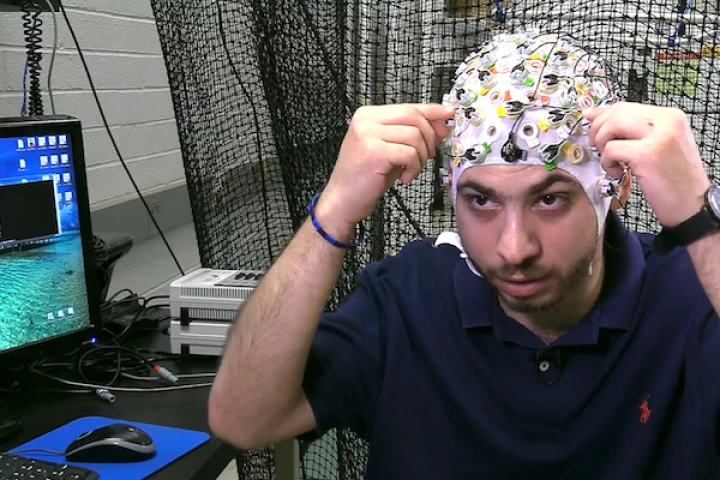 Past research has found ways to steer a drone just through the power of the mind. Now, researchers at Arizona State University have built on that with a system that allows a pilot to take control of a whole swarm of drones, both in the air and on the ground.
 -
 The recent launch of Rythm and the introduction of its Dreem device adds a new approach to combatting poor sleep, by detecting when a sleeper is in a deep sleep state and maintaining that state through the use of sound.
Load More