
EPFL
-
 If a robot is being used to gather data in sensitive aquatic environments, it shouldn't have a whirring propeller that could harm wildlife or get caught in weeds. A new bot addresses that issue by utilizing a swimming mechanism inspired by flatworms.
 -
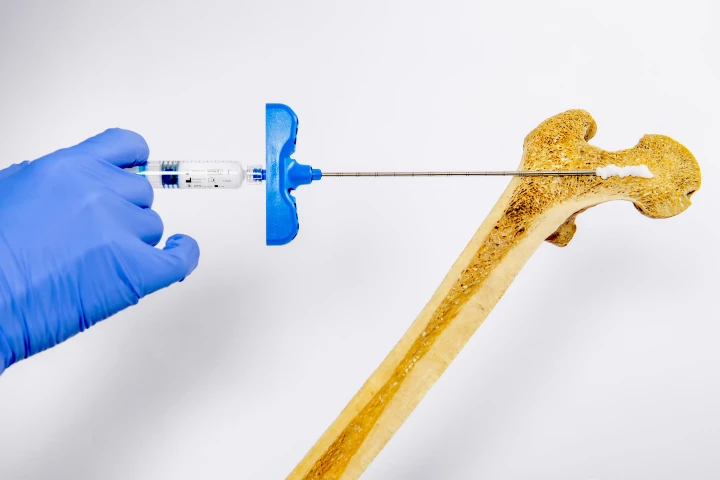 Osteoporosis is typically treated with orally administered drugs, which may take up to a year to have a noticeable effect. A new injectable hydrogel, however, is claimed to drastically boost bone density in as little as two weeks.
 -
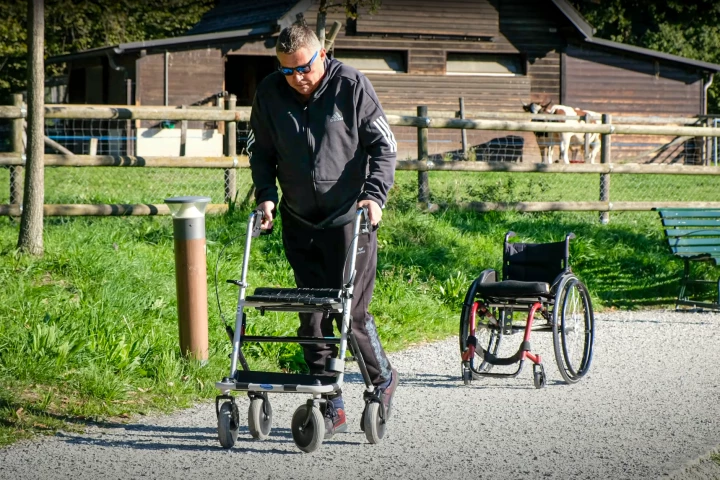 Two patients with spinal injuries have seen improvements in their ability to walk again, thanks to deep brain stimulation. Intriguingly, the therapy targets a region of the brain that normally isn’t associated with motor skills.
 -
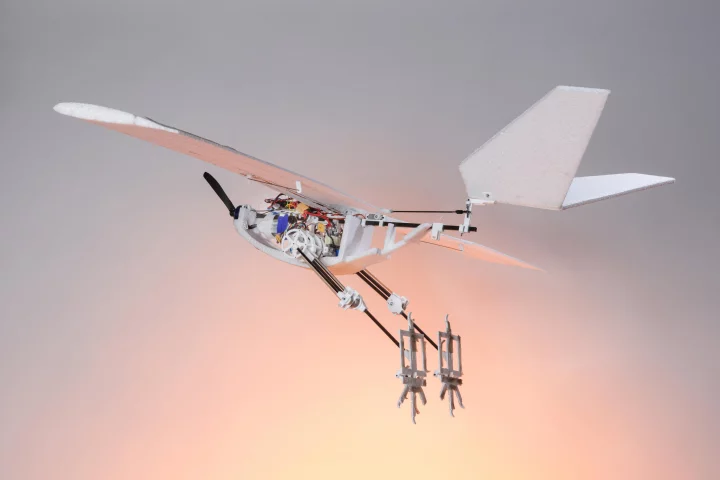 While autonomous flying robots have some intriguing potential applications, their usefulness is limited if they can't move across uneven terrain once they land. A new bio-inspired bot can do so, however, by mimicking the gait of the raven.
 -
 Meteorology may not seem like an eco-unfriendly field, but it does need to clean up its act in at least one way. A new high-tech glider could help it do so, by allowing single-use weather-balloon-carried devices to be reclaimed and reused.
 -
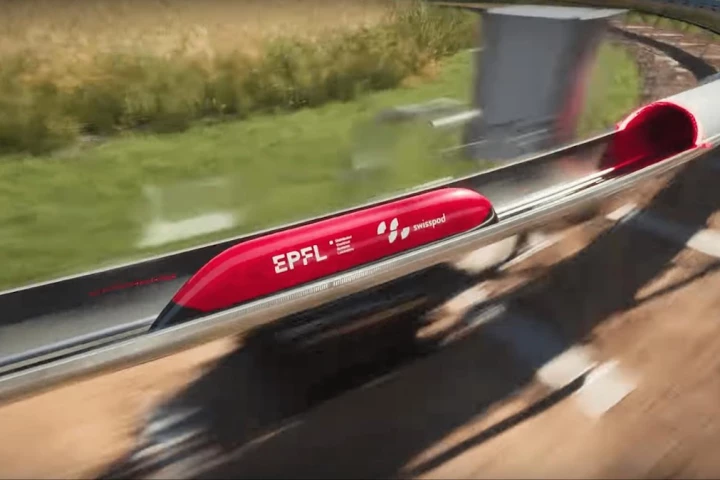 In what feels like news straight out of 2016, a Hyperloop testing facility in Europe has completed the longest-ever vacuum capsule journey. The milestone could bring this oft-forgotten promise of high-speed transport one step closer to reality.
 -
 Combining VR and non-invasive deep-brain electrical stimulation, has improved memory – the kind that remembers where you left the car keys - in healthy people. The approach has great potential as a surgery- and drug-free treatment for cognitive decline
 -
 The prospect of virtually unlimited clean geothermal power is substantially brighter. EPFL’s Laboratory of Experimental Rock Mechanics has shown that the semi-plastic, gooey rock at supercritical depths can still be fractured to let water through.
 -
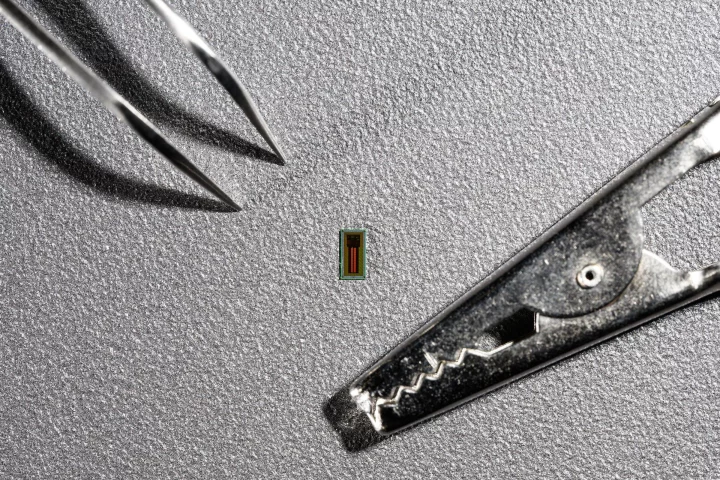 The brain-machine interface race is on. While Elon Musk's Neuralink has garnered most of the headlines in this field, a new small and thin chip out of Switzerland makes it look downright clunky by comparison. It also works impressively well.
 -
 Taking cues from geckos, EPFL researchers have developed an unmanned aerial vehicle with an upturned nose that crashes into vertical poles, and then wraps its wings around to perch. The PercHug could find use in inspection and surveillance tasks.
 -
 Scientists have already made edible robotic components. The next challenge is integrating them together to create an entire robot snack that could be used in a wide range of applications, from delivering healthcare to monitoring the environment.
 -
 GPT-4 is already better at changing people's minds than the average human is, according to new research. The gap widens the more it knows about us – and once it can see us in real time, AI seems likely to become an unprecedented persuasion machine.
Load More